The number of construction fatalities in 2010 was 751, down from 834 in 2009 and 1,239 in 2006.
Experts will clear up myths surrounding CSA –- the federal motor carrier safety system on which CVSA's upcoming annual conference is focused -– and help attendees cope with sleep apnea, gas detection challenges, slips and falls, and crane mishaps.

The Aug. 26 bulletin from the RAPEX rapid alert system said the drill’s casing can overheat and catch fire under heavy load, while the operation of the radio's distress button doesn't match ITU recommendations or the user manual.
OSHA cited Roma Construction after an inspection of the company's worksite in San Antonio found employees exposed to scaffolding hazards while applying stucco to the exterior of a home. Proposed penalties total $50,820.
The A10.7 standard is applicable to the storage, handling, and use of commercial explosives and blasting agents in the construction industry.
ABIH has approved the Aug. 31 event for 0.67 Industrial Hygiene Certification Maintenance (CM) points.
Justin Feldman and Taylor Lincoln of the organization's Congress Watch division cite five OSHA and MSHA rules as proving that safety and health regulations often cost less and yield more than opponents feared.
The renovation of about 89,000 square feet of laboratories, offices, and support space will include more efficient energy controls, HEPA filters for nano research, and a new fire sprinkler system. Construction should begin by Oct. 1.
Three of the fatality reports posted on the new page concern the deaths of crane riggers. One of the live presentations in the OH&S Aug. 31 virtual event will discuss common errors that lead to such accidents.
The app, available in English and Spanish, combines heat index data from the U.S. National Oceanic and Atmospheric Administration with the user’s location to determine necessary protective measures.
As OSHA inspectors were traveling to an inspection near Auburn they passed an open excavation where workers were not being protected from cave-ins. The OSHA officials stopped and opened an inspection at the NPL Construction site, and requested that the workers be removed from the trench.
The violations involve failing to instruct workers in the recognition and avoidance of unsafe conditions, ensure the use of personal protective equipment, and protect workers from electrical shock.
The temporary restoration of FAA jobs isn't part of July's welcome gain of 8,000 jobs, but the Associated General Contractors of America warns that workers leaving the industry are going to constrain growth.
Stockbridge, Ga.-based Creative Multicare Inc. was issued five serious, two willful, and one other-than-serious violation following the death of a worker who was exposed to excessive amounts of methylene chloride while using the chemical to remove paint from a bathtub surface.
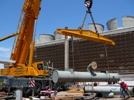
The employer must ensure that, prior to operating any equipment covered by the standard, the person is qualified or certified to operate the equipment.

Seeing modern tower cranes at work and scaffolding surrounding the soaring spires of Barcelona's Sagrada Familia, Antoni Gaudi's magnificent basilica, is a reminder of safety's worldwide importance and progress.
When the Bureau of Labor Statistics releases the 2010 Census of Fatal Occupational Injuries at 10 a.m. EDT, we'll know whether the economy continued to push the totals down for construction in particular.
Associated General Contractors of America said $2.5 billion in airport construction contracts are affected by Congress' failure to pass a reauthorization measure for the Federal Aviation Administration.
During an inspection opened on March 31, OSHA found Blue Heron employees working in an unprotected excavation greater than 5 feet in depth.
OSHA cited Don Wartko Construction Inc. with five willful safety violations for failing to protect workers from cave-ins during trenching operations at three separate worksites in Cleveland.