
Episode 52
In this episode, listeners will hear about a new partnership between EPA and OSHA, Virginia's new permanent COVID-19 workplace safety standards and when industrial workers will be able to get the coronavirus vaccine.

The National Association of Home Builders held its second worker stand down the week of Jan.. 10.
Episode 49
In this episode, Editor Sydny Shepard discusses anticipated changes safety professionals should look out for after the inauguration of President-Elect Joe Biden on January 20, 2021.
Episode 48
Editor Sydny Shepard discusses the a new FAQ set up for those who have questions about the expired FFCRA, OSHA's impended deadlines for your Form 300A and updates on the vaccination rollout in the U.S.
The Advisory Committee on Construction Safety and Health is in need of 14 new members.

Episode 46
In this Safety Speak mini episode of the podcast, Editor Sydny Shepard discusses ISO/PAS 45005: General guidelines for safe working during the COVID-19 pandemic, a new study on telecommuting and BLS data that shows workplace fatalities are at their highest since 2007.
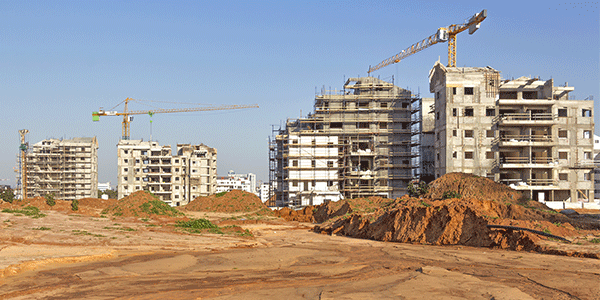
The death of a California construction worker in June resulted in around $54,000 in fines for two construction companies.
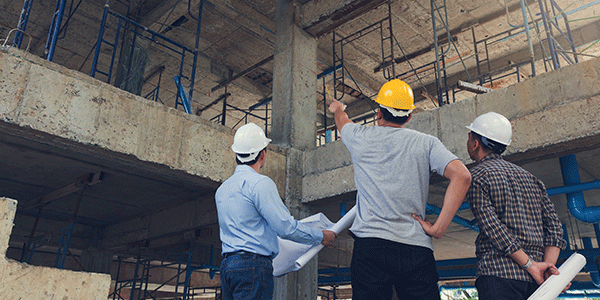
Ontario, Canada has had a steady increase in construction worker deaths in the past six years.
Episode 44
In this mini episode of the podcast, Editor Sydny Shepard discusses a newly revised construction standard for multi-employer sites and the FDA's approval of a new at-home test for COVID-19 and the flu.
Episode 43
In this episode of the podcast, listen in as Editor Sydny Shepard discusses Cal/OSHA's new emergency regulations to protect against COVID-19 as well as the CDC and FDA's plan on how a Coronavirus vaccine could be distributed in the United States.
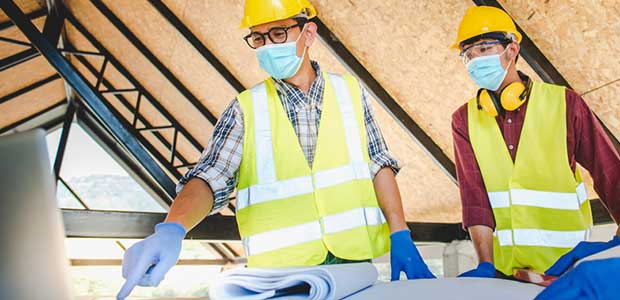
Assessing risk level and ensuring workers have proper PPE are key steps to maintaining construction worker safety during this time.

SPONSORED
Investing in machine learning, the internet of things (IoT), and artificial intelligence (AI) to improve operational excellence, provide better customer experience, and ultimately grow a company’s bottom line isn’t a new idea.
A Washington state construction company was fined $92,000 after failing to enforce fall protection use among employees.
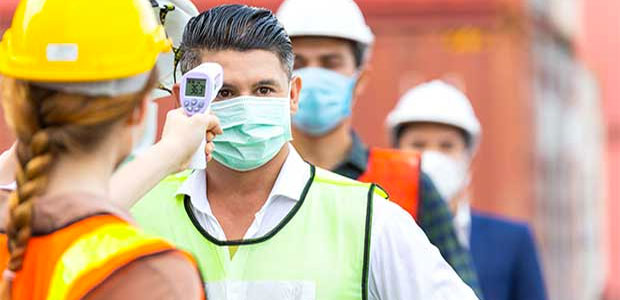
Construction workers are five times more likely than other professions to be hospitalized with COVID-19, says a study by the University of Texas at Austin.
A New Hampshire construction worker was injured on the job after being run over by a tractor.
New York City’s Local Law 196 helped set a significant drop in construction injuries into motion.
OSHA standards are primarily focused on worksite conditions, so such exposures should be identified and addressed before workers are exposed to them.
Episode 33
In this mini episode of the podcast, Editor Sydny Shepard reports the top 25 most dangerous jobs in America, the NFPA's new campaign for electrical safety and how OSHA has refined its COVID-19 recording requirements.
Despite declines in workplace injuries in recent years, the construction industry remains one of the most dangerous in America.
PPE has and will always be an absolute must for keeping workers in construction safe, but the pandemic is bringing new challenges to the industry every week.