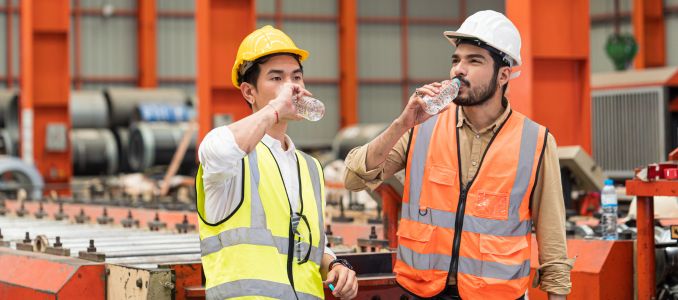
With construction workers facing 13 times higher risk of heat-related death, and a hotter-than-normal summer forecast for 2026, safety professionals must prioritize heat stress prevention. Learn to distinguish between heat stress and heat strain, identify early warning signs workers might hide, and implement practical strategies from hydration and acclimatization to shade structures and culture change that protect workers when temperatures rise.

Dynamic noise exposures, low-frequency sound, combined hazards, and compliance challenges are forcing organizations to rethink traditional hearing conservation programs and adopt more comprehensive protection strategies.
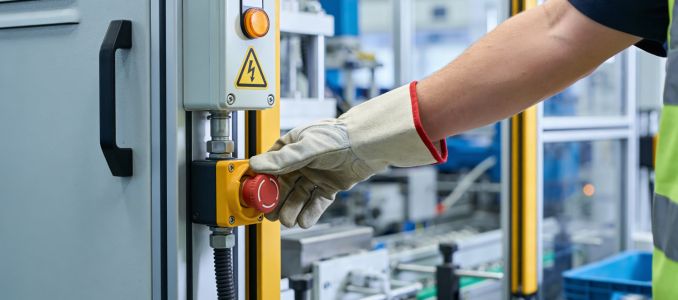
Standardized glove programs may simplify procurement, but they can increase injury risk, reduce worker compliance, and drive up long-term costs. Manufacturers are finding that task-specific hand protection delivers better safety and operational performance.
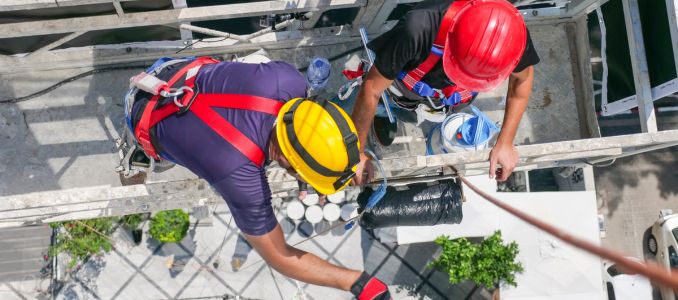
From retrofitting aging facilities to planning inspections and long-term compliance, engineered fall protection systems require careful design, site evaluation, and lifecycle management to protect workers at height.
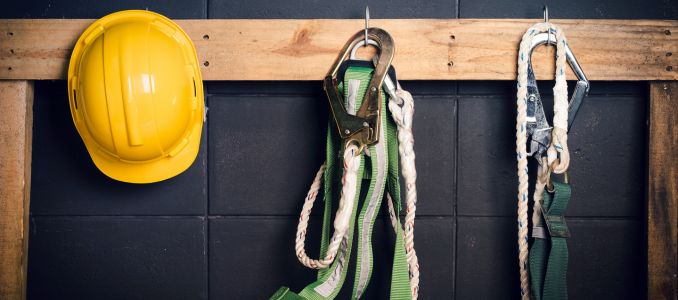
By combining AI, video analytics, and real-time environmental monitoring, predictive safety systems are giving EHS leaders new tools to identify fall risks before workers are exposed to danger.

Timely, transparent communication between clinicians, employers and claims teams is as critical as medical treatment in accelerating recovery and reducing workers' compensation costs.
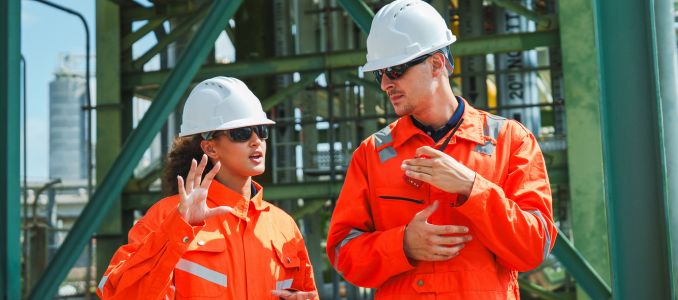
Real-world barriers such as heat, poor fit, and fatigue can undermine even the strongest PPE programs
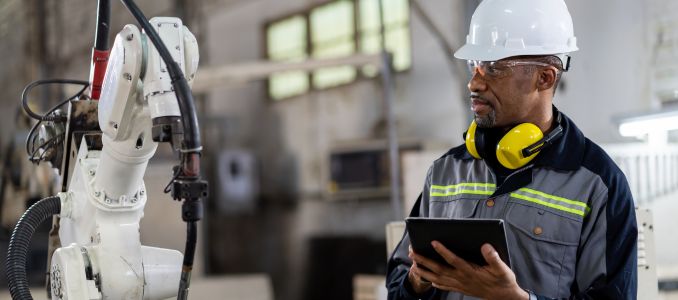
Combining predictive AI analytics with inspection history shifts equipment maintenance from reactive emergency repairs to planned, low-risk safety controls.
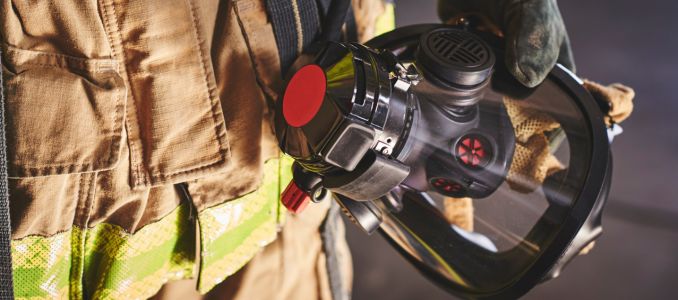
Privately employed and third-party contract industrial firefighters face identical carcinogen exposures as municipal crews, yet lack statutory cancer presumptions and federal death benefits.

Modern industrial sites overload operator attention, making smart AI computer vision essential to distinguish real pedestrian hazards from ambient workplace noise.
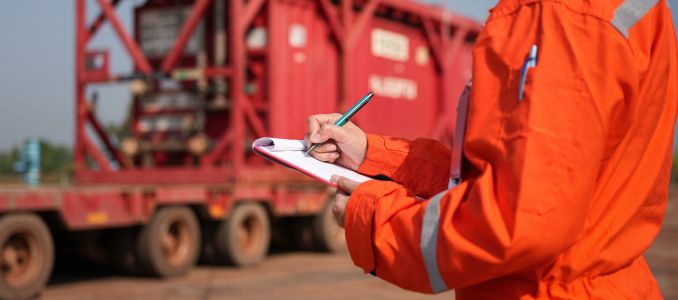
Over-relying on backward-looking compliance metrics like TRIR consumes critical bandwidth without addressing the root causes that drive serious workplace harm.
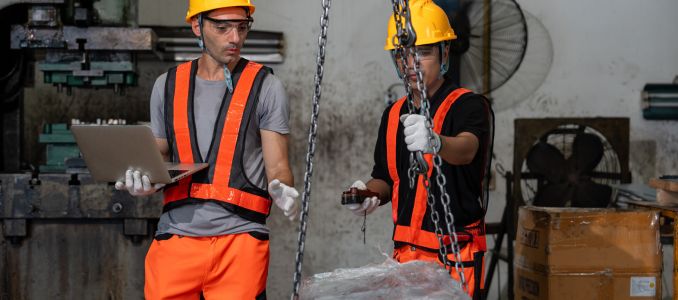
Safety briefings and workplace posters fail to prevent musculoskeletal injuries because passive learning lacks muscle memory; bridging the gap requires hands-on practice with immediate feedback.
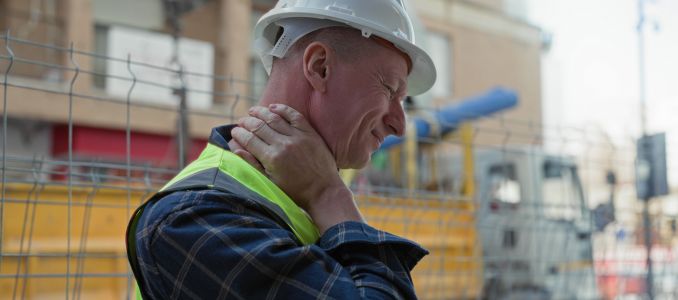
Revisiting Frank and Lillian Gilbreth’s motion study principles reveals that "therblig" micro-movements aren't just tools for industrial speed; they are the key to eliminating soft-tissue strains and cumulative biomechanical debt.
A roundup of new respiratory pumps, accredited PFAS testing, hazardous-area lighting, safe cutting tools and safety culture insights.
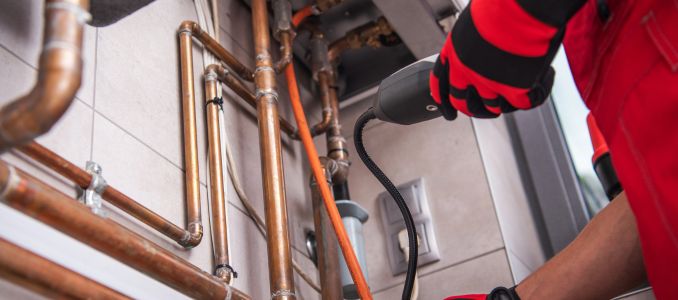
Sensor drift, chemical poisoning, and ambient changes degrade gas detectors over time, making routine bump testing and certified span calibration non-negotiable for atmospheric protection.
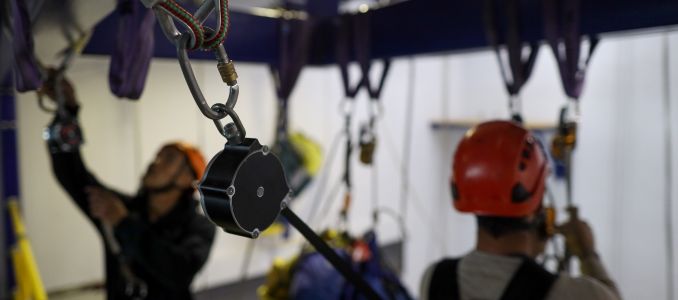
Personal protective equipment alone does not prevent height-related fatalities; combining standard hardware fundamentals with proactive behavioral planning creates a resilient site safety culture.
Rising climate volatility forces industrial safety leaders to shift from reactive compliance toward engineered resilience using specialized anti-slip surfaces, precision climate systems, and continuous environmental monitoring.