
The American Red Cross is asking Americans to give blood to make up for the blood drives cancelled by the storm affecting the East Coast.

The interim final regulations set procedures and timeframes for handling retaliation complaints under the act, including OSHA investigations.

The agency hopes to get the message out about chemical safety in the fertilizer industry.

The agency announced weekend work and closures will begin Feb. 14 and that PATH will be one of the country’s first rail transit systems to meet the December 2015 federal deadline for implementing the technology.

The ANSI/ISEA Z358.1-2009 standard is being revised, with a new version to be published this year. ISEA is recruiting reviewers for the process.

Due to several unsafe occurrences last year, NTSB has decided to hold a cruise ship safety forum March 25-26.

These are the three of the top issues likely to be on states’ legislative and regulatory agendas this year, according to AIHA government affairs Director Aaron Trippler's forecast.

The agency's standards for nuclear power operations date to 1977 and are the earliest radiation rules it has developed.

A CNN report indicates the high cost of travel, hotels, and food is limiting the number of Americans who travel to Sochi for these games. Those who go should be vaccinated and plan ahead for a safe trip, according to CDC.
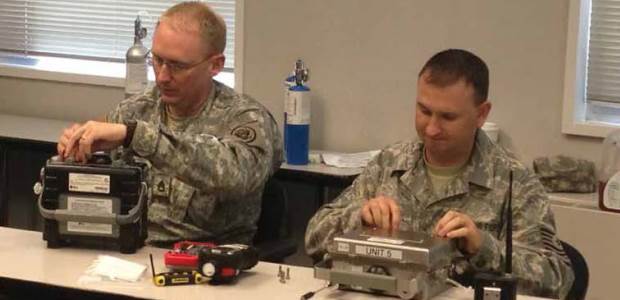
A detector that is properly calibrated and maintained provides an accurate reading and results in smoother operation and reduced downtime.

With a wireless connection, more eyes can monitor underground work and other potentially dangerous work situations.
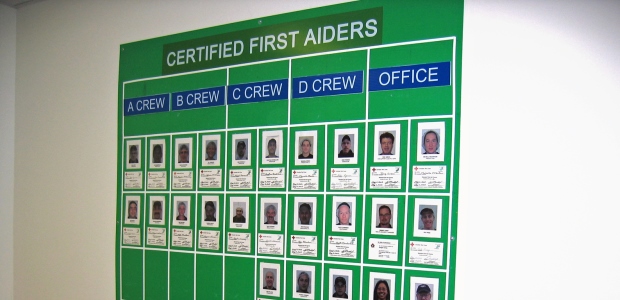
These 10 uses of visual management can improve the safety of your facility.
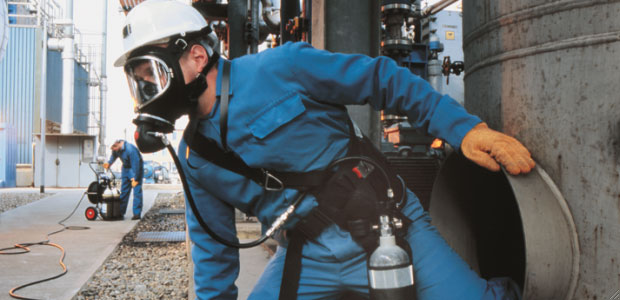
Understanding the potential health risks and correctly classifying the degrees of severity will aid in respirator selection.

The truth is employers still have the right to insist that employees be drug-free while at work.

We're still battling the #1 workplace injury.

Preparedness is only as effective as the science behind it, so it is essential that all education and products are based on the latest scientific findings regarding emergency medical care.

Employers should beware of the one-size-fits-all approach that has plagued the workforce for decades.