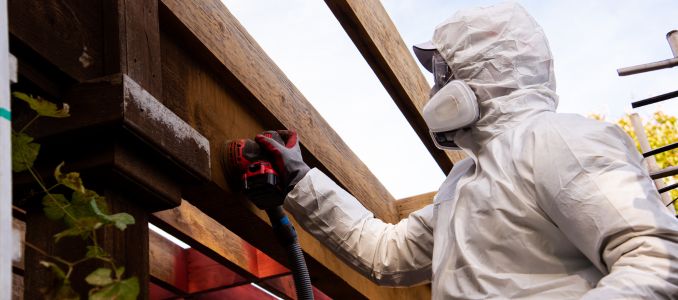
Proposed OSHA revisions seek to eliminate pre-use medical evaluations for N95s and loose-fitting PAPRs to streamline employer compliance.
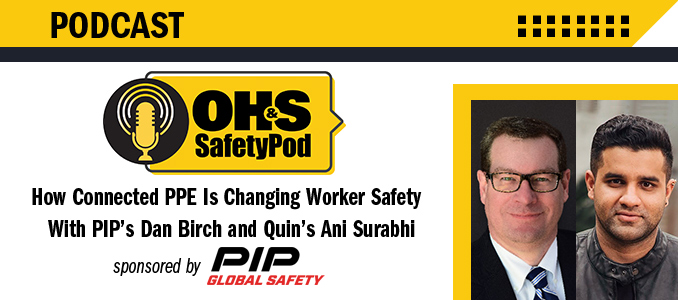
Two safety innovators discuss how connected technology is bringing real-time data, incident detection and new capabilities to PPE.
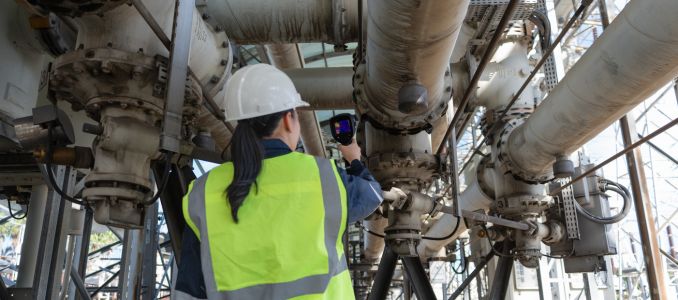
Deploying robust gas detection protects workers from invisible atmospheric hazards while maintaining operational uptime in high-stakes facilities.

Procurement decisions prioritizing office compliance over jobsite usability create a digital burden and undermine safety tech adoption.

Deploying IoT wearables and AI video analytics provides short-staffed EHS teams with continuous visibility, closing operational blind spots and stopping SIFs before they occur.
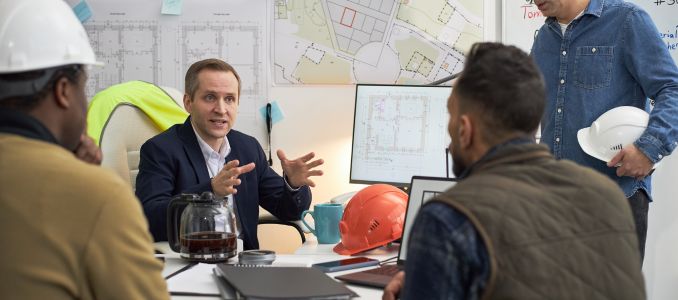
Serious Injury and Fatality (SIF) rates remain stubborn because critical warnings get filtered out long before reaching executive decision-makers.
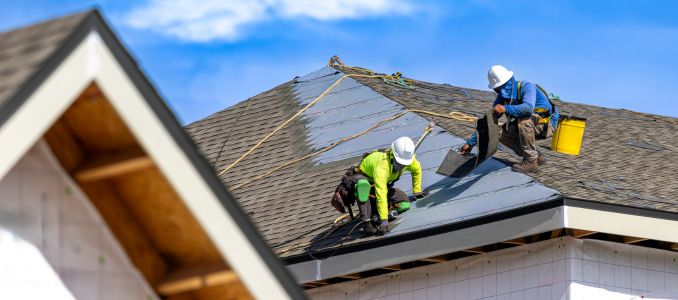
Compliance alone does not guarantee worker safety. A complete-system approach that integrates hazard assessment, engineering, equipment selection, training, rescue planning and documentation can help organizations close critical gaps and better protect workers at height.

Emergency plans depend on workers receiving timely, accurate information, yet communication gaps continue to undermine response efforts. New technologies are helping facilities deliver critical alerts faster, more clearly, and in multiple languages.
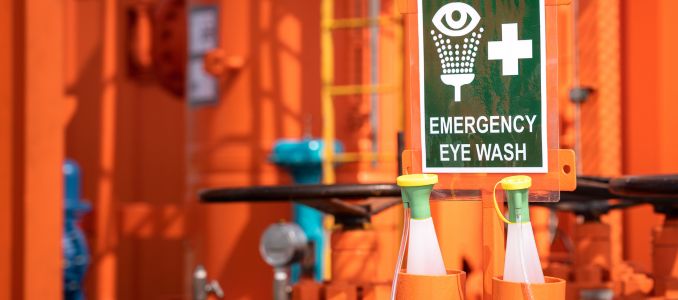
Experts warn that routine activation checks may confirm eyewash functionality without addressing hidden contamination risks inside low-use plumbing systems, spray heads, hoses, and internal components.
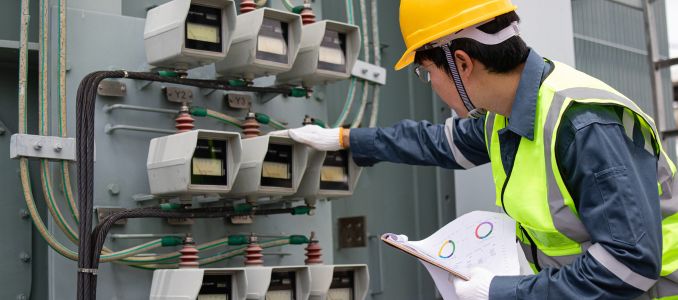
AI may improve hazard detection and injury prevention, but organizations that rely too heavily on automation could inadvertently weaken the human skills and organizational resilience needed to manage unexpected events.
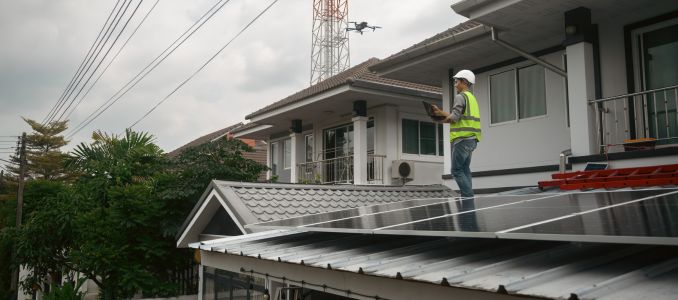
Safe access, protected openings, thoughtful traffic patterns, and risk-based hazard assessments can significantly reduce the dangers workers face while performing rooftop inspections and maintenance.
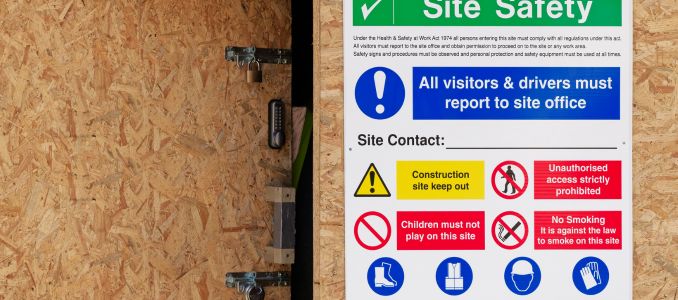
OSHA’s revised Hazard Communication Standard is entering its next major compliance phase. Now is the time to ensure employees can navigate updated hazard information.
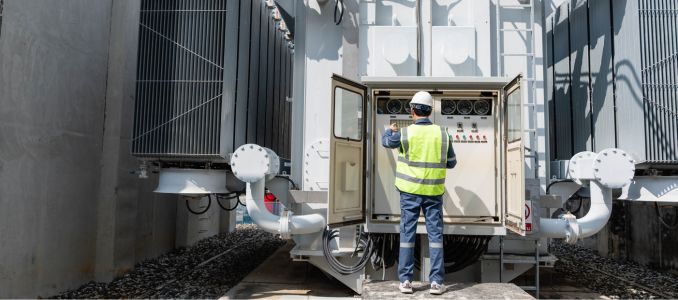
From arc flash risk assessments to preventive maintenance and worker training, facilities can reduce electrical hazards and improve reliability by treating electrical safety as an ongoing program, not a one-time project.
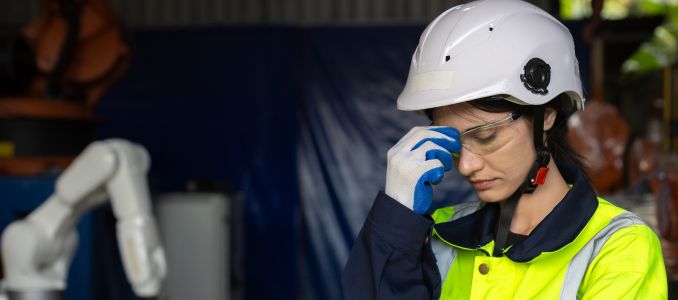
Construction Suicide Prevention Week highlights practical strategies safety leaders can use to address mental health risks, reduce stigma, improve access to care, and strengthen workforce resilience across jobsites.
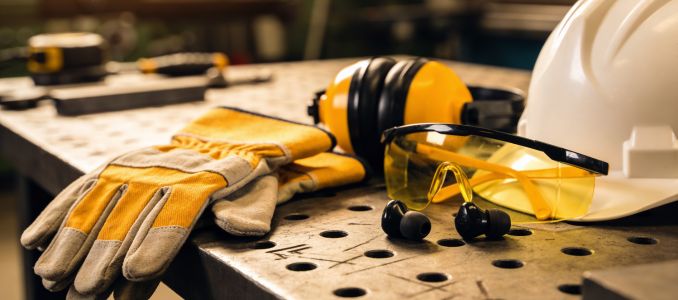
The revised ANSI/ISEA Z87.1-2025 standard aims to make eye and face protection easier to select, understand, and implement while reinforcing the role of hazard assessment in preventing workplace injuries.
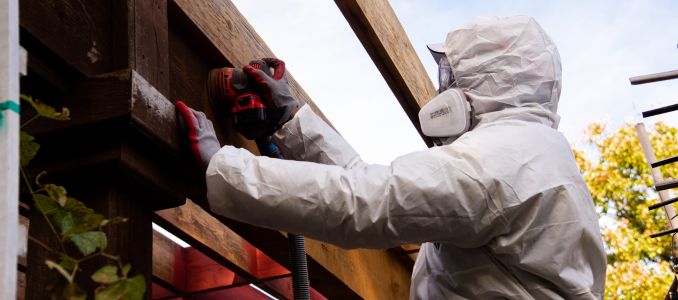
Water-based particle counters, digital connectivity and fit assurance tools are helping safety professionals streamline compliance, improve data management and strengthen respiratory protection programs year-round.
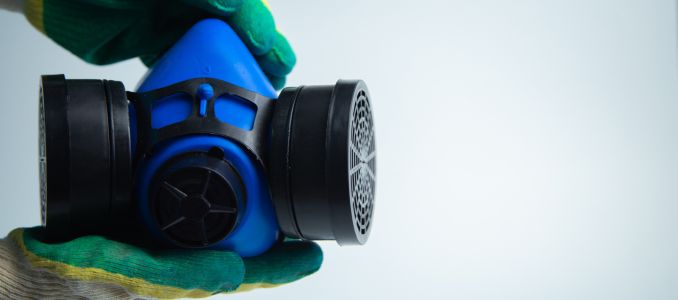
Passing an annual fit test does not guarantee year-round protection. Strong respiratory protection programs combine ongoing worker education, effective recordkeeping and continuous oversight to prevent chronic occupational disease.