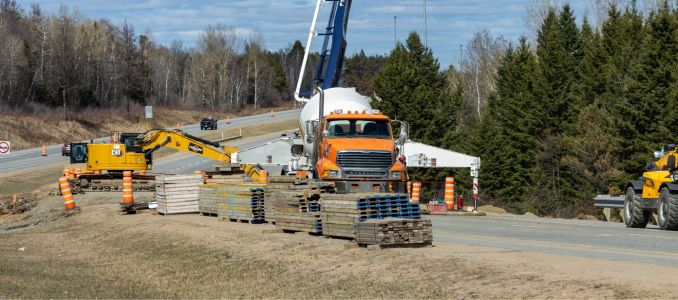
Active work zones remain highly dangerous as safety teams deploy drone imagery, digital navigation alerts and wearable PPE strobes to protect crews.
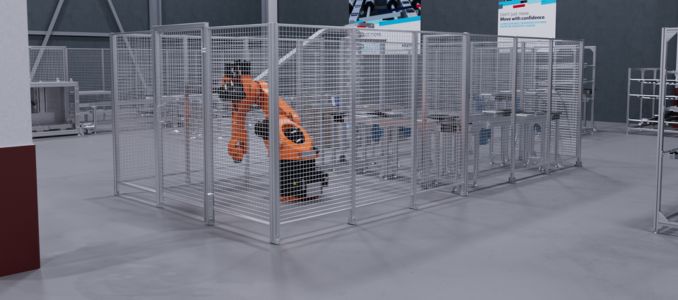
Aluminum framing adapts to the automation era as factory operators use layout software to protect human workers and flexible robotic cells.
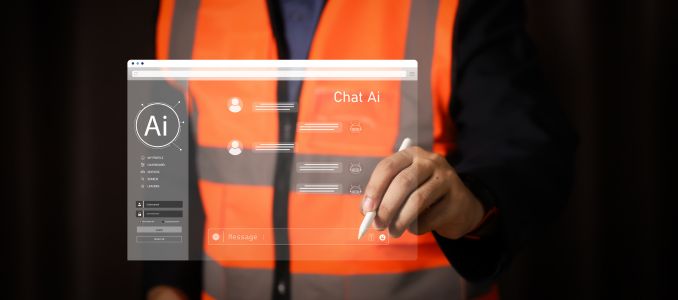
Beyond physical hazards, occupational health and safety must now address "cognitive surrender"—the hidden erosion of human judgment in the age of AI.
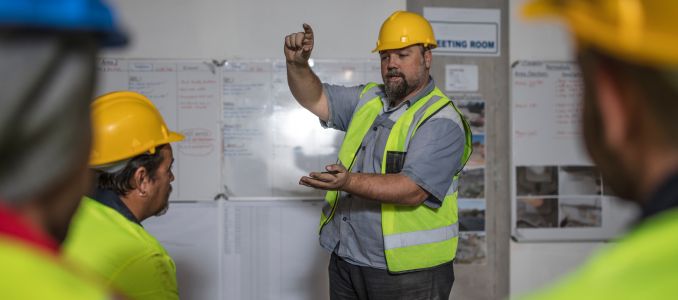
Explore why workplace safety perception often masks hidden risks and how organizations can bridge the knowledge gap before a system failure occurs.
CSA Group Fire Test Specialist Josh Dinaburg discusses lithium-ion battery fire risks, thermal runaway, evolving safety standards, and what workplace safety professionals need to know as battery storage systems become more common.

Stop treating safety as a lecture. Learn why conditioning new hires like elite athletes reduces injuries, cuts costs and boosts retention.

AI agents are now merging wearable sensor data with historical incident logs to automate root-cause analysis and transform reactive safety into proactive prevention.
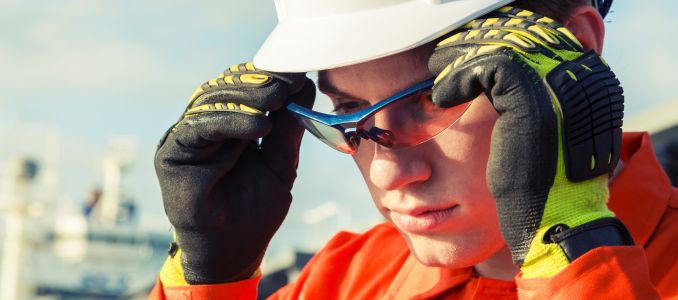
Traditional systems for ordering and tracking prescription safety glasses were designed for single sites and stable workforces. Modern organizations are shifting to centralized, lifecycle-based programs to maintain compliance and protect workers across multiple locations.
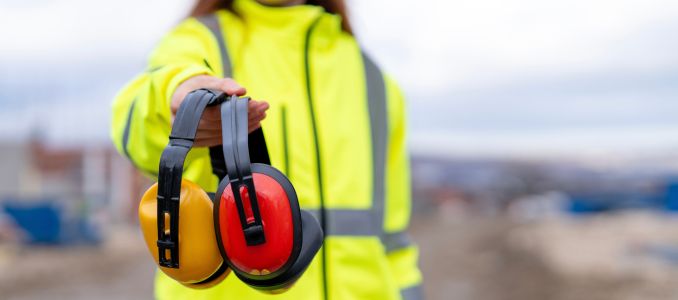
Advances in smart monitoring, wearable sensors and adaptive hearing protection are helping employers better measure noise exposure and strengthen workplace hearing conservation programs.
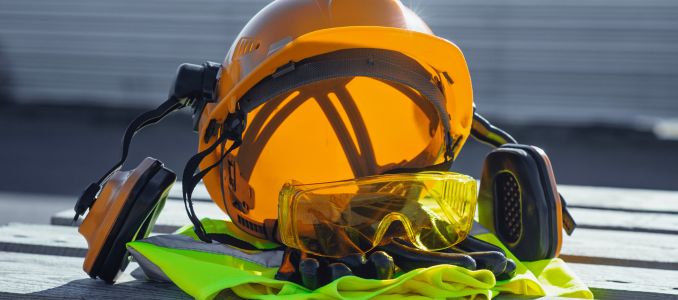
Many hearing conservation programs check the compliance box but still fall short in practice. An expert explains why.
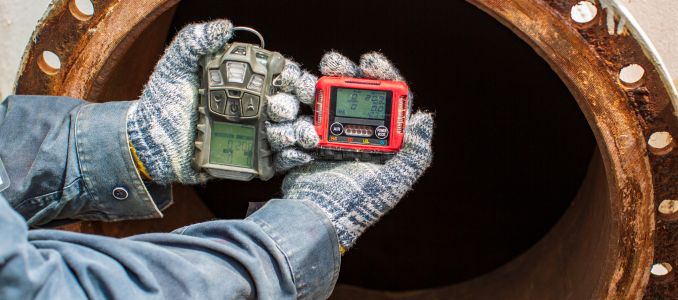
Pre-entry atmospheric testing is a critical first step in confined space safety, but it can create a false sense of security when conditions shift after workers enter.
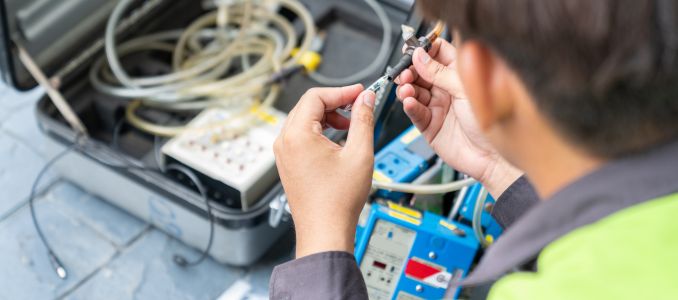
Selecting the right personal sampling pump and implementing a streamlined monitoring program can improve data accuracy, support compliance and strengthen efforts to protect workers from airborne hazards.
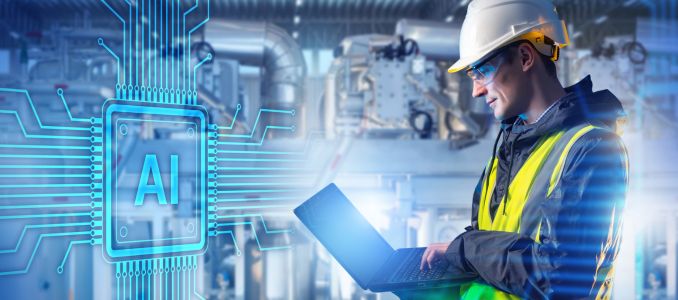
Computer vision and AI safety systems promise real-time hazard detection, but organizations must avoid common implementation pitfalls related to culture, worker trust, privacy and cross-functional collaboration.
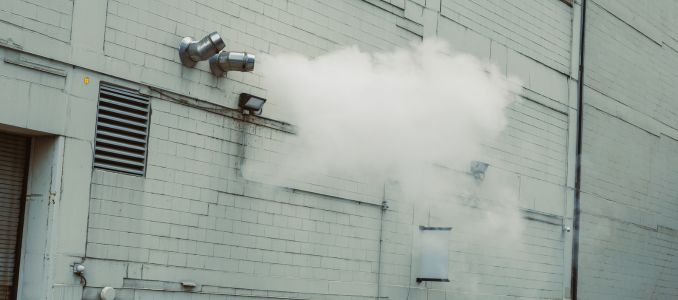
Emerging standards, wildfire smoke, and growing health concerns are pushing facility managers to reassess ventilation, filtration, monitoring and maintenance strategies to protect indoor air quality.

As battery energy storage expands, evolving standards and large-scale fire testing are helping ensure new systems are deployed safely.

Lone professional drivers face unique workplace risks. Research shows how safety culture, targeted training and safer communication practices can reduce crashes and improve driver safety outcomes.
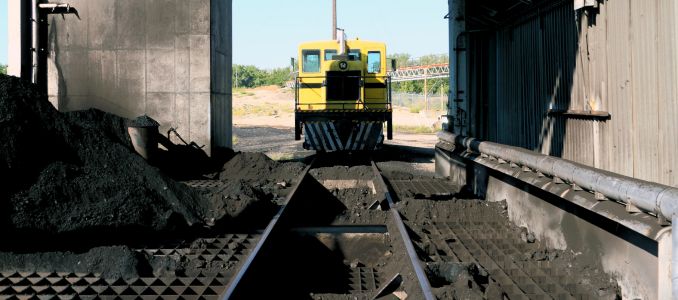
Combustible dust hazards develop when fuel, dispersion and ignition sources align. Understanding NFPA 660 requirements and implementing coordinated controls can help safety professionals prevent incidents and protect workers across dust-generating industries.