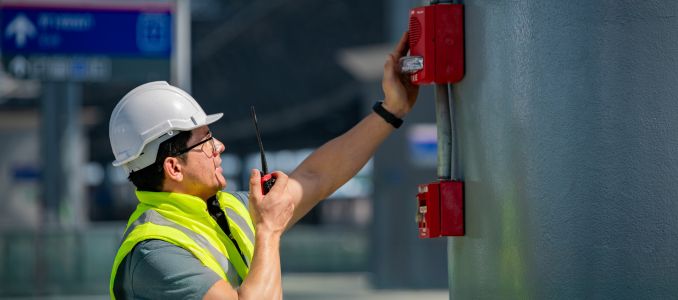
The industry is shifting from traditional fire watches to tech-driven monitoring to mitigate human error and protect high-value construction sites.
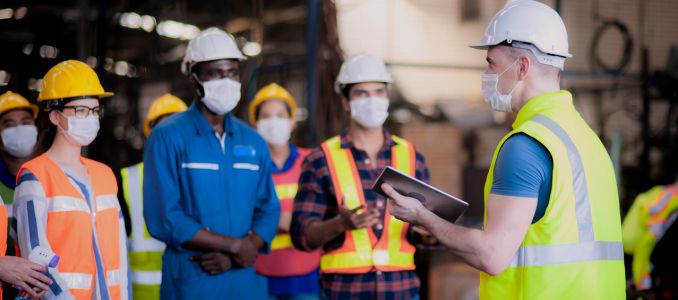
The strategic partnership aims to eliminate workplace hazards and train subcontractors during the 92,000-square-foot museum expansion.
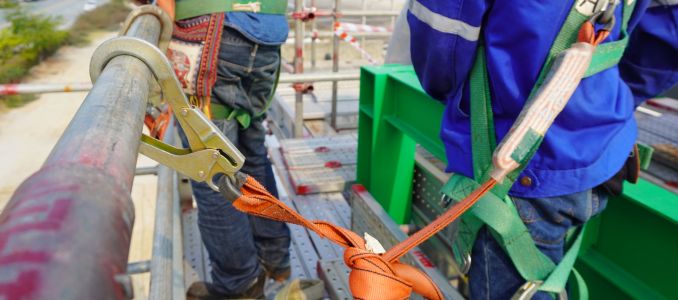
Employers are encouraged to pause work this May to focus on fall prevention training and workplace mental health resources.
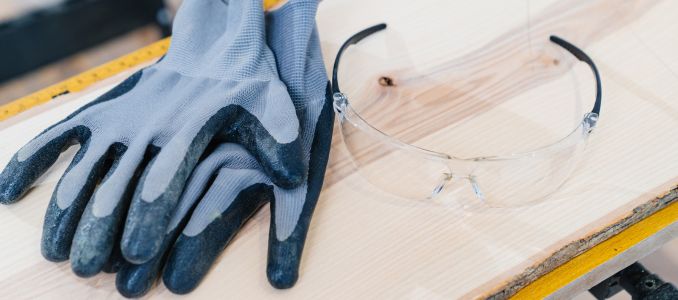
Industrial environments are becoming more unpredictable, making higher-cut protection a necessity for modern worker safety and compliance.
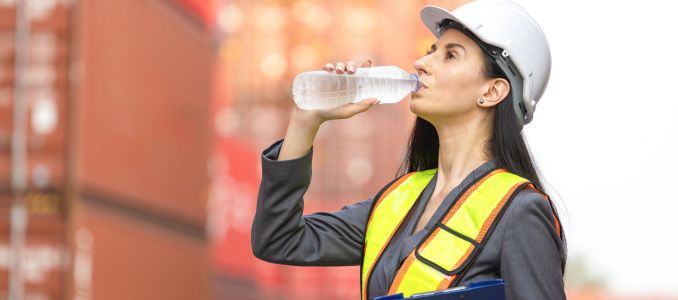
The Industrial Commission of Arizona approved task force recommendations to bolster employee protections ahead of the summer season.
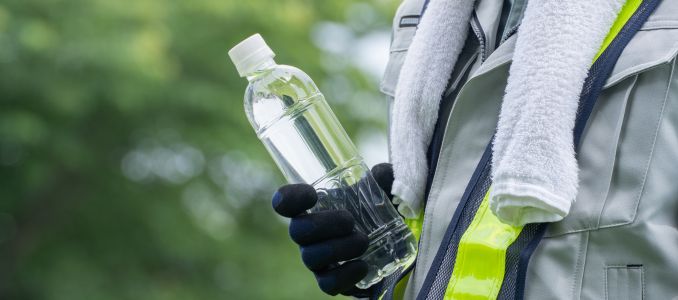
The agency updated its National Emphasis Program to better target high-risk industries using recent data on workplace heat illness.

The American Ladder Institute emphasizes that proper equipment inspection and climbing techniques remain vital throughout the entire year.
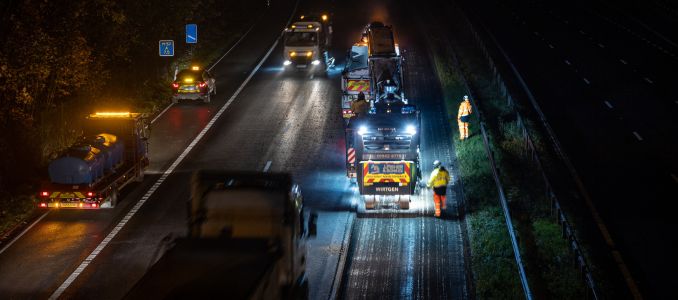
Connected sensors provide real-time collision alerts and asset data to help agencies reduce secondary crashes and streamline maintenance.
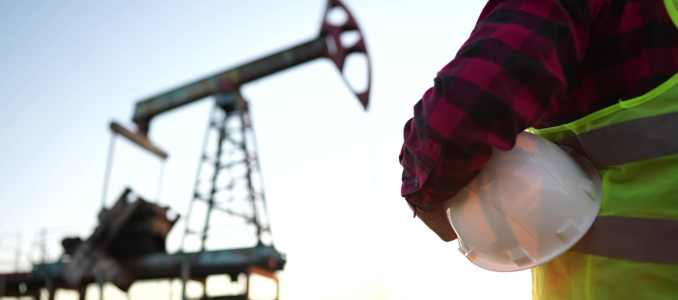
State safety officials will provide free training on new oil and gas regulations and hazard prevention strategies during a two-day workshop.

New data reveals a lack of safety awareness and low employer trust among employees entering the trades.