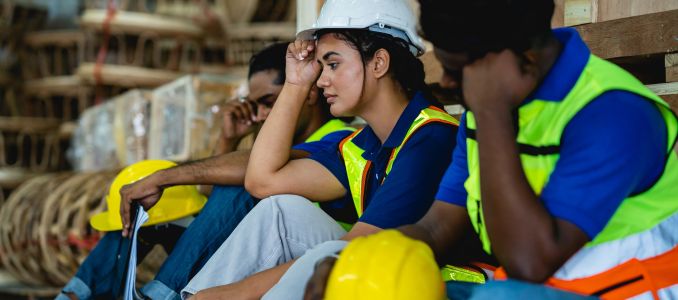
Ten technology companies will showcase tools designed to monitor and mitigate workplace fatigue during the upcoming NSC Safety Summit.

As factory construction surges, facility design must evolve to handle the complex collision risks posed by robotics and high-speed automation.
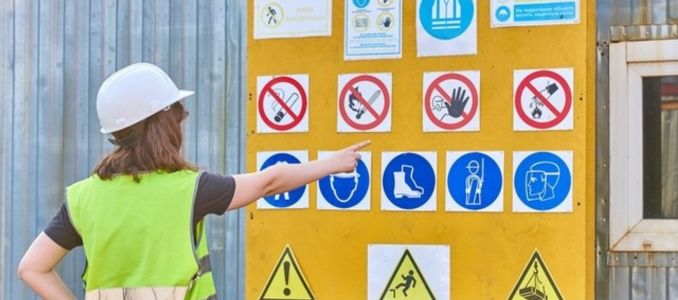
Is your jobsite drowning in signs? Learn how habituation dulls workers' attention and how to restore the impact of critical safety communication.
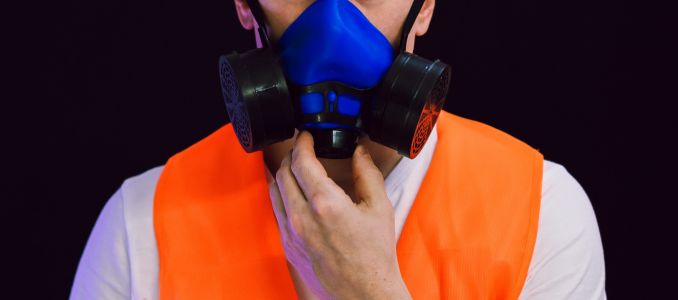
OSHA cites two Cartersville companies for repeated safety failures and exposing workers to hazardous dust and noise levels.

Backed by NFPA, bipartisan legislation aims to protect copyright for safety standards while ensuring public access when incorporated into regulations.

Explore the financial, training and political factors that determine whether an organization sticks to the safety basics or invests in excellence.
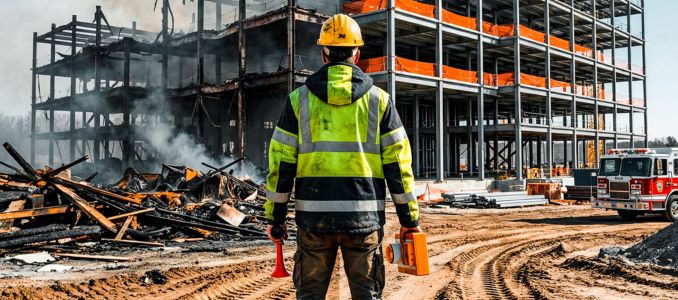
New industry whitepaper outlines upcoming NFPA 241 code changes and the role of wireless detection in protecting complex jobsites.
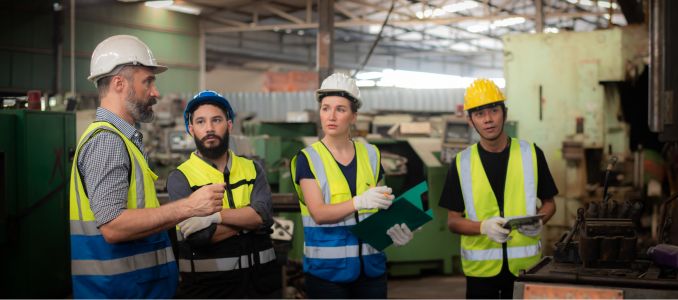
Partnership aligns workforce training with professional credentialing standards to streamline career advancement for safety leaders.

The 2026 Corporate Listening Tour report identifies five critical themes moving EHS from a compliance checkbox to a core business operating system.
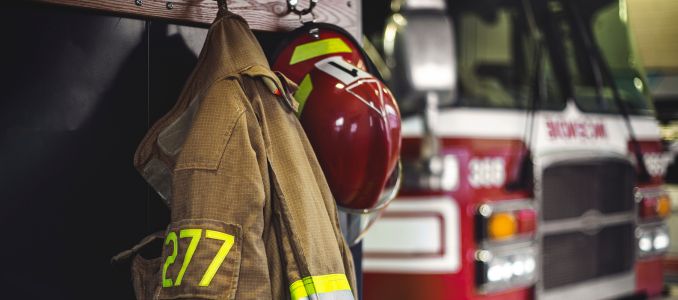
The agency’s research is being integrated into national safety standards to improve worker protection across various industrial sectors.