
Women in industry face unique risks when protective gear doesn’t fit. New approaches to design are transforming PPE to improve safety, comfort, and inclusion.

Digital innovation is transforming fall protection — turning helmets, harnesses, and inspections into proactive safety systems that prevent risks, simplify compliance, and accelerate emergency response.

Connected gas detection sets a new standard for HazCom via real-time data sharing that strengthens response, and builds proactive safety cultures.
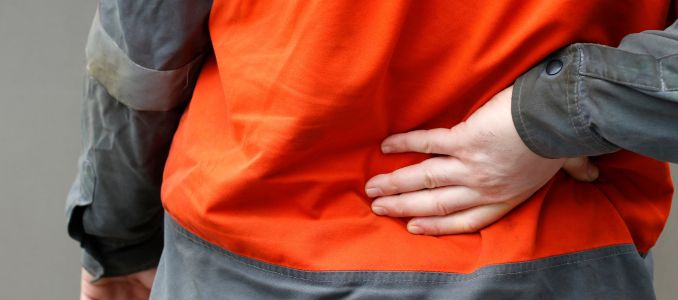
The National Safety Council will award up to $300,000 in new funding through its Research to Solutions and MSD Solutions Pilot Grant programs, continuing efforts to reduce musculoskeletal disorders across workplaces nationwide.

OSHA unveiled its preliminary list of this year’s most cited workplace safety violations. Fall protection remains a top concern, but the entire list offer insight into where safety professionals should focus their efforts.
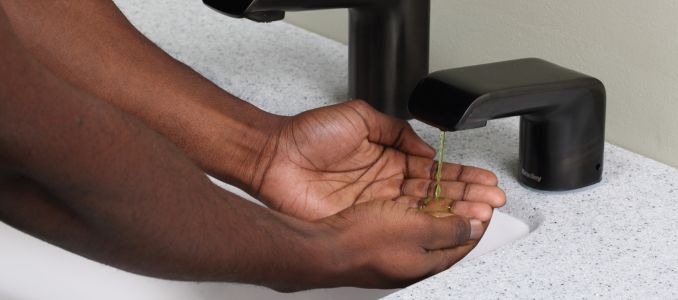
Observed each year on October 15, Global Handwashing Day reminds safety professionals and employees that proper hand hygiene remains one of the simplest, most effective defenses against illness in the workplace.
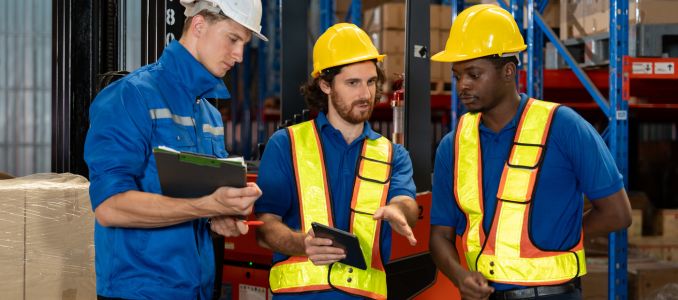
As workplace risks evolve, organizations must move beyond compliance to create adaptive, psychologically safe teams capable of managing complex crises and emerging threats.
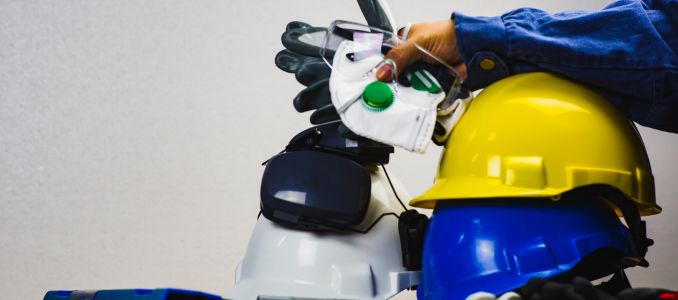
When PPE fits well and supports employee wellness, workers feel valued, stay protected, and drive a stronger culture of safety, comfort, and compliance across every shift.
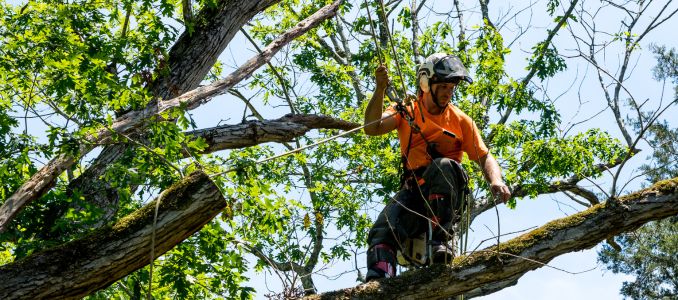
A new alert from Washington State’s Department of Labor & Industries urges employers to strengthen fall protection, supervision, and rigging practices after multiple fatal tree trimming incidents.
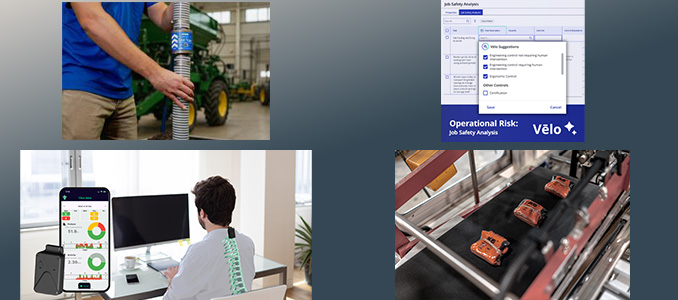
From advanced pneumatic conveying systems and posture-improving wearables to AI-driven safety analysis and faster PPE distribution, these new product innovations are designed to boost workplace safety, efficiency, and worker wellbeing.

Canada’s largest public employees’ union introduces a new resource to address psychosocial hazards, reduce workplace stress, and promote mental health as a core part of occupational safety.
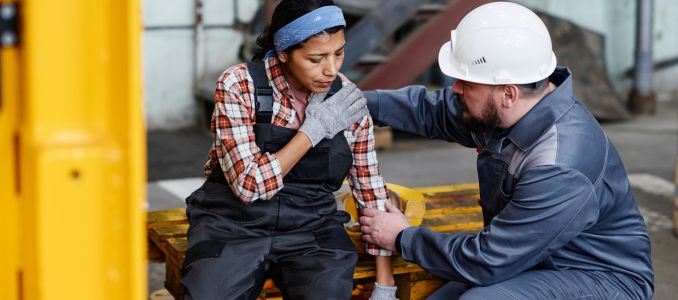
Pie Insurance’s latest workplace safety survey reveals key trends impacting small businesses, from rising injury costs to growing concerns about employee wellbeing.
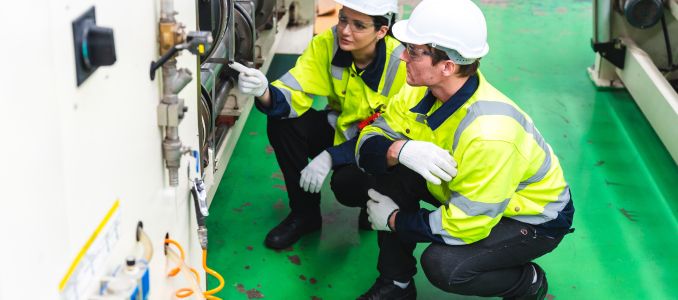
Michigan employers with 250 or fewer workers can apply for matching grants of up to $5,000 to fund equipment and training that improve workplace safety.

Chronic dehydration is a widespread but often overlooked safety hazard in high-heat workplaces, affecting cognitive performance, increasing accident risk, and threatening both worker health and productivity.

North Carolina earned the No. 2 national ranking for workplace safety, reflecting statewide efforts to reduce risks, improve training, and strengthen safety culture.
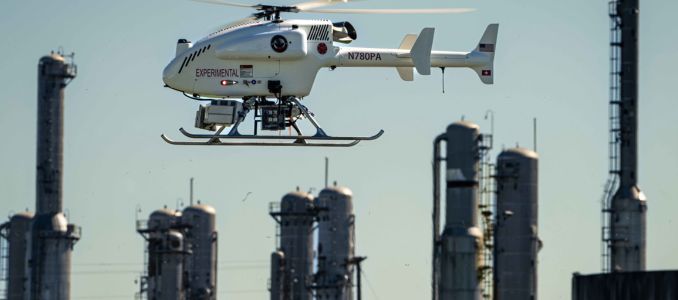
As aging infrastructure and extreme weather increase risks for energy workers, companies are turning to autonomous technologies to improve safety and efficiency in hazardous environments.

The International Association of Fire Fighters has moved to dismiss all remaining claims in its lawsuit against the National Fire Protection Association, ending a legal dispute over firefighter protective gear standards.