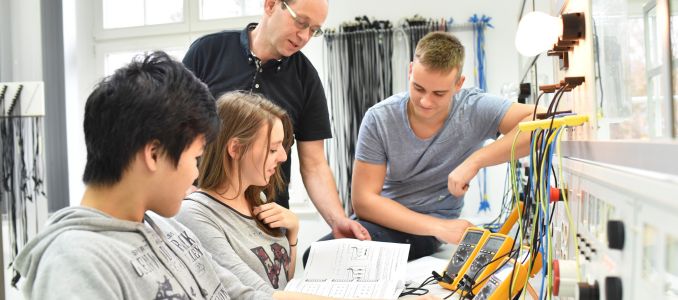
Funding through the YouthBuild program aims to prepare young people ages 16–24 for careers in construction, manufacturing, IT and health care through training and apprenticeship pathways.
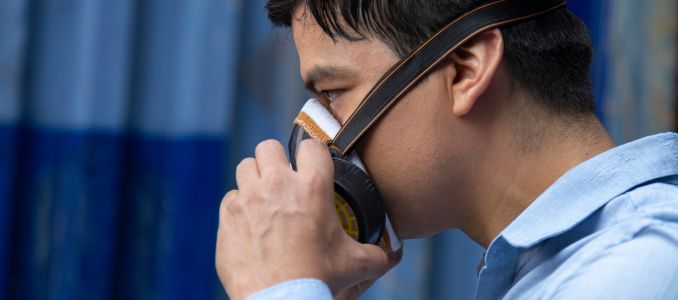
New data highlight differences in preparedness, training, and employer trust as Gen Z and millennial workers encounter legacy hazards on older job sites.

The new federal program aims to expand registered apprenticeships in advanced manufacturing, strengthening workforce training and supporting safer performance in safety-sensitive roles.
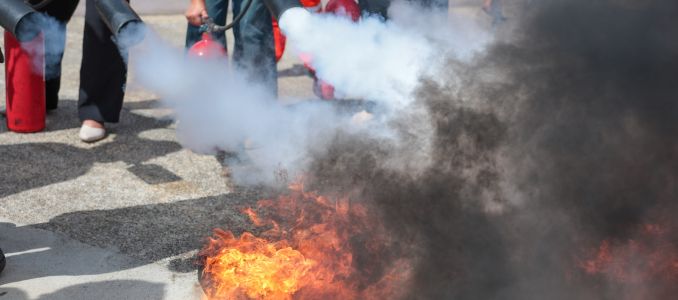
As wildfire risks grow nationwide, NFPA’s 2026 Wildfire Community Preparedness Day funding highlights the increasing overlap between community resilience and occupational safety responsibilities.
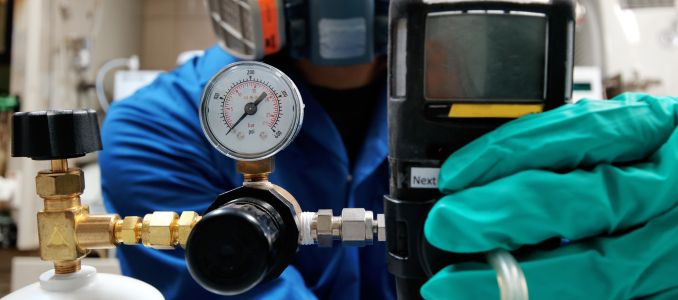
Effective training helps workers understand gas hazards, respond to alarms, and reduce exposure to toxic, flammable, and oxygen-deficient atmospheres.

Federal funding from the U.S. Department of Labor, administered by MSHA, will support mine safety and health training programs nationwide, expanding education and hazard awareness in a high-risk industry.
Agency highlights training, supervision, and legal requirements as youth employment increases statewide.

The SafetyFOCUS education program offers expert-led training to help safety professionals build practical skills, earn CEUs and address evolving workplace safety challenges.
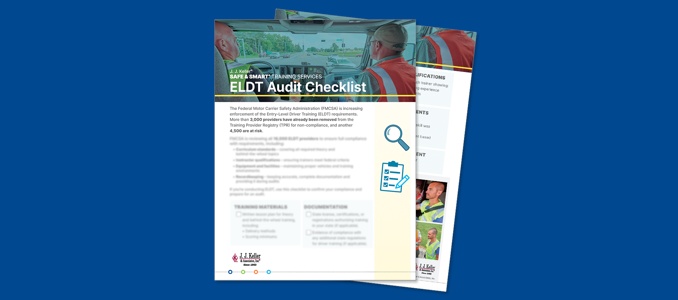
With thousands of training providers removed from the federal registry for non-compliance, J. J. Keller is offering a free ELDT Audit Checklist and its Safe & Smart® ELDT Trainer Certification Program to help motor carriers meet FMCSA requirements and avoid onboarding delays.

The Healey-Driscoll Administration has launched the SafetyWorks Initiative, providing funding to help employers enhance training, improve hazard prevention, and reduce workplace injuries across the Commonwealth.
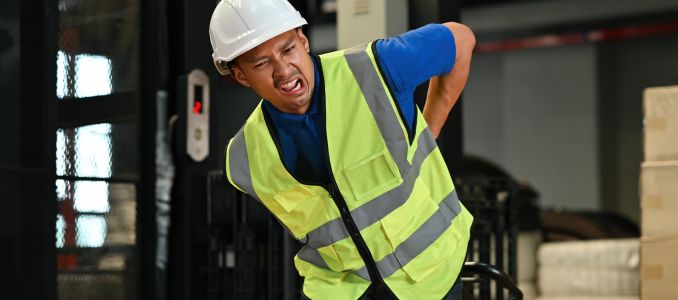
Traditional classroom training rarely changes how people work. Microlearning—short, focused, practice-based modules—helps employees master safer techniques, improve comfort, and reduce injuries by making ergonomic strategies tangible and repeatable.
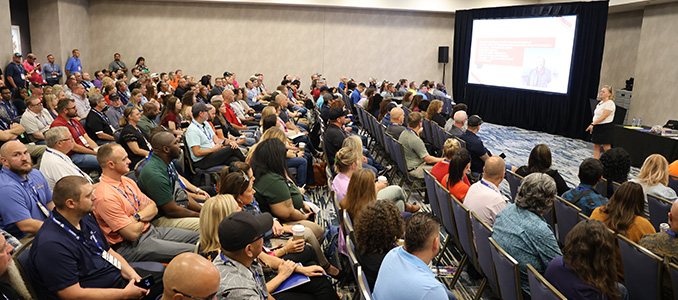
VPPPA has opened its call for workshop proposals for the 2026 Safety+ Symposium in Nashville. Submissions are due December 9, with priority topic areas including safety leadership, PSM, SHMS lessons learned, and construction safety.

As AI tools become part of everyday work, employers are using technology to detect hazards and strengthen training—but true protection for young and inexperienced workers still requires awareness, communication, and a strong safety culture.
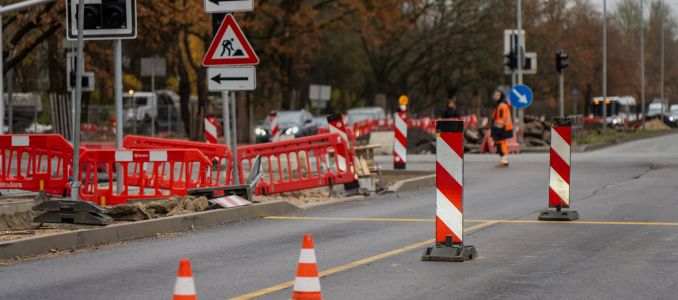
NSC received nearly $1.3 million in federal grants to grow its employer roadway safety programs in four states with free training and resources to prevent crashes and injuries.

J. J. Keller’s new CTRE™ program offers fleet professionals advanced, hands-on training in the Federal Motor Carrier Safety Regulations, including driver qualification, hours-of-service, vehicle compliance and audit preparation.

Retired Occupational and Environmental Health and Safety professionals continue to shape the field through mentorship, teaching, and advocacy—ensuring that the next generation carries forward a legacy of prevention, ethics, and worker protection.
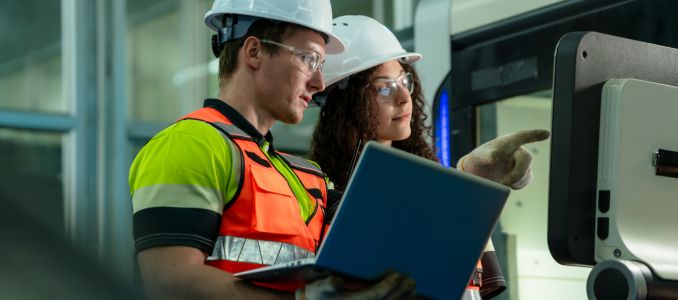
The Connecticut Department of Labor will use new federal funding to expand workforce development and integrate occupational safety training across construction, manufacturing, healthcare, and transportation sectors.
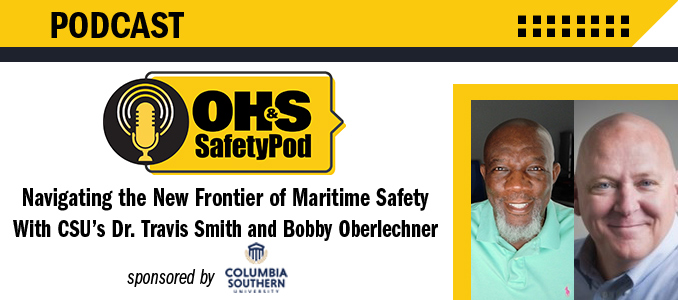
OH&S SafetyPod welcomes Columbia Southern University’s Dr. Travis Smith and Bobby Oberlechner to discuss the university’s new maritime safety degree program and how it’s preparing future leaders for complex, high-risk maritime operations.
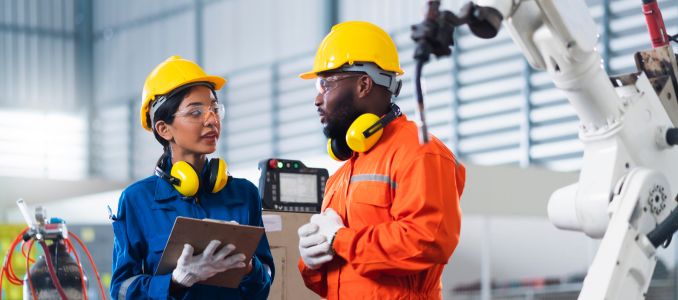
A proactive approach to safety helps organizations prevent injuries, avoid costly OSHA violations and foster a strong safety culture built on accountability and communication.

Michigan small businesses with 250 or fewer employees can apply for MIOSHA’s MIWISH grant program, which provides up to $5,000 in matching funds for safety equipment and training to reduce workplace injuries and illnesses.