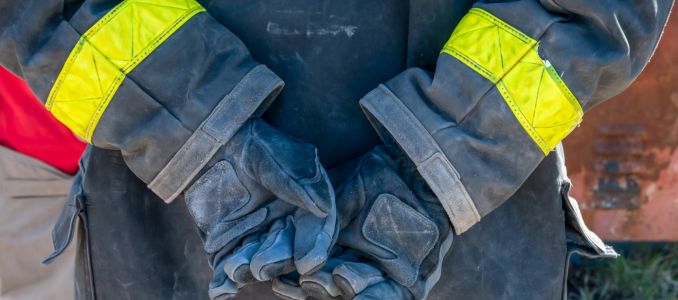
The acquisition of flame-resistant and high-visibility lines from Lakeland Industries strengthens NSA’s position in the safety market.

Prescription safety glasses provide the protection, comfort and clarity standard PPE often lacks—helping reduce eye injuries and improve workplace safety.
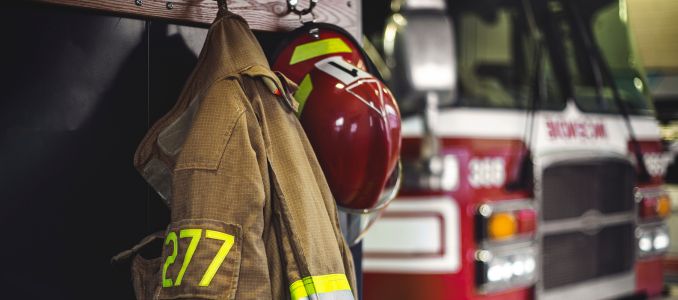
The agency’s research is being integrated into national safety standards to improve worker protection across various industrial sectors.

Stack Construction Technologies report identifies bias, PPE gaps, and workplace barriers impacting safety, retention, and career advancement for women in construction.
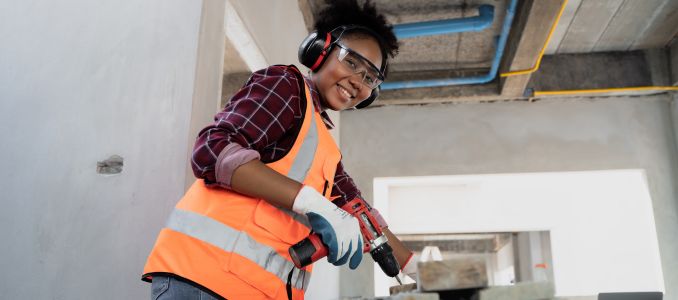
Move beyond one-size-fits-all. Discover a six-step, employee-driven approach to implementing PPE programs that actually protect women in the workforce.
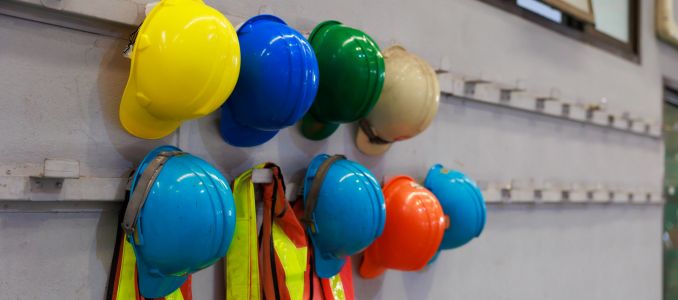
A coalition of nine safety groups petitioned OSHA to align federal regulations with modern innovations in eye, head and first aid protection.
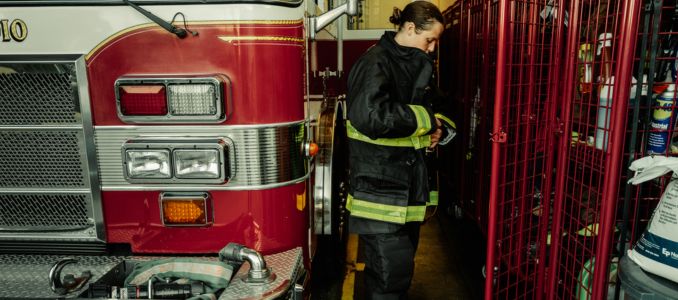
Milliken secures independent verification from Forever Analytical as the fire service industry reaches an inflection point on PFAS and transparency.

Virginia labor officials are recognizing Women in Construction Week by highlighting the growing role of women in the state’s construction workforce and promoting workplace safety initiatives.
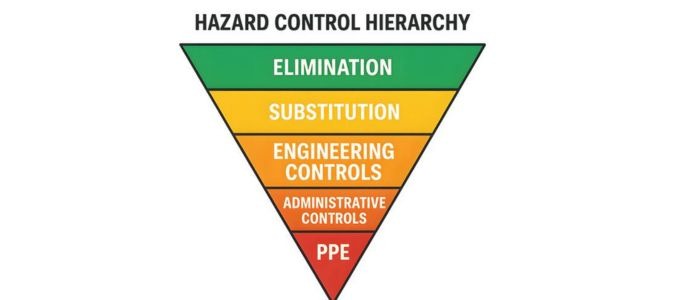
Too often organizations start with PPE instead of eliminating hazards at the source. Applying the Hierarchy of Controls in the correct order is key to sustainable risk reduction and safer workplaces.

ISEA backs a bipartisan request to secure federal budget support for workplace safety research and essential respiratory protection programs.

State labor officials marked Women in Construction Week with a new public awareness campaign and toolkit designed to increase women’s participation in the building trades and expand equitable apprenticeship pathways.

Traditional heat safety programs often rely on generalized thresholds and reactive symptom reporting. New tools like PPG wearables, WBGT monitoring systems, and cooling innovations are helping safety teams take a more proactive approach.
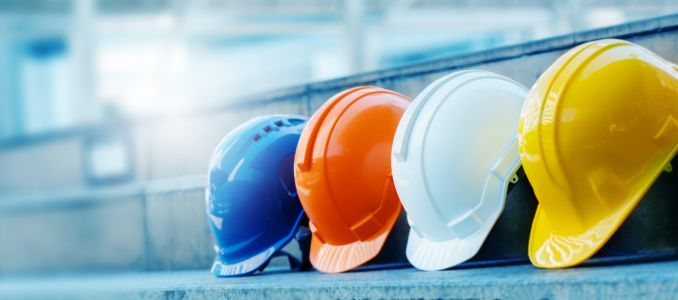
OSHA’s updated guidance highlights the importance of hazard assessments when selecting head protection. Here are five key steps to help employers choose the right helmet type, electrical class, and accessories for their worksite risks.
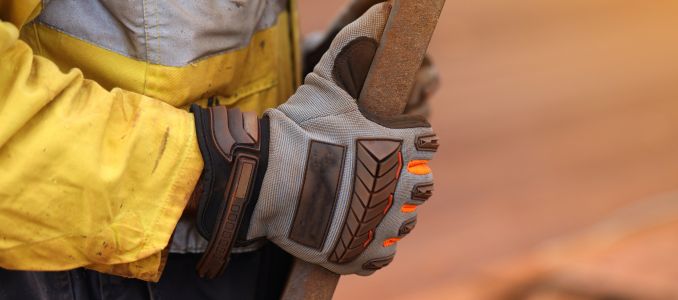
From small errors to human factors like complacency and distraction, hand injuries persist across industries. Addressing habits, awareness, and leadership may be the key to protecting workers both on and off the job.
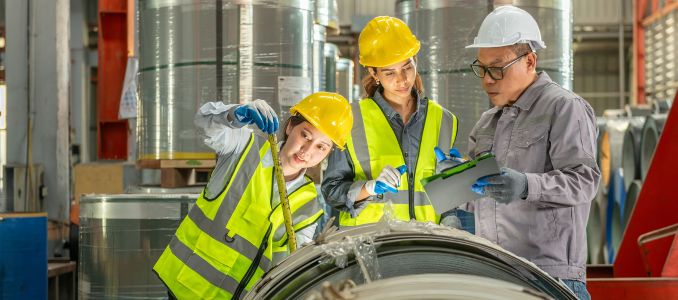
Standing between risk and life, these experts use science and strategy to stop workplace illnesses before they start. Prevention is their success.
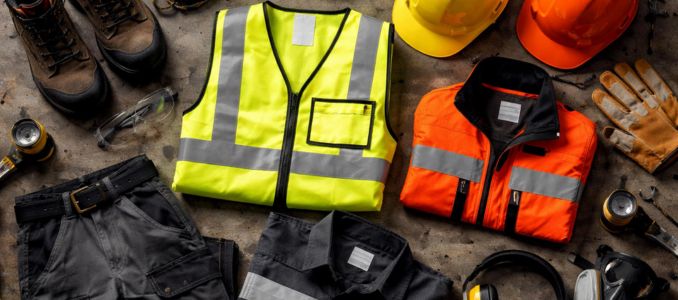
OSHA requires PPE to properly fit each worker. Learn how poor PPE fit creates compliance risk, common violations, and how employers can build a defensible fit program.
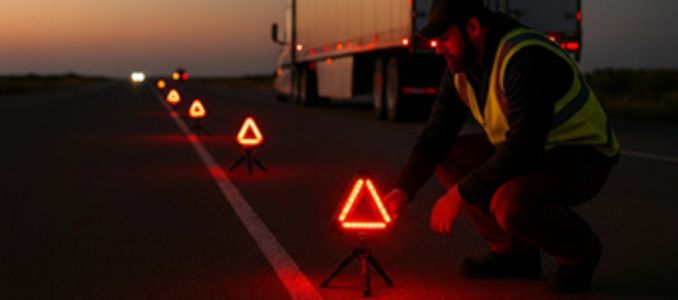
New illuminated PPE enhances worker visibility and safety in low-light and high-traffic environments
This week’s Friday Roundup highlights new emergency response equipment, maintenance solutions that extend system performance, digital tools to simplify regulatory compliance, cold-weather PPE innovations, and industry efforts to improve fit and inclusion for women in the skilled trades.
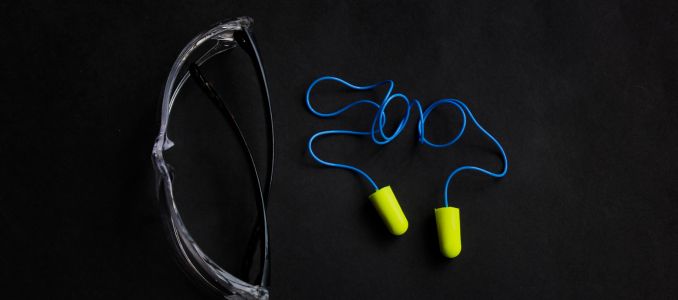
Occupational health professionals play a critical role in spotting early indicators of sensory loss. Knowing when to refer for a workplace assessment can prevent burnout, improve retention, and ensure employees receive the adjustments they need before issues escalate.

OSHA found Virginia Transformer Corp. failed to correct hazards previously identified in multiple inspections, issuing 53 serious and repeat violations tied to crane safety, machine guarding, fall hazards and inadequate PPE.