
Asbestos and NORM exposures remain a persistent risk in maintenance and aging infrastructure. Proper hazard identification and advanced PPE strategies are critical to protecting workers in complex, multi-hazard environments.

How workforce wellness, PPE fit and fatigue reduction are transforming safety programs from reactive protection into proactive performance strategies.
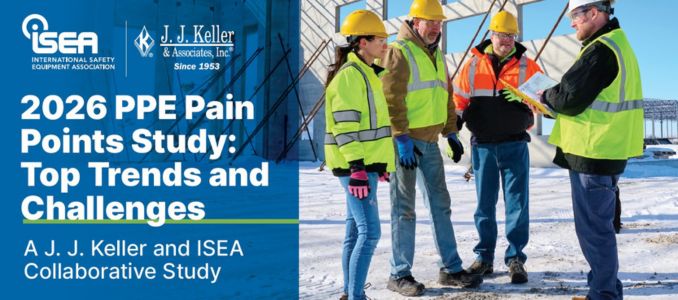
New research shows companies struggle with employee buy-in, comfort and proper fit for female workers.
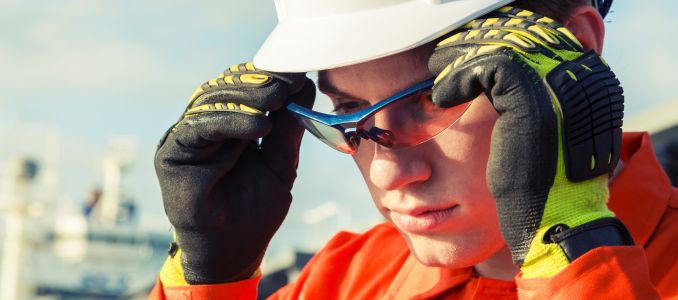
Traditional systems for ordering and tracking prescription safety glasses were designed for single sites and stable workforces. Modern organizations are shifting to centralized, lifecycle-based programs to maintain compliance and protect workers across multiple locations.
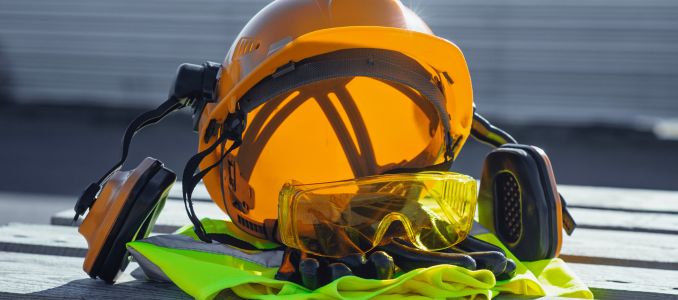
Many hearing conservation programs check the compliance box but still fall short in practice. An expert explains why.

Bi-polymer glove coatings improve grip, durability and dexterity, reducing risk and enhancing performance in demanding work environments.
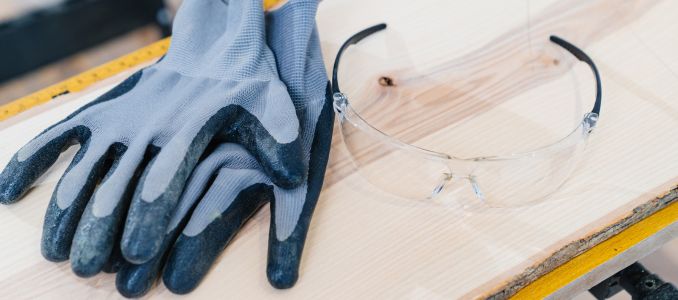
Industrial environments are becoming more unpredictable, making higher-cut protection a necessity for modern worker safety and compliance.

New data reveals a lack of safety awareness and low employer trust among employees entering the trades.
The acquisition of flame-resistant and high-visibility lines from Lakeland Industries strengthens NSA’s position in the safety market.

Prescription safety glasses provide the protection, comfort and clarity standard PPE often lacks—helping reduce eye injuries and improve workplace safety.
The agency’s research is being integrated into national safety standards to improve worker protection across various industrial sectors.

Stack Construction Technologies report identifies bias, PPE gaps, and workplace barriers impacting safety, retention, and career advancement for women in construction.
Move beyond one-size-fits-all. Discover a six-step, employee-driven approach to implementing PPE programs that actually protect women in the workforce.
A coalition of nine safety groups petitioned OSHA to align federal regulations with modern innovations in eye, head and first aid protection.
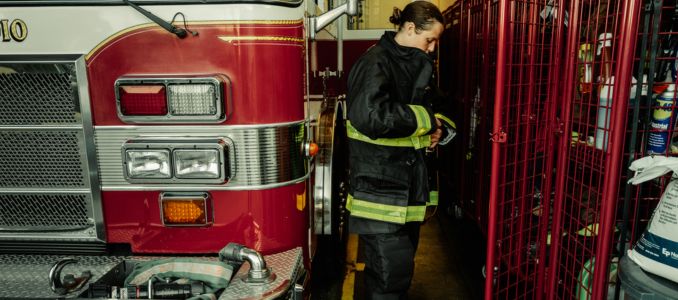
Milliken secures independent verification from Forever Analytical as the fire service industry reaches an inflection point on PFAS and transparency.

Virginia labor officials are recognizing Women in Construction Week by highlighting the growing role of women in the state’s construction workforce and promoting workplace safety initiatives.
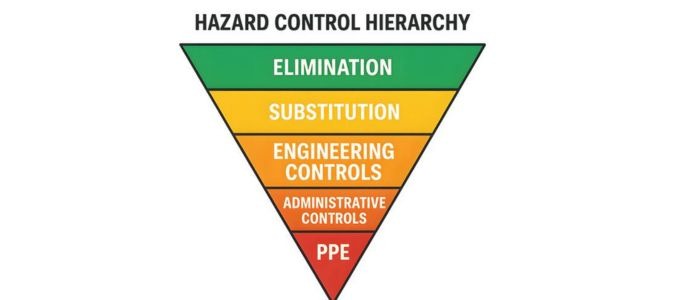
Too often organizations start with PPE instead of eliminating hazards at the source. Applying the Hierarchy of Controls in the correct order is key to sustainable risk reduction and safer workplaces.

ISEA backs a bipartisan request to secure federal budget support for workplace safety research and essential respiratory protection programs.

State labor officials marked Women in Construction Week with a new public awareness campaign and toolkit designed to increase women’s participation in the building trades and expand equitable apprenticeship pathways.

Traditional heat safety programs often rely on generalized thresholds and reactive symptom reporting. New tools like PPG wearables, WBGT monitoring systems, and cooling innovations are helping safety teams take a more proactive approach.