
The former industrial workers, particularly those with respiratory illnesses or occupational lung diseases are more prone to COVID-19.
Because of the coronavirus pandemic, the National Safety Council has postponed observing Distracted Driving Awareness Month.

Workers for Amazon and Whole Foods are struggling to keep up with the world’s hectic pace and high grocery demands—and their physical and mental health are paying for it.

While most of us are staying home and social distancing, some workers are not that lucky. Among those most at risk of COVID-19 are janitors, domestic workers, housekeeping and office cleaning crews.
The Department of Labor has launched an initiative to increase focus on agency inspections to reduce worker risk of silica exposure.

Episode 8
OH&S Editors Sydny Shepard and Amanda Smiley discuss the newest updates related to the Coronavirus, or COVID-19.
Vice President Mike Pence has asked that construction companies donate their excess face masks to hospitals and clinics that may be running out amid the coronavirus crisis this week.

The coronavirus is one of the most covered topics by media outlets to date—but it’s also been the subject of much misinformation. The World Health Organization has set many myths straight.
The COVID-19 outbreak has left healthcare workers scrambling for appropriate and enough PPE for the virus. Now, President Trump has issued a new temporary guidance regarding the enforcement of OSHA’s Respiratory Protection standard.

While not all Americans are able or fortunate enough to work from home, many have transitioned to telecommuting and virtual work over the last week or two. Here are some ways you can get your work done and stay healthy while working from home.
Bradley Corporation shares an important news release for handwashing habits. In the face of coronavirus, the flu and other illnesses, hygiene is more important than ever.
Last month, OSHA cited Nonni’s Foods LLC for exposing employees to falls and other hazards at a New York Facility.

As the coronavirus sweeps across the globe, companies are wondering how to keep workplaces—not just individuals—safe from the disease. Read OSHA’s recommendations here.
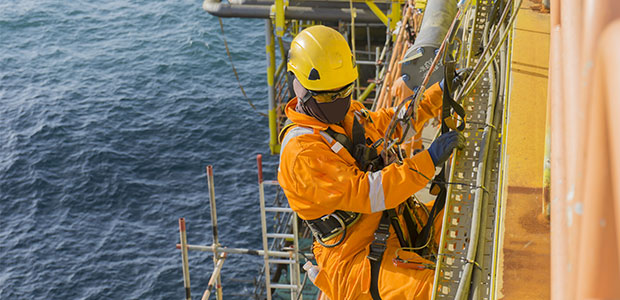
A number of industries require workers to work alone—and the oil & gas industry is high on the list. Learn how to best protect your lone workers, but especially those doing the dirty work.
Agriculture is one of the most dangerous industries, and it’s crucial that we keep our farmers healthy and safe. Refresh yourself on these farmer safety tips.
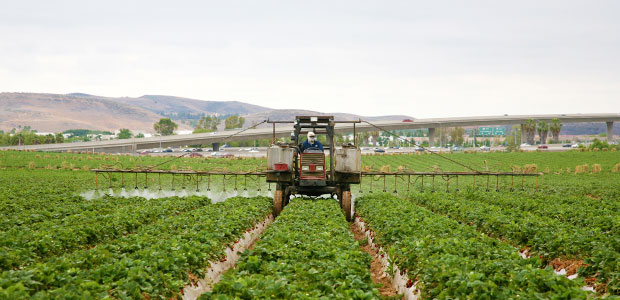
The new ban will affect many farmers and agriculture workers in the state, as they will no longer be allowed to use the widely used insecticide based on its threat to human health.

In the wake of the coronavirus anxiety, healthcare workers say they do not have access to enough protective gear and protocols to protect themselves.
Black lung is affecting coal miners of all ages. Luckily, NIOSH released a video that educates about black lung, raises awareness and motivates workers to participate in free screenings.
Review these helpful safety tips for retail workers alone on the job—topics that could save their lives.

In recent years, many women firefighters have raised concerns that their job may be putting them at higher risk of breast cancer. Recent studies show this very well could be the case.