With the excitement of the holidays, parents, and relatives eagerly purchase the hottest toys and latest items for their children. But it's during the hustle and bustle of the season that many fail to buy age appropriate gifts and they tend to disregard warnings on these toys and gifts when it comes to ensuring safety.
"The need for fall protection was clear and recognized, yet this employer did not provide this basic, commonsense, and legally required safeguard," said Paul Mangiafico, OSHA's area director for Middlesex and Essex counties.
As part of an ongoing investigation into cases of excess radiation during CT perfusion imaging of the brain, the Food and Drug Administration has provided imaging facilities and practitioners with interim recommendations to help prevent additional problems.
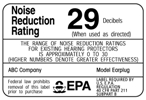
The National Hearing Conservation Association's comments on the EPA proposal recommend simpler labels, 42 months to retest and relabel protectors, and requiring a statement on the labels saying individual quantitative fit testing is the only way to estimate a user's attenuation.
"Few Americans are aware of lead's deadly effects or the fact that lead taken home on clothing and work tools can infect an entire family," said OSHA Area Director Richard Gilgrist in Cincinnati.
Most scientists believe that staph infections are caused by many bacterial cells that signal each other to emit toxins. The signaling process is called quorum sensing because many bacteria must be present to start the process.
The agency began a health inspection in June after receiving information that fires had occurred in the Ohio plant, and that large amounts of dust from the manufacturing process had accumulated throughout the worksite.

The new chief of OSHA, David Michaels, Ph.D., will be sworn in this week and quickly can decide how to tackle some of the big issues on the agency's plate.
The Connecticut-based company received citations for working around energized transmission lines that were not grounded and working within the minimum approach distance in a bucket truck that was improperly rated for the work being conducted, OSHA said.
In addition to food, family, and gifts, decorations are one of the reasons that many look forward to the holiday season. While candles, Christmas trees, and other decorations are part of the holiday spirit, they can pose fire and poisoning hazards, especially to curious children.
The chance of surviving an out-of-hospital cardiac arrest has not improved since the 1950s, according to a report by the University of Michigan Health System. The analysis shows only 7.6 percent of victims survive an out-of-hospital cardiac arrest, a number that has not changed significantly in almost 30 years.
According to a poll of Pennsylvania adults, about 17 percent of Pennsylvanians experienced an injury or knows someone who was injured while opening gifts during past seasons.
The accident investigation, which was conducted by OSHA's Puerto Rico Area Office, resulted in citations for exposing workers to the hazards of hot water and steam condensate, not developing and documenting procedures to prevent the unintended release of hot water and steam, and not training workers on the safe application, usage, and removal of energy control devices.
OSHA's inspection identified three packaging machines in the plant that lacked required safeguards to keep employees from becoming caught in their points of operation.
The new live series of webinars from the agency's Community Preparedness Division are free to the first 500 visitors who enter the Web site at the time of the event.
A newly published study of aviation-related injuries and deaths in the United States finds an average of 1,013 patients are admitted to U.S. hospitals with aviation-related injuries annually, and that an average of 753 aviation-deaths occur each year. The study, conducted by researchers from the Johns Hopkins Bloomberg School of Public Health's Center for Injury Research and Policy and Columbia University, also reports that the largest categories of patients were occupants of civilian, noncommercial powered aircraft (32 percent), and parachutists (29 percent).

The leaders of 13 states' environmental agencies issued an eight-point statement of principles Dec. 2 as EPA Administrator Lisa Jackson, shown here, testified at a U.S. Senate Committee on Environment and Public Works hearing about the need to reform the law.
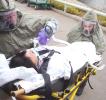
Titled "Best Practices for Protecting EMS Responders During Treatment and Transport of Victims of Hazardous Substance Releases," the new guidance document addresses adequate training and personal protective equipment for emergency medical services responders who assist victims of hazardous substance release incidents.
There are no products registered by EPA for use in residential settings that will disinfect or sterilize the air or a room by fogging. Claims for disinfecting carpeting, drapes, and other porous surfaces are also false, the agency says.
According to OSHA, workers at the site lacked proper respirators and protective clothing and had not been informed of the presence of asbestos at the site, and the employer failed to determine the asbestos exposure level and establish a regulated work area for asbestos removal and handling.