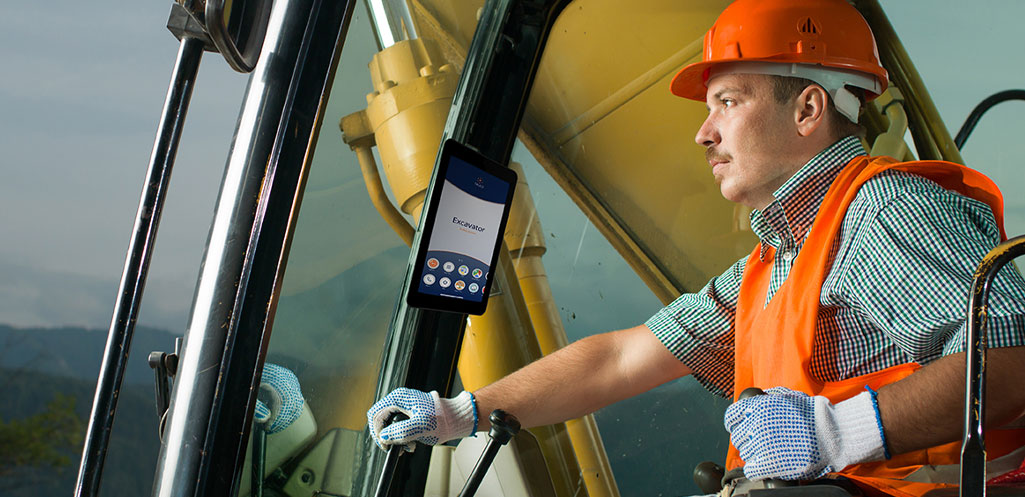
Mobile devices have fundamentally changed the work environment across a wide range of industries over the past decade.

Whether responding to a carbon monoxide call or performing an overhaul and investigation, a gas detector could save your life or the lives of nearby civilians.

Laser safety is a commonly misunderstood topic. Here are several of the major hazards of industrial class 4 lasers, and the current methods of protection.

The four essentials of confined space safety for construction workers.
From grain handling operations to heavy blast material, pit cleaning with vacuums allows workers to clean outside of confined spaces.

Employers should follow safety regulations to protect their employees. But quite frankly, those measures do not cut it.
OSHA’s webpage on grain handling is designed to provide workers, employers, and safety and health professionals with up-to-date safety and health information regarding grain handling facilities.
OSHA fined a Pennsylvania company $280,874 for putting employees at risk for toxic fumes and other safety hazards.
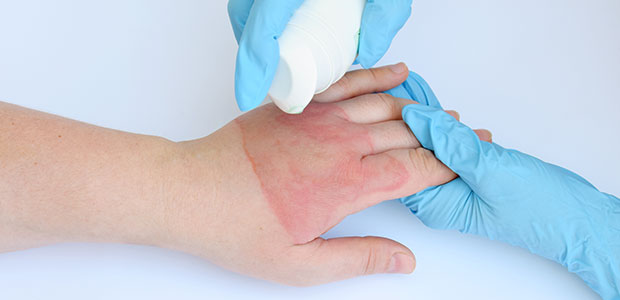
The first week of February (2-8) is Burn Awareness Week, observed by the American Burn Association. Educate yourself on burn, fire, and life safety and help prevent harmful or fatal burns.

A review by two university public health departments show that many employees bring home toxic contaminants from work on their clothes. Now, these groups want to recognize these exposures as a public health hazard.
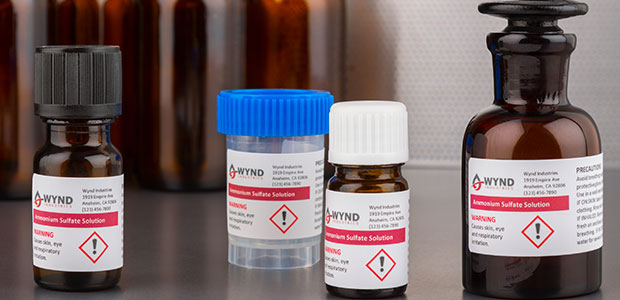
Why is HazCom such a sand trap for compliance citations?
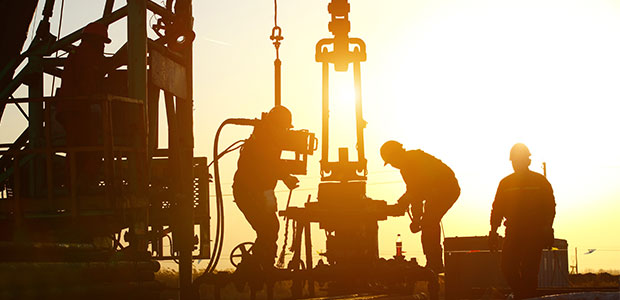
The oil-and-gas industry produces almost a trillion gallons of toxic waste a year—and a new investigation shows that this radioactive waste could be the cause of workers and communities getting very sick across America.
The craft beer brewing industry has been booming lately, but OSHA has also been citing employers left and right for these common violations.
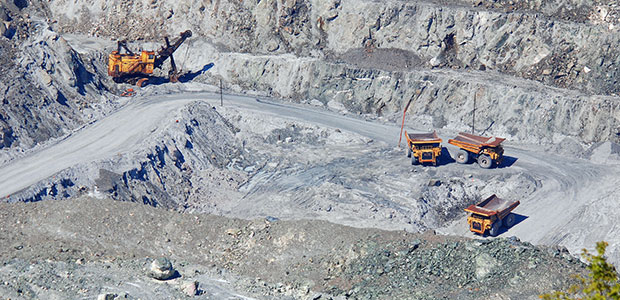
Quebec health officials are concerned concerned about plans for asbestos residue repurposing efforts, saying it should be banned. But one town meeting on the topic with 150 people shows that not everyone agrees.
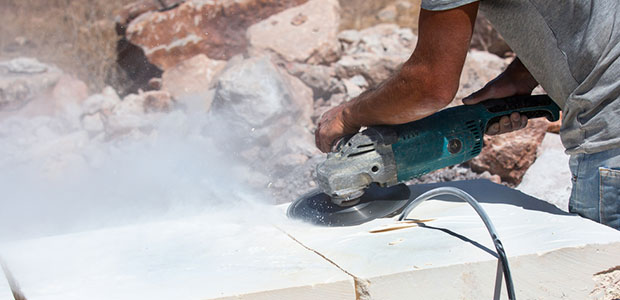
More and more cases of countertop workers getting sick indicates the hazards are cutting Silestone, a material made of quartz that releases dangerous silica.

Managing noise exposure is complex in terms of accurately assessing sound levels, identifying and ranking the dominant noise sources, and finding effective control solutions.

Worker safety is now an on-the-job priority—most companies, across all industries, have realized this throughout 2019.
If you didn’t know, OSHA is working to help protect employees who are exposed to ionizing radiation as an effect of their job environments. Check out the OSHA ionizing radiation page for information on radiation standards, health effects, and control and prevention methods.
OSHA fines Lycoming County meat processing business after an employee died on site.
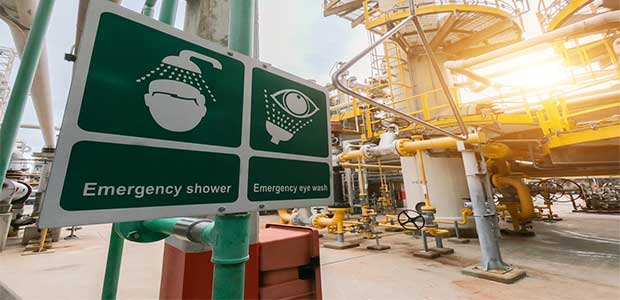
A thorough hazard evaluation will help determine what each worksite needs.