Injuries sustained while exercising accounted for a third of total injuries, despite the fact that exercising is designed to keep employees in good physical condition and decrease the risk of injury while on the job.
Chief Engineer Anthony Gervasio and Qualified Member of the Engineering Department Louis Longlois of the Damon B. Bankston received certificates as part of the International Maritime Organization’s Award for Exceptional Bravery at Sea 2011 presentation.
Researchers from Mount Sinai have found that responders who experienced high levels of exposure to the initial dust cloud on Sept. 11, 2001, have a greater risk of developing arterial plaque.
Comparing two groups' retention of training material about fire extinguisher use and safety showed response technology was beneficial.
The heart and soul of any digital signage program is the content. Far too little focus is placed on this aspect of the program.
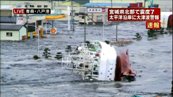
In 2011, the world experienced both. Expect more of the same — and then some — in the year ahead.

What happens when events outside demand that emergency information has to penetrate the protective cocoon of the classroom?
Understanding the dynamics of air pressure within your hazmat suit should provide welcome peace of mind.
The Rancho Cordova, Calif., explosion on Dec. 24, 2008, involved natural gas leaking from a distribution pipeline. An administrative judge rejected a smaller, $26 million fine proposed by the CPUC and the utility.
The Dec. 19 meeting of the Federal Interagency Committee on Emergency Medical Services will include the final response to NTSB recommendations from the Mexican Hat, Utah crash of a motorcoach in January 2008.
The Assistance to Firefighters Grants help departments obtain or provide vehicles, PPE, training, and fitness/wellness programs and equipment.
This affirms the agency's final rule last February concerning NFPA codes and standards with which various facilities must comply.
According to BP, at the height of the response to the oil spill, more than 48,000 responders were involved in capping the Macondo well, recovering oil, protecting the coastline, and rescuing and rehabilitating wildlife.
"The commercial fishing industry continues to have the highest fatality rate of all occupations in the United States; the safety hazards of this industry are unacceptable," said NTSB Chairman Deborah Hersman.
FEMA is gathering reports from test participants and asking stakeholders to send tips and suggestions. Many are suggesting incorporating social media and smart phones next time.
The report takes a look at the number of 2010 firefighter injuries, injuries by type of duty, exposures to infectious diseases, and how a community’s size affects the number of injuries within a fire department.
Salvors have attached 35 underwater locator beacons to the containers considered most vulnerable to being lost overboard, and they expect 200 more beacons to arrive soon from the United States, Maritime New Zealand reported Nov. 7.
From the one-day event at DOT headquarters in Washington, D.C., the agency hopes to develop a strategy for improving responders’ ability to prepare for natural gas and hazardous liquid pipeline emergencies.
The airline said its Dayton Airport Customer Service team worked for more than a year to earn Star status, which was awarded in a Nov. 7 ceremony.
At 2 p.m. EST on Nov. 9, the Emergency Alert System will be tested nationally to assess whether it works effectively as a method of alerting the public about emergencies.