
Campus safety cannot wait as higher education shifts from reactive emergency response to continuous, intelligence-driven preparedness.
CSA Group Fire Test Specialist Josh Dinaburg discusses lithium-ion battery fire risks, thermal runaway, evolving safety standards, and what workplace safety professionals need to know as battery storage systems become more common.
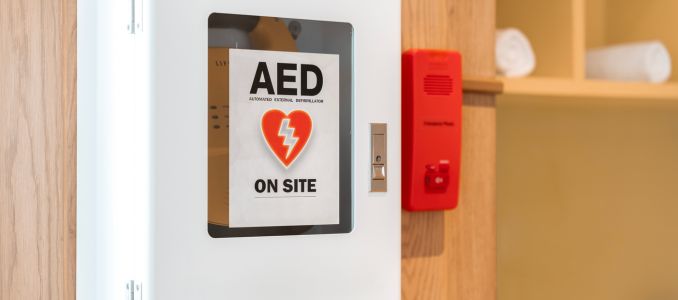
Many workplaces track CPR/AED training completion, but real survival depends on response speed, confidence, and culture. Here’s how safety leaders can close the readiness gap before a cardiac arrest happens.

New York’s September 11th Worker Protection Task Force will meet Feb. 18 to review long-term health effects linked to hazardous exposures during Ground Zero response efforts and discuss industrial hygiene monitoring and emergency worker protections.

As workplace risks evolve, organizations must move beyond compliance to create adaptive, psychologically safe teams capable of managing complex crises and emerging threats.
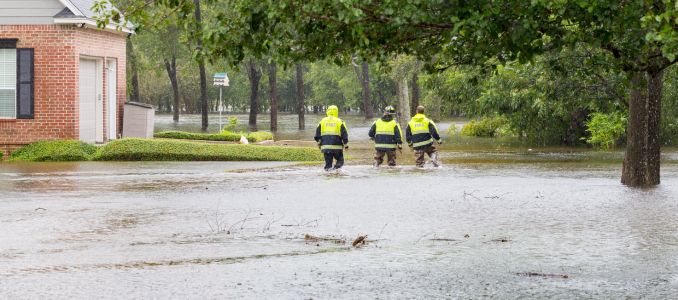
Federal grant funding will support disaster cleanup jobs and workforce training in Texas communities hit hard by deadly summer flooding, with safety playing a critical role in recovery efforts.

A military-inspired training method offers organizations a powerful way to strengthen judgment, adaptability, and safety outcomes.

Developed by IL OSHA and IFSI, the “Defenses for Firefighters” course delivers tactical, real-world strategies to reduce injuries and fatalities in emergency response.
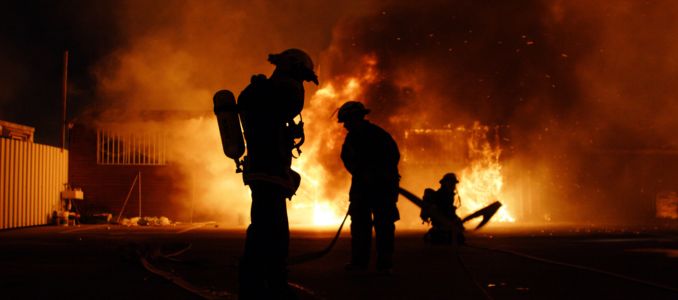
New findings highlight progress in safety practices while underscoring persistent risks tied to overexertion and cardiac health.

As a fast-moving fire near Cle Elum prompts evacuations, state officials highlight workplace health risks from wildfire smoke and share guidance during Smoke Ready Week.

Health officials said the case involves an adult male farm worker who had contact with deceased commercial poultry.

Expert Dennis Terpin discusses the various respiratory issues involved in disaster response and the key components of a respiratory protection program in disaster scenarios.

Understanding the crucial role that AEDs play in workplace emergency preparedness.

Digital emergency management systems are transforming safety drills and evacuations by providing accurate, real-time data and improving efficiency.

Learning more about the bystander effect can help organizations understand how it could affect workplace accident response if prevention measures are not taken.

These latest efforts aim to reduce the rising rate of workplace overdoses.

When an incident happens, a quick response plan is the key to minimizing the downsides of suspension trauma.

Panic button devices are synonymous with emergency help or immediate action, but this concept has evolved into a tool for the occupational health and safety of employees in sectors such as healthcare or hotels and hospitality.

The agency is prioritizing on-site support in Florida's hardest-hit areas.

The funds aim to bolster the development of guidelines for hazardous airborne exposures.