The two partner agencies will work together to address the most common construction accidents that cause injuries, deaths, and incidents.
"Make a Difference" is the theme of the National Safety Council's 2008 National Safety Month observance and a call to action to reverse the increase in accidental injuries and deaths.

A reopened record on electrical rule and a revised HazCom standard in October are two highlights of the spring 2008 semiannual agenda.
Working a summer job many years ago on a crew of a county road repair department was my first full-time outdoor employment. Flagging for our paving machines and dump trucks that first day was a brutal education, but not because of the pace, the dust, the heat, or the toil. It was rough because I hadn’t known to bring my own jug of water. On Day Two and every work day thereafter, I was much better prepared.
New research suggests that workers who need skin exams the most by the nature of their occupations -- such as construction, forestry, fishing, and farming workers -- are the least likely to get them.
EEOC announced a major settlement of a racial harassment lawsuit for $1,650,000 and significant remedial relief against Conectiv, A.C. Dellovade Inc., Steel Suppliers Erectors Inc., and Matrix Services Industrial Contractors.
Three employees contracted from a temporary help company were injured after they were instructed by supervisors to clean the inside of a tank that contained concrete slurry waste.
A new resource on the "Prevention through Design" (PtD) initiative was released May 1 as a special edition of the Journal of Safety Research.
The equipment was sold at major home centers and hardware stores nationwide from April 2007 through January 2008 for about $500.
"Amputation is a very real threat when machines lack the proper safety features," said John J. Deifer, OSHA's area director in Savannah, Ga.
The seven safety citations include one company's two repeat violations of exposing employees to cave-in hazards by placing excavated material within two feet of a trench and allowing employees to work in an 18-foot-deep trench without an adequate protective system.
"While no cave-in occurred, the potential for death or disabling injury was real and present, since an unguarded excavation can collapse in seconds, crushing and burying employees before they can react or escape," said OSHA's Diana Cortez.
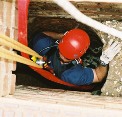
OSHA will start an "informal public hearing" on the rule at 10 a.m. July 22 in Washington, D.C. If a second or third day is necessary, the hearing will begin at 9 a.m. those days.
"It takes only one misstep, be it from a roof, scaffold, ladder, or into a hole, to cause death or disabling injury," said Arthur Dube, OSHA's area director in Buffalo.
Not quite six weeks after a construction crane fell, casting blame on city inspectors and prompting a citywide inspection blitz, Patricia Lancaster is leaving.
This class numbered 13, but 917 students from 330 companies are now registered to take classes in the program, which is offered statewide.

A major challenge facing the industry is "to develop a workforce that will help us meet our safety mission over the coming decades," NRC Chairman Dale E. Klein said April 15. This photo shows the Oconee 1 reactor in Greenville, S.C.
U.S. House Education and Labor Chairman George Miller, D-Calif., said his committee will hold a hearing next month on workplace injury, illness, and fatality numbers.
The full results of the Falls and Trips Inspection Initiative are now available. HSE Inspectors found that approximately one in three sites and one in four contractors inspected were found to be working below the acceptable standard.
EPA has extended an open invitation to contractors, renovators, remodelers, and anyone who works in the construction trades to attend its free, one-day lead-based paint training program to be held on April 22 at its mid-Atlantic office, 1650 Arch St., Philadelphia, Pa.