Top Features


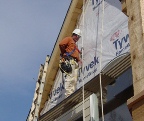
Residential frame carpenters are at high risk of falls. (Washington University photo)

Construction Fall Fatalities Can Be Prevented

Our new training curriculum for residential frame carpenters proved the skeptics wrong.

Leading the Change: The Advent of Technology for Improved Patient Safety

A lack of hand hygiene compliance is a major contributor to the high rates of health care-acquired infections in hospitals.
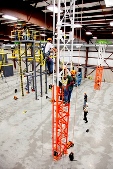
The key is to understand just how much hands-on training and education are required for a person to return to the ground safely. (Gravitec Systems, Inc. photo)

Back to the Basics

Each of these 10 elements of fall protection must be mastered by the end user.


Don't Be Tripped Up by LOTO

When a worker is injured, his or her average time lost for recuperation is 24 days, according to OSHA.

Can One Size Fit All?

Many eye injuries occur because there was not adequate side protection, proper fit, or because particles fell from above, such as when drilling overhead.
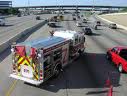
Once emergency response providers began using Automatic Vehicle Location and cell phones, the response times were significantly reduced.

The New Situational Awareness for Emergency Responders

Today, first responders are demanding that if data are available, municipalities must disseminate that information for the health and safety of employees and the public.

Understanding EN and NFPA Standards for Chemical Protective Suits

To ensure maximum protection for hazmat and emergency personnel, organizations should specify suits that meet both EN 943 and NFPA 1991.

PSM Plans: EAPs for Incidental Spills

The PSM standard requires employers to work with employees when establishing and reviewing plans.
Make sure signs are appropriate for the need. If equipment is relocated or upgraded or replaced, make the change to the sign that fits the current equipment.

Tips for Getting Your Message Across

You owe it to your employees to take another look at the signs you currently have in place. Are they clear? Are they necessary? Are they accurate?

The 12 Days of Gas Detection

On the tenth day, I researched the industry to discover several other instrument accessories, such as an extended run-time battery for those who work longer shifts.

The Handoff That Pays Off

Outsource your training initiatives and boost your bottom line.
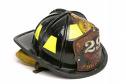
Proactively preventing fires reduces the risk of injuries and costly structural damage.

Fire Protection: A Complete Approach

There are six critical components to a workplace fire safety program.
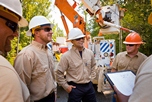
Many in the oil and gas industry rushed to purchase whatever FR clothing was immediately available, often choosing what was priced the lowest. This has proven to be a costly error in more ways than one. (TenCate Protective Fabrics photo)

Flame-Resistant Clothing: What's the Real Story?

Think about the overall wear life of the garment and what the cost will mean long term.
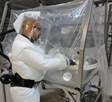
This is an example of the combined use of respiratory protective equipment and a flexible enclosure as a containment device.

PAPRs: Primary or Secondary Protection Options

Several advances are in operational use. They improve the safety of operations and improve user comfort for increased productivity.
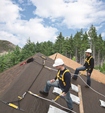
Investing in the right fall protection equipment is a crucial step toward compliance, but your responsibilities do not end there. (Capital Safety photo)

OSHA Residential Construction Regulations Compliance

Before Dec. 15, conduct an on-site compliance check. Confirm that workers elevated 6 feet or more above the lower level of a structure have OSHA-acceptable forms of fall protection.
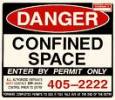
There are several options available for cleaning a confined space without entry.

Confined Space Entry Past, Present, and Future: Where Do We Go From Here?

Remember: The safest entry is no entry at all!

Cold and Flu: A Pound of Prevention

Our best bet is to layer multiple preventive strategies. If one is less than effective, others can fill the breach.

Featured

Artificial Intelligence

Webinars