Top Features


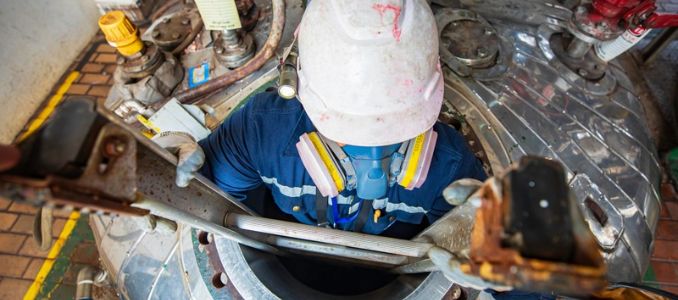
Worker wearing a hard hat, respirator and gloves climbs a ladder through an opening in an industrial tank.

A Confined Space Rescue Plan Is Not Rescue Readiness

Five questions help employers assess confined-space rescue methods, equipment, response capability and crew readiness before entry.
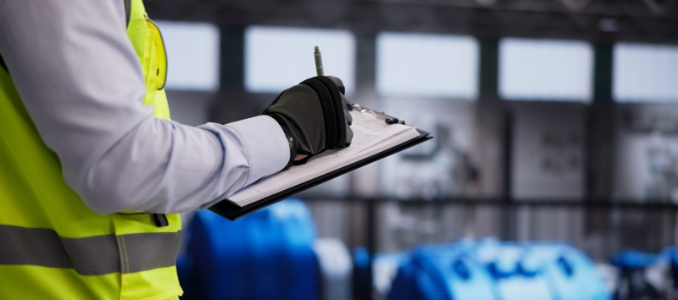
An inspector wearing a safety vest and work gloves filling out a checklist on a clipboard in an industrial facility.

Beyond the Box Check: How to Build Safety Checklists Workers Can Actually Use

Effective safety checklists focus on observable hazards, clear responsibilities and actions workers can take when something goes wrong.
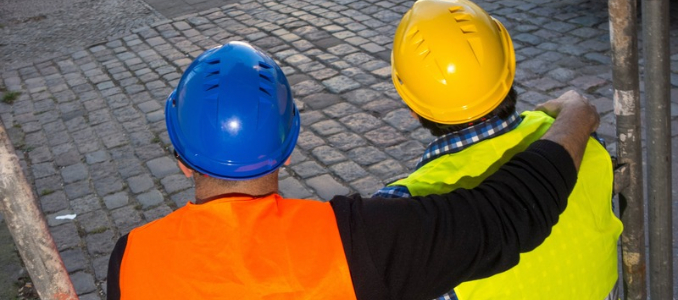
One construction worker places a supportive arm around a colleague at a jobsite.

Sustaining the Decline in Construction Suicide and Overdose Deaths

Practical steps construction leaders can take to strengthen mental health and substance use support for every worker on site.


Industrial worker reviews digital operating information on a tablet beside manufacturing equipment.

The Hidden Safety Risk: When Critical Knowledge Is Hard to Find

Organizations can reduce safety risk by ensuring workers can access trusted operational knowledge when and where they need it.
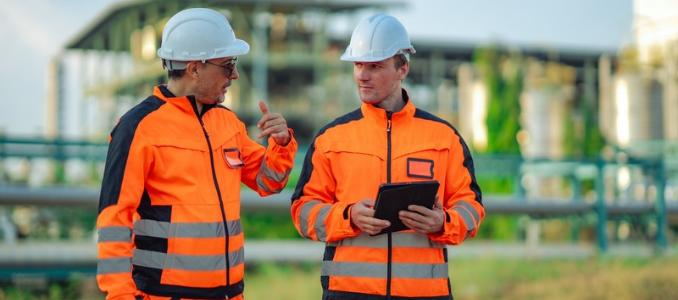
Two engineers wearing white hard hats and bright orange safety jackets talking at an industrial facility, with one holding a tablet.

The Safety Signals Chemical Manufacturers Keep Missing

A serious incident is often the moment a company realizes its safety reporting process had been failing long before that day.

Clinician wearing a white coat and stethoscope speaks with a worker wearing a hard hat and high-visibility vest.

From Injury Response to Workforce Strategy: Rethinking the Role of Occupational Health

Coordinated care and injury data can help employers support distributed workforces and identify opportunities for prevention.

Gloved hand holding a sample tube labeled Legionella.

Legionella and the Next Generation of Workplace Detection

Water system maintenance, testing and response planning can help safety teams strengthen workplace Legionella control.
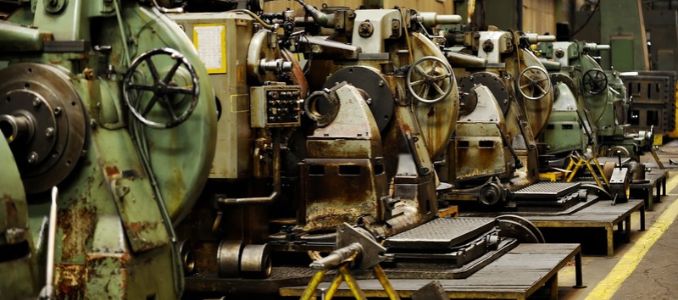
Vintage machinery in an old factory.

What Workplace Safety History Can Teach Today's Safety Professionals

More than a century of workplace tragedies and reforms helped shape today’s safety requirements. Understanding that history can help safety professionals reinforce why established controls still matter.

Large 3D gold letters spelling BRICS in front of the national flags of Brazil, Russia, India, China, and South Africa.

How the BRICS Summit Could Shape Occupational and Environmental Health and Safety

BRICS cooperation could shape worker protection, industrial safety and environmental health across emerging economies.
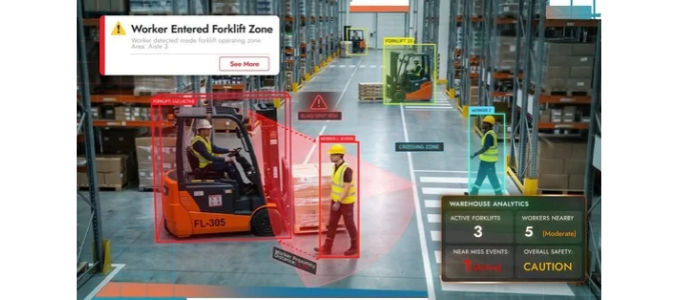
An AI vision monitoring display inside a warehouse alerting when a worker enters an active forklift hazard zone.

Why AI Could Become Standard in Logistics Safety by 2030

As warehouses and distribution networks adopt more automation, safety teams are beginning to rethink how they identify risks created by the movement of workers, vehicles and machines.
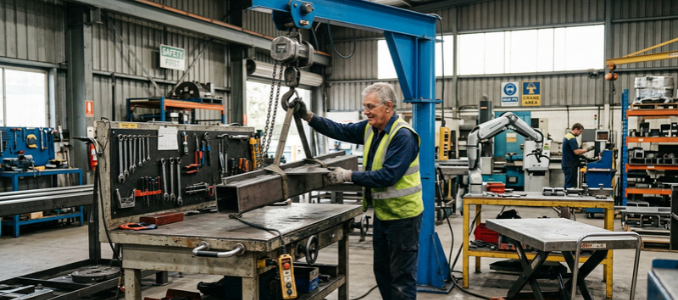
An older worker wearing a safety vest guiding a metal beam attached to a blue industrial crane in a workshop.

When the Workforce Ages: Preventing Falls, Strains and Severe Injuries

Older workers are injured less often, but age-related changes can make injuries more severe, costly and difficult to recover from.
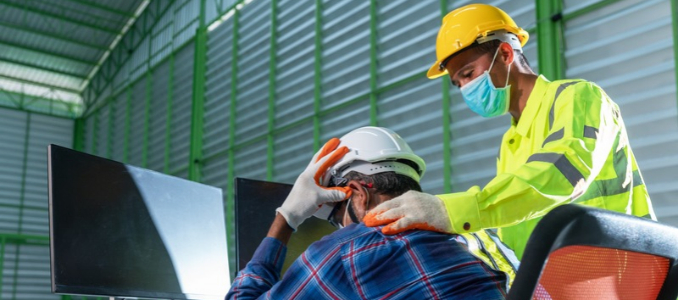
An industrial worker holding his head and neck in pain from a musculoskeletal strain while a safety-clad colleague checks on his neck discomfort.

The Best Injury Is the One That Never Happens: A Proactive Approach to Workplace MSK Health

Employers can identify musculoskeletal risks earlier by evaluating job tasks, tracking worker discomfort and providing job-specific movement training.
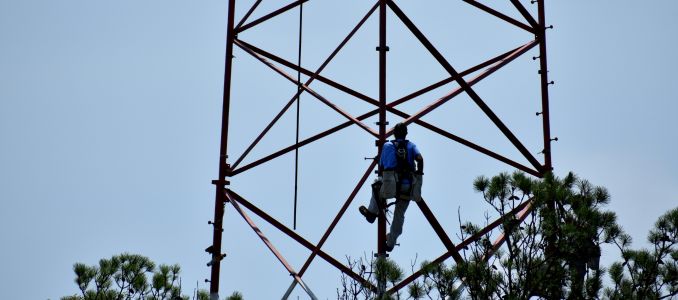
Worker wearing a safety harness climbs a steel tower.

Lone Worker Safety Matters More Than Ever Before. Here's Why

Lone worker safety requires attention to fatigue, communication gaps, emergency response and trust in monitoring technology.
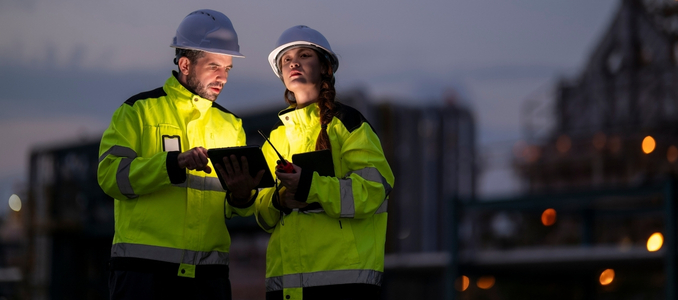
Two industrial workers wearing hard hats and high-visibility jackets review data on a tablet at dusk.

Why Safety Technology Needs to Fit the Way People Work

Four practices for adapting safety workflows while maintaining consistent compliance data.
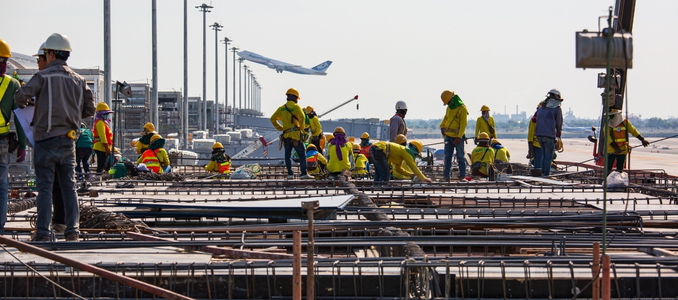
A large team of construction workers wearing hard hats and high-visibility vests work on a rebar-covered structure, with an airplane taking off in the background near an airport terminal.

From Air Horns to Mass Notification: How JFKs New Terminal One Elevated Construction Safety

Lessons learned from implementing site-wide emergency notification during construction of one of the largest airport terminal projects in North America

Safety professionals receiving training.

Who Will Fill the Next Generation of Safety Roles?

Reskilling workers from operational, military and public safety roles could help address the growing shortage of OHS professionals.
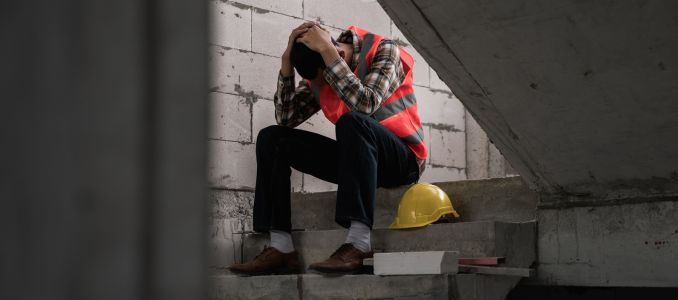
Depressed Worker

Beyond the Hard Hat: Making Mental Health Part of Safety Culture

Recognizing the signs, starting conversations, and reducing stigma can help create safer, more connected job sites.

Featured

Artificial Intelligence