
Currently there are six metal shredding facilities in the state. The California Department of Toxic Substances Control plans to set enforceable operating requirements for metal shredding facilities through a hazardous waste permit.

"Never before in this series of data have these percentages been so low, providing evidence that the 2017 American workforce was more secure in their jobs than at any other time that this survey was taken," DOL said in a statement about the new BLS report.

"The 1st Circuit's order requires Lessard to ensure that all workers at his work sites, whether his employees, employees of his subcontractors, or actual or putative independent contractors, are operating safely, after a long history of his failing to provide adequate protective measures," said Michael Felsen, Regional Solicitor of Labor in Boston.

Thirty-five states and tribal organizations nationwide are eligible to apply. SAMHSA says the desired outcomes of the grant program are to increase the number of people receiving medication-assisted treatment for their opioid use disorder and a decrease in heroin use and prescription opioid misuse.

The annual conference in 300-year-old San Antonio is the coming out party for the newly christened American Society of Safety Professionals.

Choose hand protection solutions via form, function, and fit.
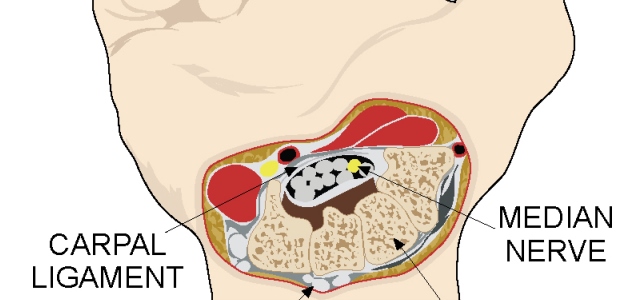
Although CTS is a strong driver of workers' compensation costs, lost wages, lost productivity, and disability, there is still a limited understanding of its frequency and causes in working populations.

When outfitted with the proper lens tint, workers benefit from reduced eye strain, enhanced visual perception, and increased safety and productivity.

The next time you are around any hazard, remember to focus on the presence of the hazard and not allow your mind to get lost in unrelated compulsive thought.

These systems are used for security purposes, but they are also used for much more, including operations, maintenance, and safety.

The standard is specifically designed for industrial gloves and the special protection they offer to workers.

We humans are great at connecting dots when information is missing. The downfall of that is it leads to inaccurate assumptions, which lead to consequential actions, which lead us toward unplanned and often unwanted results.

Good safety practice requires that workers take responsibility for their own safety and that of their co-workers. But it's also important that organizations empower them to do so.

"Keep spreading the word, teaching the public, and pushing for AED access laws in your communities. Stories like mine are the best teaching tools," says SCA survivor J.R. Bourne.

Employers can and should test employees for illegal prescription drug use and illicit drug abuse. Further, employers may test job applicants pre-employment and continue to monitor for abuse in the workplace.

Many workplace drug and alcohol testing policies do not define "refusing to test" and provide no disciplinary consequences for it. This is a serious mistake.

Your employee safety incentive program should feature job-specific goals and objectives that are clearly defined and measurable.