
"I always have and I always will fully support medical cannabis for our people who are in so much pain that their physicians deem it absolutely necessary," Gov. Jim Justice said. "I will say, adamantly, I am one hundred percent against recreational marijuana."

All hazards must be identified before entry to the space and listed on the permit.

The protective measures and equipment that welders require are spelled out in OSHA's 29 CFR 1910.252, the welding, cutting, and brazing standard.

AVTs help reduce the risk of exposure to electrical hazards and improve worker safety by automating and simplifying the process of verifying the absence of voltage.

Eye care professionals strongly recommend taking breaks throughout the workday to reduce eye fatigue and unnecessary eye strain.
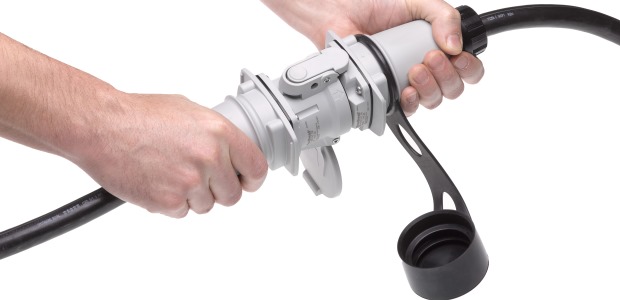
New solutions expedite the lockout/tagout process and provide clear line-of-sight disconnect for operators.

Accounting for employees in the event of an emergency is vital. The Emergency Action Plan should address how to accurately account for all employees.

Training workers is vital in making sure the PPE is doing its job in protecting the users.

Job applicants cannot be and should not perceive being disqualified solely based on the existence of a medical condition.
Best leaders watch and avoid falling into leadership potholes while steadily moving toward better Safety and performance.