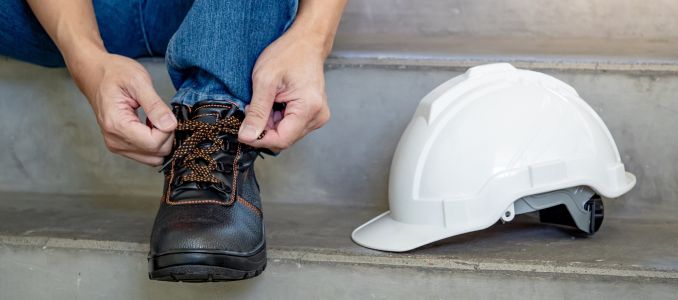
Choosing protective footwear based on workplace hazards, fit, and performance features—not just toe protection—can improve comfort, reduce injury risks, and help workers stay safe throughout every shift.
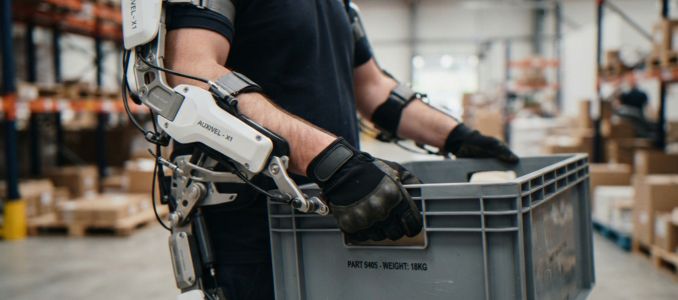
Backed by long-term field data and growing industry adoption, wearable exoskeletons are emerging as a practical tool for reducing musculoskeletal injuries, improving worker retention, and complementing traditional ergonomics programs in warehouses and distribution centers.

Recordable injury rates tell only part of the safety story. Organizations that identify precursor conditions, verify critical controls, and focus on high-energy hazards are better positioned to prevent serious injuries and fatalities.

Buildings are designed with multiple layers of protection to safeguard occupants during emergencies, but those safeguards are only effective when facility managers and employees preserve them through proper maintenance, training, and day-to-day operations.

Simply installing an automated external defibrillator isn't enough. A truly effective AED program depends on planning, maintenance, training and readiness.
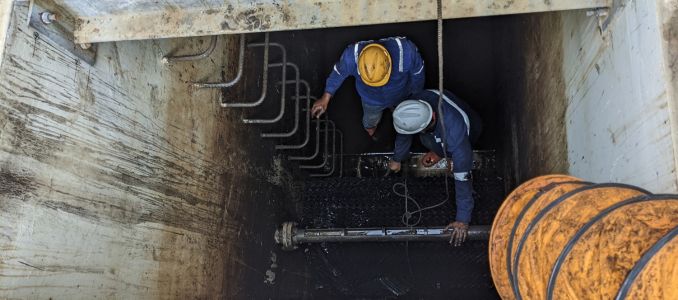
More than 30 years after OSHA's confined space standard was introduced, workers continue to die in enclosed spaces. Understanding atmospheric monitoring, rescue planning, and common misconceptions can help close persistent safety gaps.

Effective combustible dust prevention begins with understanding facility-specific hazards. Dust testing, hazard analyses, engineering controls, housekeeping, and employee training work together to reduce fire and explosion risks while supporting safer operations.
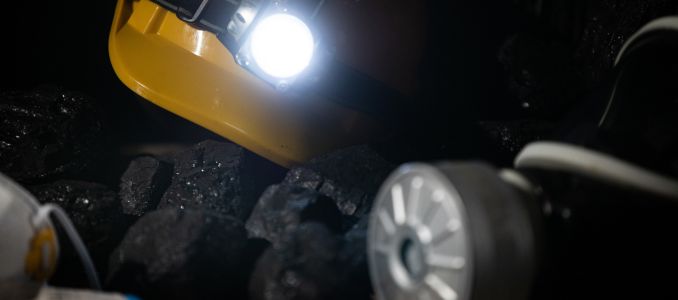
Effective combustible dust safety depends on more than controlling ignition sources. Selecting appropriate portable lighting for classified environments can improve visibility, strengthen inspections, and support safer maintenance and emergency response activities.
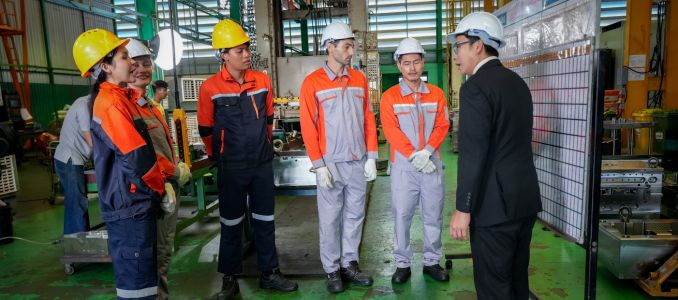
Effective HazCom training goes beyond OSHA compliance. Learn how stronger instruction on labels, Safety Data Sheets and emergency response can help employees recognize chemical hazards and work more safely.

The 2026 revision expands optional testing for retention, chin straps and multidirectional impacts without replacing current classifications.