
Recipients were recognized for work in injury prevention, construction safety, risk management and safety leadership.

Incident data, worker feedback and control effectiveness can help employers prioritize investments when resources are limited.
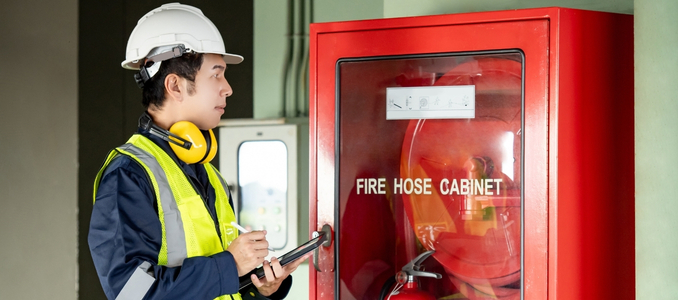
The resource cites OSHA standards 1926.150 through 1926.157 for construction fire protection.

Construction Suicide Prevention Week turns awareness into action to save lives.
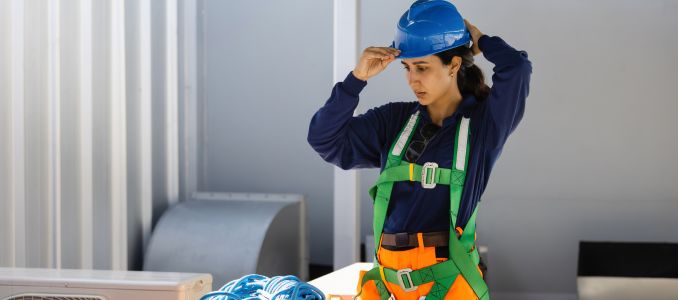
Properly fitting personal protective equipment is essential for protecting women in construction while improving comfort, confidence, and worker retention. Expanding research and involving tradeswomen in PPE design can help close longstanding gaps in workplace safety.

Successfully implementing safety monitoring tools requires more than selecting the right technology. Clear communication, thoughtful onboarding, privacy safeguards, and ongoing employee engagement help organizations strengthen safety culture while improving emergency response.

Environmental hazards, housekeeping, and human behavior all contribute to slip, trip, and fall incidents. Organizations that address these interconnected risks together are better positioned to achieve lasting improvements in workplace safety.

From emerging technologies to peer-to-peer learning, attendees are discovering practical ideas they can take home to strengthen workplace safety.
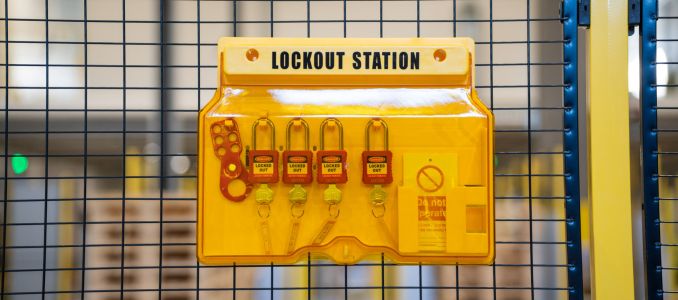
Complacency, production pressure, and routine work can undermine even well-designed lockout/tagout programs. Reinforcing communication, leadership, and safe work habits helps ensure hazardous energy control procedures are followed consistently.

Modern gas monitoring systems are evolving from standalone detection devices into connected safety platforms that provide real-time visibility, improve emergency response, and strengthen situational awareness across industrial operations.