
Experts at the 2024 Fenestration and Glazing Industry Alliance (FGIA) Fall Conference discussed trends in ballistic glass, school security and blast-resistant windows.
The changes intend to improve services provided to the organization’s 35,000 members.

OH&S Executive Editor David Kopf shares the biggest highlights at the 2024 NSC Safety Congress & Expo in Orlando.

The annual safety event will take place in Denver from Sept. 15 to 17, 2025.

SPONSORED
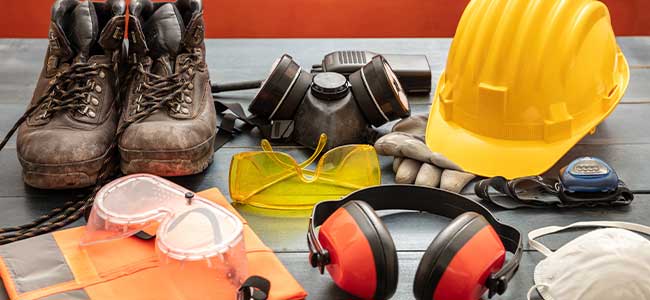
The industrial trades are key to keeping the economy running, but they are also among the more dangerous professions.

In her closing keynote at the NSC Safety Congress, Dr. Kate Darling emphasized the importance of a balanced and ethical approach to AI and robotics in workplace safety.

Color rendering is a critical safety factor in hazardous location lighting, impacting visibility, color accuracy, and risk mitigation beyond basic brightness levels.

Effective safety training prevents workplace falls by increasing awareness, improving hazard response and fostering proactive measures.

Five key safety standards are crucial for preventing occupational lung diseases.

During a panel discussion, OSHA reviewed the most cited standards for specific causes of fatalities.