Safety observations are an important piece of the puzzle in transforming an organization's safety culture. They shine a light on workplace behaviors and safety conditions. Safety observations, if done well, should make safety conversations second nature, reinforce safe work practices and show trends in unsafe work practices.
The Environment Agency also has launched its Flood Action Campaign, which targets younger people through social media and online advertising to encourage them to check their flood risk, sign up for free warnings, and be prepared to take action when flooding hits.
"There is no doubt that the sharp increase in fines over the past two years is the subject of regular discussion in boardrooms up and down the country," two lawyers report on the second anniversary of the new sentencing guildline.
While visiting Thailand, Director General Yukiya Amano said important progress has been made in its use against mosquitoes. Vector-borne diseases such as dengue, chikungunya, Zika viral disease, and yellow fever are becoming important public health problems in many countries in Southeast Asia, he said.
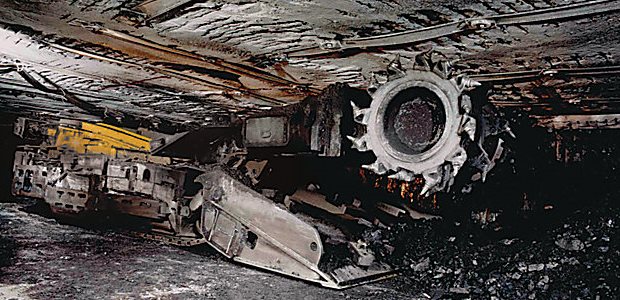
Many mine operators already have installed proximity detection systems in accordance with the regulation. MSHA posted a reminder to make sure the rest are in compliance by the deadline.
The Florida Highway Patrol is recognizing Hit and Run Awareness Month in February and reminding all motorists to stay at the scene when involved in a crash.

Together they have developed resources for the window cleaning industry, and IWCA has supported OSHA outreach campaigns such as the National Safety Stand-Down to Prevent Falls in Construction, Safe + Sound Campaign, and the Heat Illness Prevention Campaign, while also providing training to its members on the new requirements for OSHA’s Walking-Working Surfaces and Personal Fall Protection Systems standard.
ISO 31000:2018 is a shorter and clearer guide to help organizations improve planning and decision-making through the use of risk management principles.
"The price we are paying for mobility is 40,000 lives each year," NSC President and CEO Deborah A.P. Hersman said. "This is a stark reminder that our complacency is killing us. The only acceptable number is zero; we need to mobilize a full court press to improve roadway safety."
The siren tests take place at the Louisa, Va., nuclear power plant on a quarterly basis: Feb. 21, May 16, Aug. 15, and Nov. 14.