Episode 23
In this mini episode of OH&S SafetyPod, Editor Sydny Shepard discusses the NCS's prediction for road injuries and fatalities this Labor Day Weekend, the first confirmed case of COVID-19 reinfection and the new AIHA guidance for first responders.
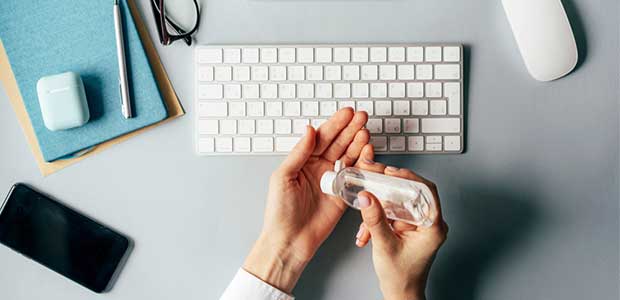
The FDA has released a list of products you should not use due to toxic ingredients. Is your hand sanitizer on the list?
Contact tracing has become one of the key tools to track and fight the spread of the coronavirus. While there are thousands of contact tracers working to follow the path of the virus, there are not nearly enough—and many are finding that people are uncooperative.
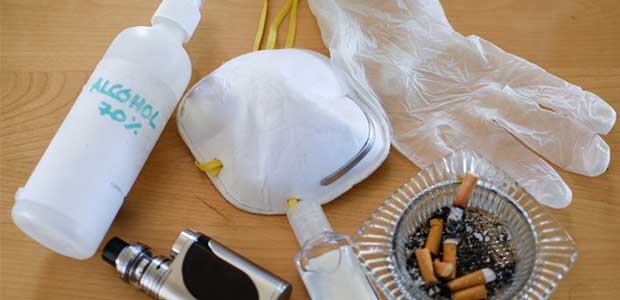
Scientists have long speculated that vaping can exacerbate a person’s likelihood of getting COVID-19 or having a severe case, and one recent study by the Journal of Adolescent Health is the first to find conclusive results on the topic.
The University of Birmingham recently released a press release about how individuals can reduce their exposure to pollution with simple solutions such as closing windows or changing route.
Get ready for a “mega-campaign” of flu immunization efforts across the country in parking lots, doctors’ offices and socially distanced appointments. Here’s why it’s important, and how to do it safely.
Collecting, coding, analyzing and reporting industry and occupation data from COVID-19 cases is crucial to informing public health strategies to reduce the impact of the pandemic on workers. One NIOSH article gives some examples.

As the school year begins, a national poll and NPR article show that most teachers have significant concern about returning to the classroom, and most prefer to start the year online.
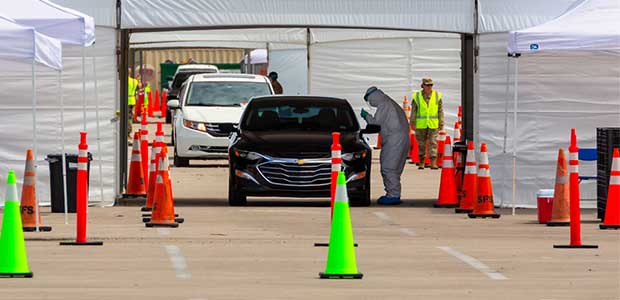
As businesses continue to grapple with the question of how to reopen safely, a number of big tech names are stepping up and offering testing and contact tracing COVID services to employers.
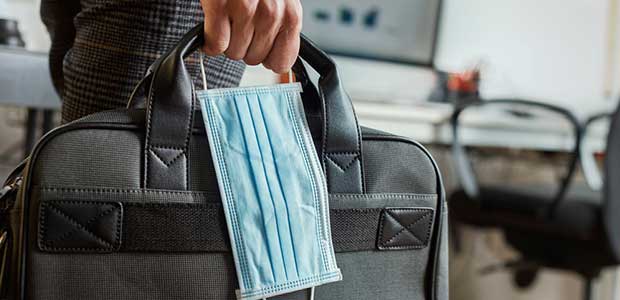
Some office workspaces have returned to in-person work again, and that is leaving a number of workers anxious, stressed and ashamed of their sanitation efforts—or lack thereof. Here’s how to manage that anxiety, and how to talk to your employer.

A Q&A with worker safety professional, Tom Lotz, on how the pandemic has changed lone worker safety.
Before the pandemic, it seems that the vast majority of the population did not give PPE a second thought. That has changed.
Construction companies are familiar with safety and mess-control; however, with the COVID-19 pandemic, there are some more factors to consider when working at healthcare facilities.

One question often asked by end-users is: what performance level is appropriate for dorsal impact glove application needs?
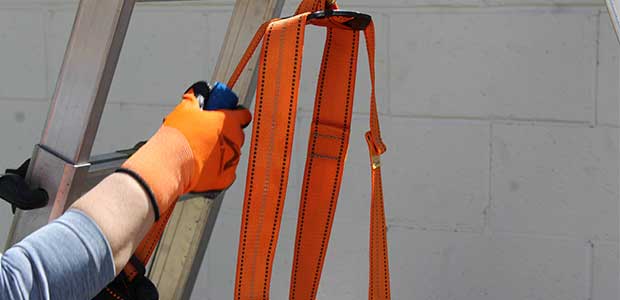
By now we all know to wash our hands, but what should be done with shared PPE, such as full body harnesses and fall protection lanyards?
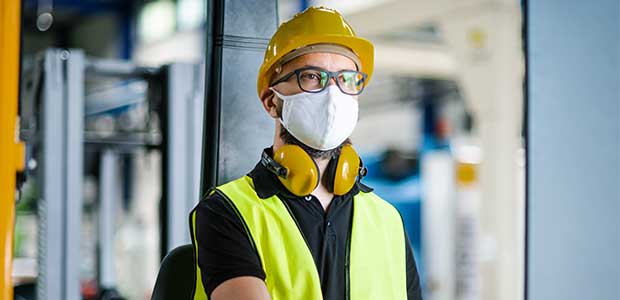
As workplaces begin to reopen, safety managers are working to ensure their employees have the proper face masks or respirators and know how to use them correctly.
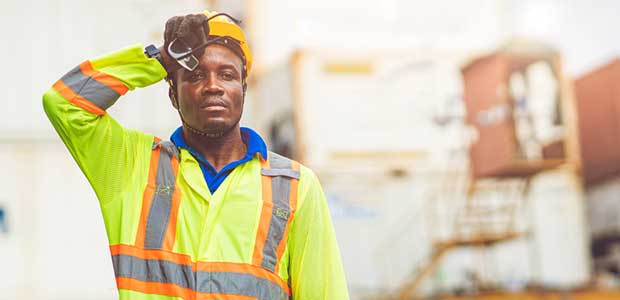
Today, July 31, 2020, is National Heatstroke Prevention Day. Many people and children die each year in hot cars—here are some ways you can prevent an accident in the heat.
Many employers are preparing to have team members return to worksites as stay-at-home orders and restrictions ease, and here are some safety tips to keep in mind.
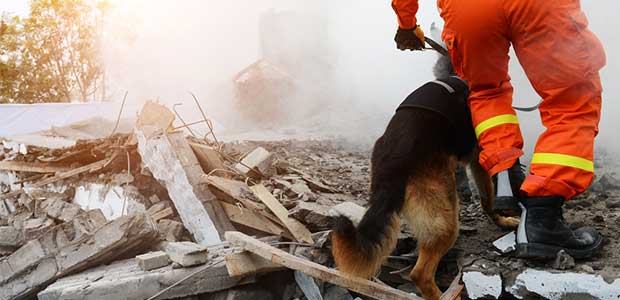
The National Resource Defense Council (NRDC) just released a report that argues how climate disruption is a growing danger to the health of indoor and outdoor workers. Read what the NRDC and researchers have to say.
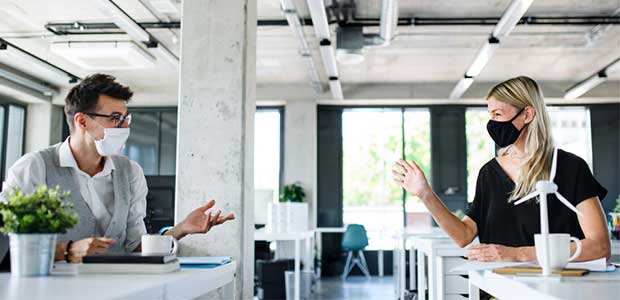
A recent article from the Los Angeles Times uses California workplaces and regulations to answer the question of ‘what makes a workplace safe?’ The answer involves a comprehensive, holistic approach to a healthy, safe workforce.