If you are a small business that has decided to reopen for business, how can you work to create a safety culture, now and in the age of ‘the new normal’?

Face coverings are recommended across the country and required in many places. But how do you know what type of mask, or fabric, is best? Here’s a user guide to understanding your options.
Earlier this week, casino workers sued Las Vegas casinos after reports that many workers fell ill to COVID-19. The lawsuit complains that the casinos did not require workers to wear face masks.
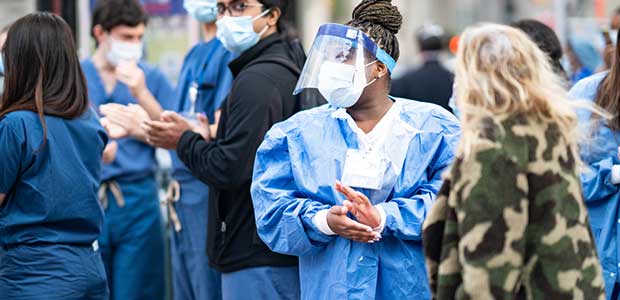
Back in May, “hero” pay for essential workers largely ended. Now, unemployed individuals are making more than many essential workers who are wondering what they are worth.
The CDC, OSHA and FDA recently published an advisory for seafood processing workers and COVD-19 protections.
Hospitals and healthcare facilities are working overtime to keep up with the increasing numbers of coronavirus patients coming in, and in some areas, hospitals are at near full capacity. While healthcare workers are trying to do their jobs and stay healthy with limited staff and PPE, many are facing threats and fearing for their own safety.
Diabetes affects many workers, and it's important to know how to prioritize their health and manage unique risks.

The world today seems far from "normal." However, managers and employers need to understand how to implement the "new normal" for their workers through leadership, communication and input.
Before sending employees on any trips, business managers have to make the health of employees a top priority and take measures to ensure their safety.

Summer heat will affect everyone, but it will be particularly hard on those working in agriculture, spending long hours outside in the blistering temperatures.
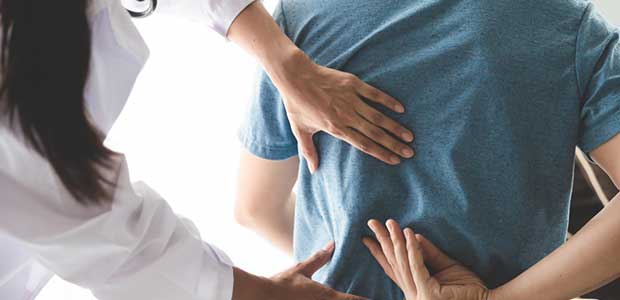
On-site clinics are increasingly popular in workplaces, and for good reason. Not only do employees need to monitor their physical and ergonomic health, employers save money by protecting their workers.
A recent study by SleepStandards surveyed over 1,000 Americans on their sleep habits during and post-lockdown. As it turns out, people are getting less z’s and paying the price for it.
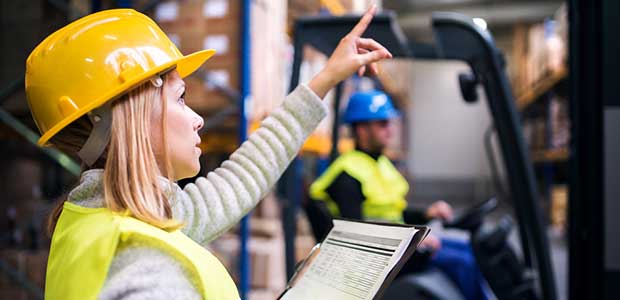
Safety is as critical an element as production to an organization, but why doesn’t the message always resonate up to the top of every organization? Here are some checks and balances you can utilize to better prioritize safety.
OSHA just released guidance for workers and employers involved in providing emergency services such as emergency medical services (EMS) and medical transport, fire and rescue, and law enforcement. Here’s what you should know.
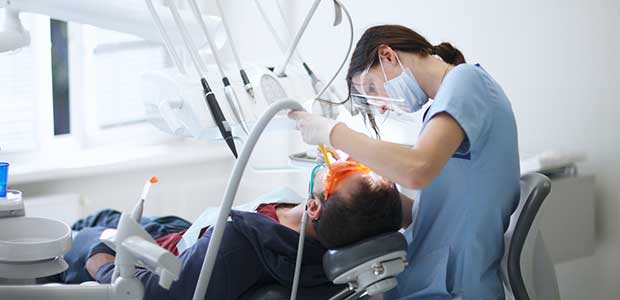
After dentist offices were forced to close for nearly two months, they are finally able to reopen—but many are taking new and extensive precautions to protect against COVID-19 including better air filtration and more PPE.
OSHA has released a resource guide for frequently asked questions regarding the use of face coverings, respirators and masks in the workplace. Here's what you should now.
As the country reopens, NSC safety advocates warn employers to prepare for a surge in addiction issues and offer guidance for proper handling.
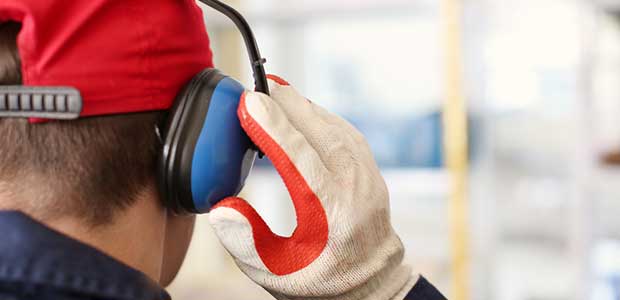
Over the last few months, Examinetics has collected information from audiologists on hearing conservation programs and hearing health in general. Read the Q&A here!
A recent NPR article explains how the meatpacking industry is not the only food industry facing COVID outbreaks. The seafood industry in the Pacific Northwest in particular had 92 of its employees on one ship fall ill.
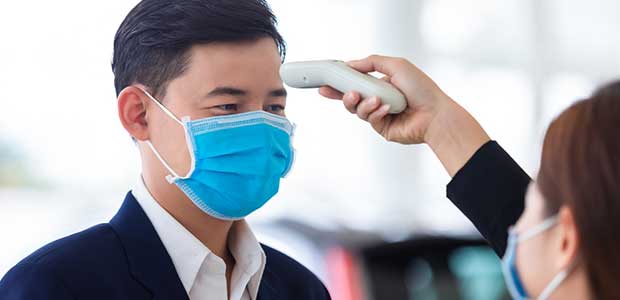
With little federal guidance on how to reopen and operate workplaces during and post-pandemic, employers are questioning their responsibility to test or not test employees for coronavirus.