NIOSH and the CDC discuss the burden many healthcare workers face with prolonged use of PPE during long shifts. If your workers are required to wear PPE for long periods of time, be aware of these side effects and tips on how to mitigate harm.
On July 26, the United States will recognized the 30-year-anniversary of the landmark Americans with Disabilities Act of 1990 (ADA).
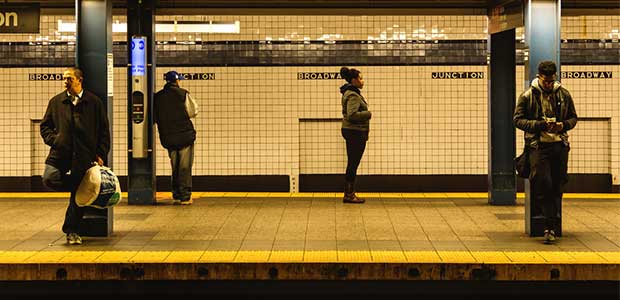
New York University’s School of Global Health to study the physical and mental health impact of COVID-19 on transit workers.
OSHA has cited healthcare company OHNH EMP LLC for violating respiratory protection standards following an inspection after the company reported the coronavirus-related hospitalization of seven employees.
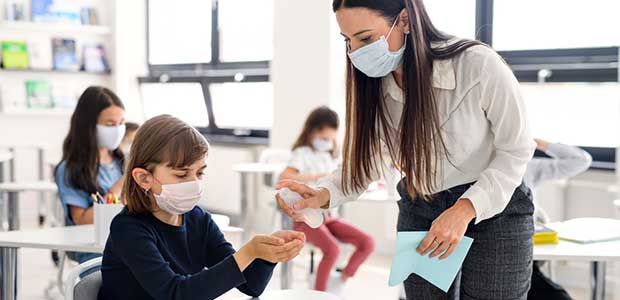
As fall quickly approaches and schools consider reopening, many wonder if teachers can be considered essential, front-line workers. Traditionally, teachers have not been considered “essential,” but that might be changing.
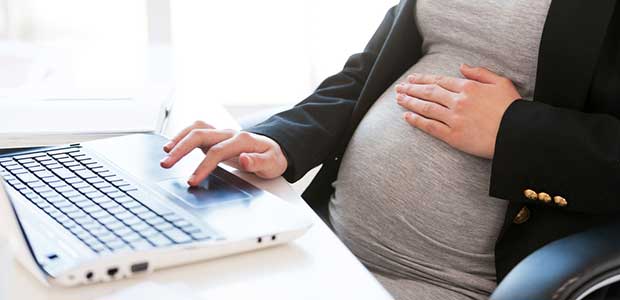
Pregnancy discrimination in the workplace—direct or indirect—can have effects on the woman and baby’s health. Make sure you are supporting and respecting your pregnant workers, especially with new legislation.
An OSHA guide helps define work-related asthma, informs you why you should care and tells you what to do if you have asthma from work.

The coronavirus pandemic and its social distancing, work-from-home implications had many experts worry that Americans would become overwhelmed with loneliness. While mental health and loneliness have definitely worsened, people are surprisingly good at staying connected, studies show.
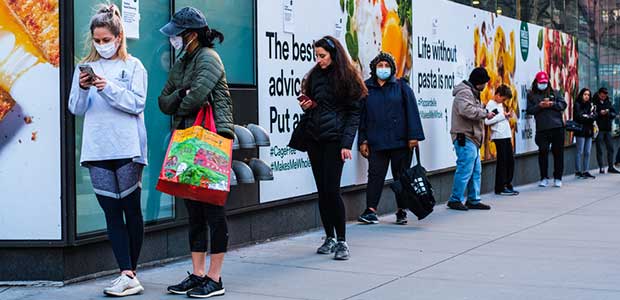
Many states are now enforcing mandatory mask orders to combat rising coronavirus cases across the nation. Mounting evidence suggests masks significantly reduce the transmission of the virus, and experts from the CDC say good mask wearing could mean improvement in two months.
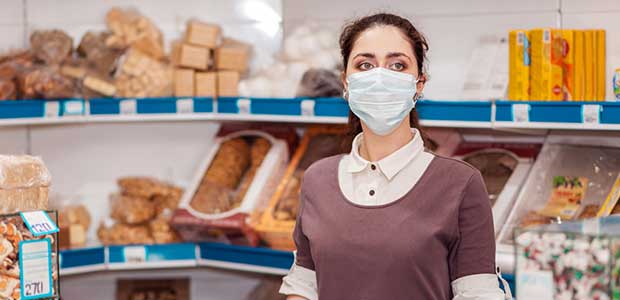
Healthcare is hard to come by in America without a salaried job, and many with hourly wages and preexisting health conditions are more worried about unemployment than coronavirus. Here’s why the sickest and most vulnerable might be coming to work first.
You can participate in OSHA’s Safe + Sound week next month to commit to workplace safety and health. This nationwide event recognizes the successes of workplace safety and health programs and offers important information for the safety of America’s workers.
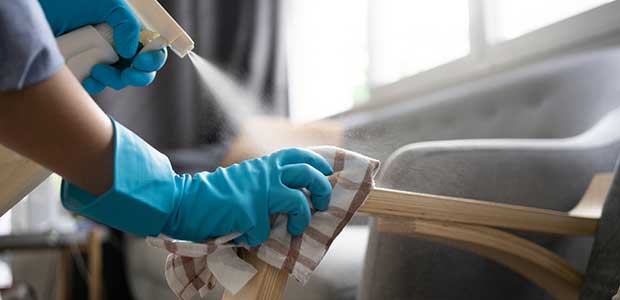
The pandemic is still here, but domestic helpers and housekeepers need to work and families want the services. How do both parties resume work safely? The answer is about trust, safety and communication.
The fight to give workers more days off for paid sick leave is not a new fight, but the recent pandemic has made advocates for this benefit much louder. Now, Colorado has put a somewhat comprehensive one into law.
With coronavirus, social distancing and work-from-home orders, we have to get creative on how to connect with coworkers and stay healthy. People are beginning to hold “walking meetings” at six feet apart to kill multiple birds with one stone.
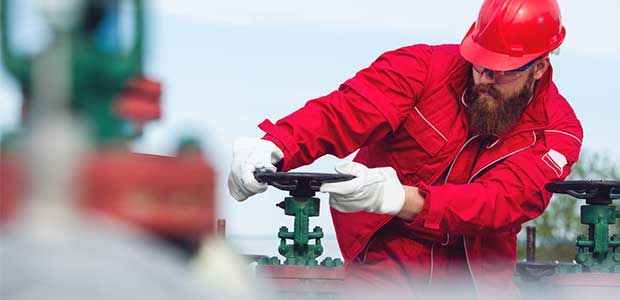
Here’s a roundup of some of the latest PPE technologies and why these claims are the new reality.
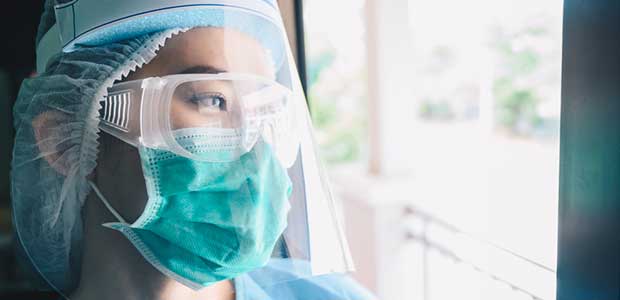
The coronavirus pandemic is looking a lot like it first did back in March when hospitals were at nearly full capacity, and healthcare workers were short on PPE. It is a frustrating recurrence of a situation all too familiar.
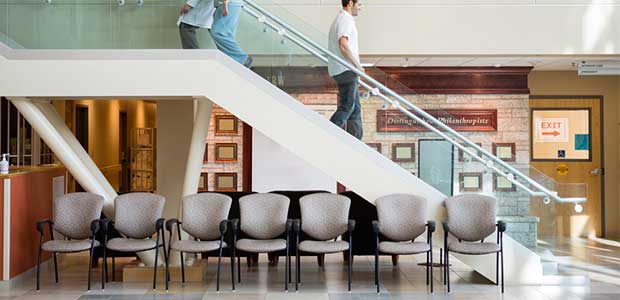
Frontline healthcare workers face enormous amounts of stress, and burnout is common. Here are six ways you can facilitate emotional wellbeing for your healthcare workers—just by rethinking the environment they work in.
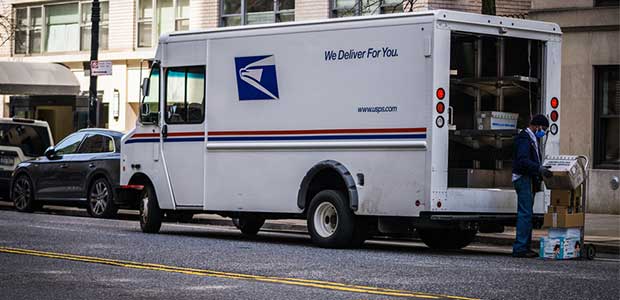
Recent studies have shown that a number of factors like income, gender and race increase a person’s risk of contracting COVID-19 or suffering from the pandemic. It is important that employers understand these risks they can better protect their workers.
While pregnant women are not considered at higher risk of contracting the coronavirus, it is worthwhile to understand how to ensure a safe delivery—and how to be a pregnant or a working mother during a pandemic.
OSHA has published frequently asked questions and answers about the coronavirus pandemic to help protect workers from exposure.