Despite the pressures leadership may feel to return to work, there is a core truth they may not want to face: Rushing back to the way things once were increases the risk of failure in the present.
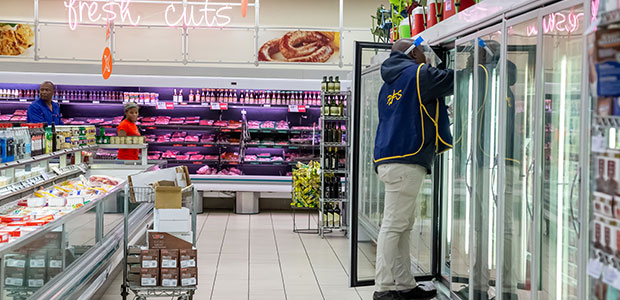
Mental health resources are important for any worker, but during this pandemic, essential workers have needed support more than ever. Many think that for essential workers, the serious need for mental health care may long outlast coronavirus.
Workers in office buildings may be at risk for exposure to COVID-19, so ensuring that the building is safe and prepared for in-person work is crucial for the safety of employees. See what the CDC recommends for your office building.
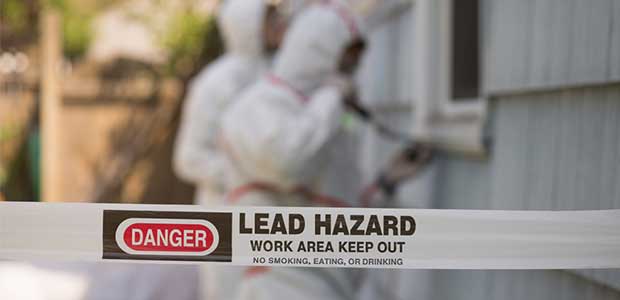
Lead poisoning in the workplace is not only deadly for workers but can also mean legal repercussions for your business.
Staying healthy amid the many different nuances the pandemic has brought to fruition can be especially tricky for those who live with heart conditions. Fortunately, heart health can be managed successfully at home .
The COVID-19 pandemic has taken its toll on nursing homes around the country. Not only are many elders falling ill, but many nursing home and care workers are trying to mitigate the responsibilities of their job and others’ safety.
Oxygen is a life-essential element that many take for granted; we only note its critical lack when oxygen is diminished or entirely absent.
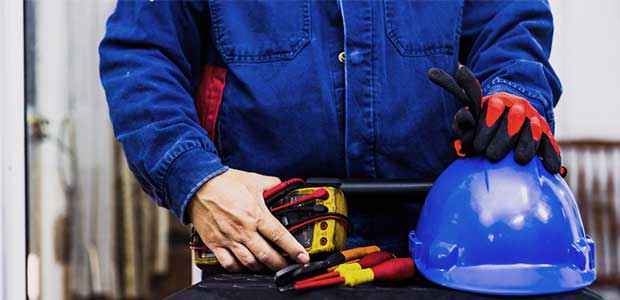
It’s more important than ever to not lose sight of fundamental protection programs and protocols.

Addressing heat stress in the workplace will not only keep your workers safe and productive, but it can also prevent employee turnover.

Maximize employee safety and wellness initiatives through a behavior-based safety process as part of an employee recognition program.
When working in environments of extreme heat, your clothing and its materials matter for your comfort and safety.

Those who do not respect the sun’s almighty powers may ultimately find themselves in a world of skin damage.
In a COVID-19 world, social distancing and washing your hands are two of the most important safety measures. However, enforcing that in public and workplace bathrooms might be challenge.
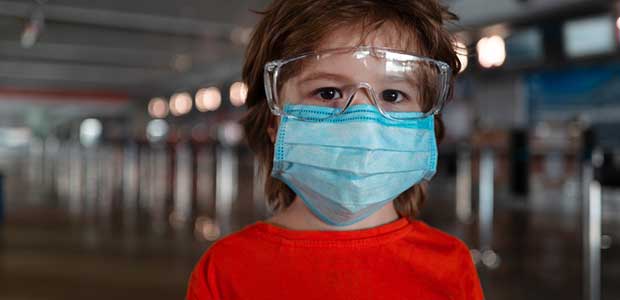
Recent discussions about the possibility of contracting the virus through our eyes are beginning to buzz. Scientists are still studying the virus for the answer, but here’s what experts have to say about the likelihood of eye-contraction and if goggles are necessary.
People are starting to loosen their social distancing practices and mask wearing—but the pandemic is not over. Here are some tips on how to go out while staying as safe as possible.
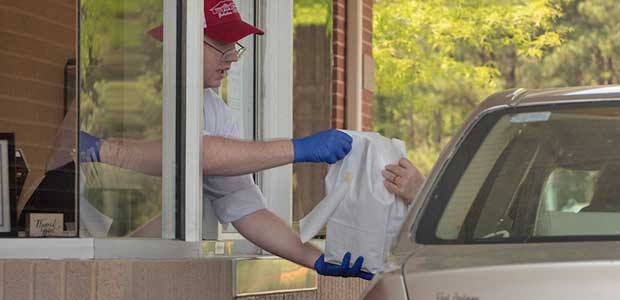
Mask ordinances vary by state and county, and many people believe the US is past the worst of the pandemic. But as workers in essential business are saying, they feel safe among themselves (with PPE and sanitation), but many customers are throwing caution to the wind.
A recent report from the National Safety Council (NSC) shares some surprising and tragic news: fatalities from motor vehicle crashes jumped 14 percent in the month of March despite quarantines.

We’ve heard about ways to avoid burnout in various jobs, but what about burnout when working from home? Here are some things to watch out for and some tips on how to avoid it.
As businesses begin to reopen, many Americans are still wary of going to work, or cannot because they lack access to childcare. Here’s what you need to know, according to one NPR article.
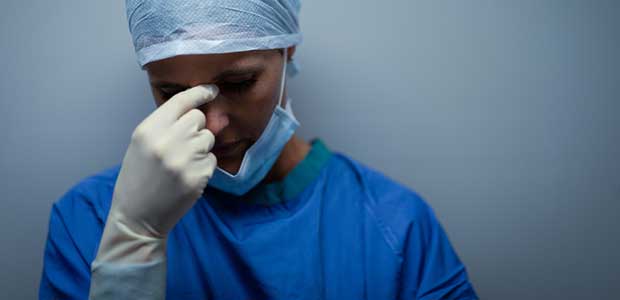
It’s no question that medical workers suffer some traumatic and difficult situations on the job, but during the pandemic, their mental health has taken a very hard hit. One article recounts the stories of some workers’ struggles with PTSD, anxiety and even suicide during this time.