DOE's Pacific Northwest National Laboratory developed the virtual reality tool. The Vienna conference had 700 participants sharing ideas, experiences, and best practices to strengthen the physical protection of nuclear material and facilities against theft or sabotage.

The comment deadline is Nov. 27, but only a handful of comments have been posted.
"In order for America to continue to be a world leader in aviation, we must search for ways to address our country's pilot shortage, invest in our nation's workforce, and ensure that our veterans have the support they need as they transition to the next phase of their careers," Transportation Secretary Elaine Chao said.
OSHA final rule this month sets Nov. 10, 2018, as the date for employers in U.S. construction industries to comply with a requirement for crane operator certification.
The Level 3 qualification forms part of IOSH's plan to "enhance" the safety and health profession, which is part of its WORK 2022 five-year strategy.

The turnout was a record number, and Commissioner Daniel credited a recruitment campaign for "drawing interest in a firefighting career from more young men and women than ever before."
"We're pleased to award these grants to employer groups, labor organizations, and other non-profits that have demonstrated innovation and diversity in their training programs," MIOSHA Director Bart Pickelman said. "We appreciate the collaborative effort of these grantees and their mutual commitment toward preventing workplace injuries and illnesses."
Kathleen Kleinmann, CEO of TRPIL and a licensed home care provider, said the CNA apprentices "will gain invaluable hand-on training and the skills needed to provide quality community support services to consumers in a home care setting. This training will help our nurses to safely perform their job duties and provide people with disabilities with a vital service to help them transition from care facilities to living independently in their homes."

Part of the appeal of microlearning is that it can be administered just-in-time and just enough. And it makes learning an ongoing process.

The assumption is that all the accrediting organizations and CMS will be looking more deeply at Emergency Management standards starting this November.

Not being able to rescue a worker from a confined space has a devastating impact on the company and, more importantly, the employees.

Thorough fall protection requires a culture of safety as well as OSHA-certified fall prevention measures.
IMO said this key instrument applicable to fishing vessels is still not in force. This means there are no mandatory international requirements for stability and seaworthiness, life-saving appliances, communications equipment, or fire protection, as well as fishing vessel construction.
The Nov. 2-4 event is focused on workplace behavioral and cultural issues, with active shooter response, treating opioid overdoses, CPR, and a spirometry refresher course also on the program.
An executive order from President Donald J. Trump called for the secretary of Labor to establish a Task Force on Apprenticeship Expansion that will identify strategies and proposals to promote apprenticeships, especially in sectors where apprenticeship programs are insufficient.
"We're pleased to sign this alliance that brings together our organizations to expand education, outreach, and information sharing throughout the state," said MIOSHA Director Bart Pickelman. "We particularly look forward to engaging smaller contractors to assist them in developing an appropriate safety and health program for their job sites."
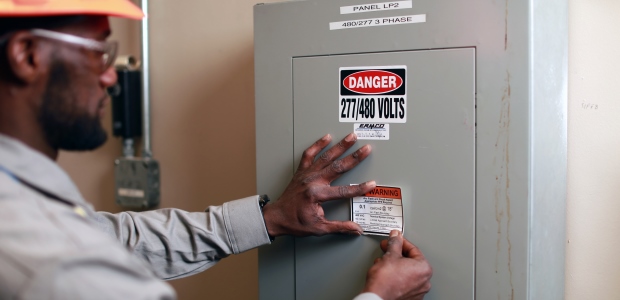
Are you prepared to make the changes in your facility for the 2018 NFPA 70E updates?

Add in two backups in case of a widespread disaster. Many companies have an emergency call back, but if there is widespread power or cell outage due to winter events, what is the backup?

Corporate-level crisis planning should become an integral part of your chemical training program—and the formula for creating an effective cross-company drill.
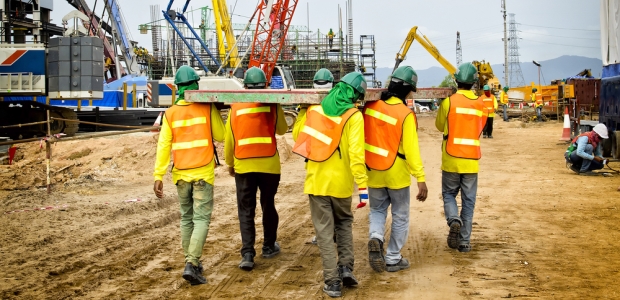
Many of today's on-demand training solutions are highly affordable and scalable, offering hundreds of individual lessons that can be deployed to workers based on their specific training needs and requirements.