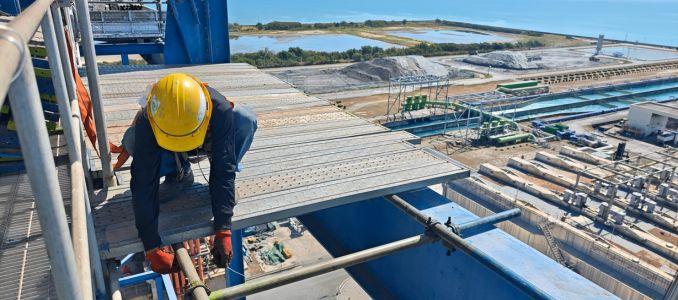
The difference between worksite risk and reliability lies in rigorous inspection, clear accountability, and the shift toward digital safety tracking.
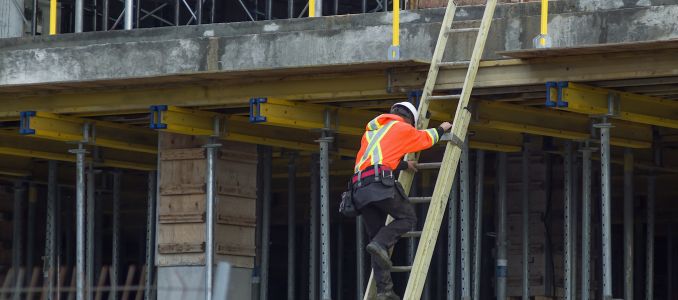
Thousands of ladder-related injuries happen every year, often because the wrong ladder is used. Understanding ladder types, height requirements, duty ratings, and materials can reduce fall risk and improve safety at elevation.

Why skylights and roof openings continue to cause serious injuries during routine work.

OSHA’s revised fixed ladder rule requires fall protection systems for ladders over 24 feet. Here’s what safety leaders need to know.

Fall survivor Jason Anker MBE explains why physical PPE isn't enough to stop the industry's leading cause of death.
March marks the 10th anniversary of National Ladder Safety Month, and Pat McAuliffe of the American Ladder Institute and Ryan Mittelmeier of Werner share insights on common ladder safety mistakes, practical jobsite corrections, and how employers can use free Ladder Safety Month resources to strengthen their programs year-round.

DME Construction Associates will pay $600,000 and implement enhanced fall protection and safety measures following an OSHA investigation into a fatal workplace fall.
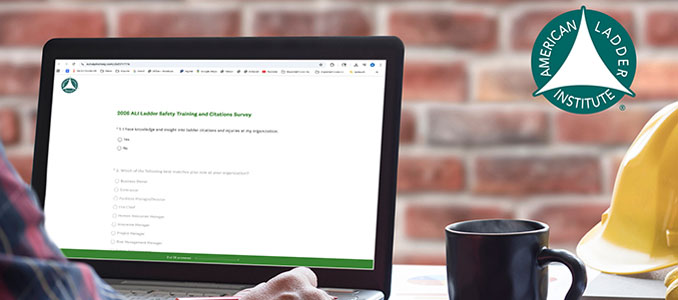
Survey will track ladder safety training, injuries, and OSHA citation trends across U.S. workplaces.
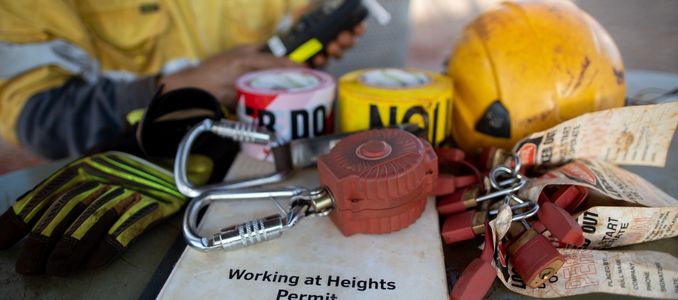
Annual fall protection inspections help building owners identify compliance gaps, meet OSHA requirements, and ensure rooftop safety systems continue to protect workers.
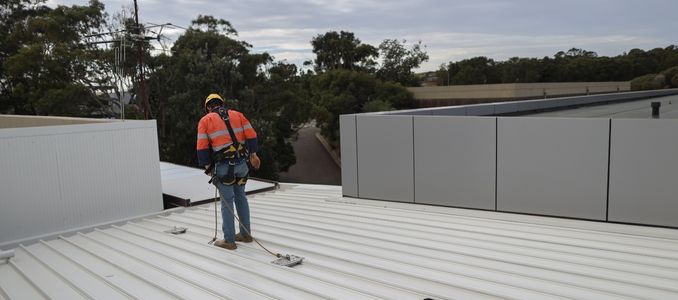
Washington’s Labor & Industries department fined roofing companies more than $1.4 million for repeat fall protection violations, citing ongoing risks from falls at height.
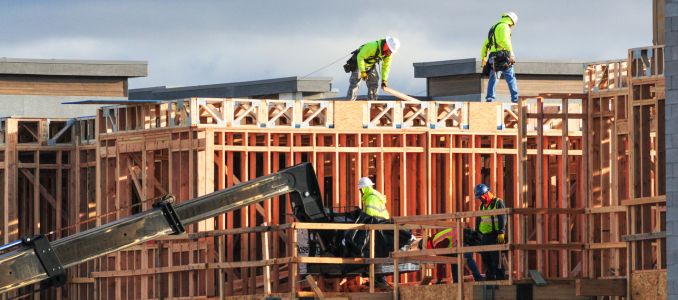
Shrader Homes Inc. was cited after inspectors found workers exposed to multiple hazards at a White City framing site, including unprotected heights, damaged ladders and missing eye protection, marking several serious and repeat violations.
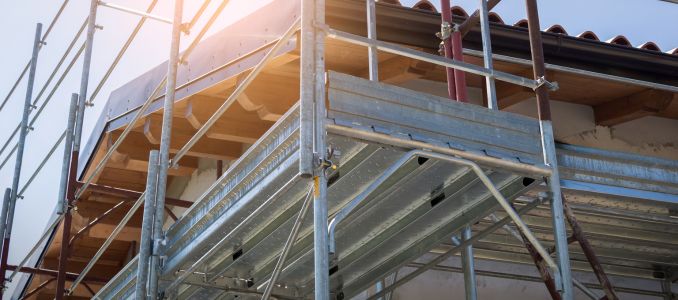
Through proper selection, inspection, setup, and adherence to safety basics, crews can significantly reduce fall hazards and ensure safer performance at height.
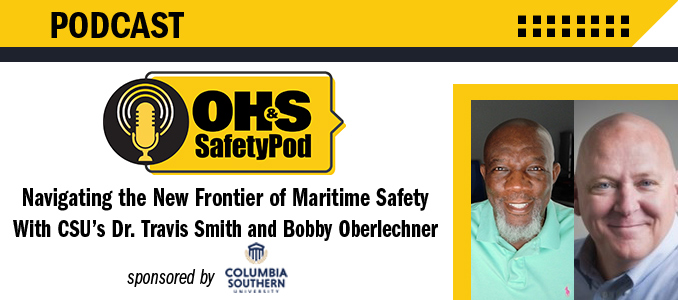
OH&S SafetyPod welcomes Columbia Southern University’s Dr. Travis Smith and Bobby Oberlechner to discuss the university’s new maritime safety degree program and how it’s preparing future leaders for complex, high-risk maritime operations.

From icy walkways to cold stress and equipment failures, winter brings unique challenges to every jobsite. Knowing the hazards before work begins helps crews stay safe, productive and prepared for the season.
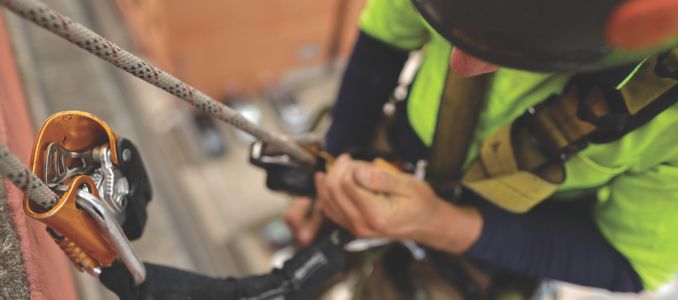
OSHA regulations, weight capacity, aeriel lifts, and other critical fall protection considerations.
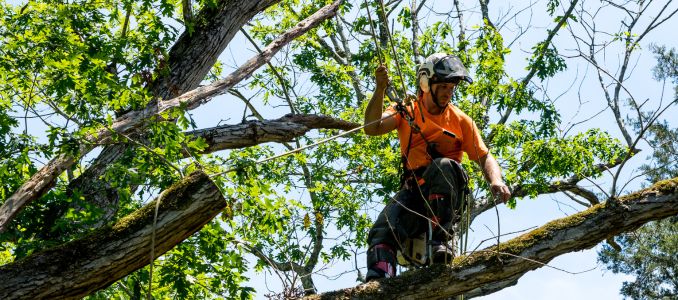
A new alert from Washington State’s Department of Labor & Industries urges employers to strengthen fall protection, supervision, and rigging practices after multiple fatal tree trimming incidents.
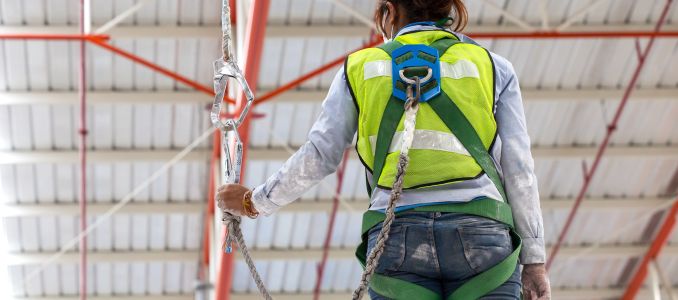
As temperatures drop and daylight hours shrink, construction sites face increased fall hazards, making proper planning, equipment, and safety culture more critical than ever.

OSHA has proposed more than $900,000 in penalties after a bridge painter fell into a Georgia river and drowned, citing two companies for serious safety violations.

A new Virginia Tech laboratory is testing construction helmets under real-world impact scenarios to improve safety data, but industry leaders caution that ratings should complement—not replace—established OSHA and ANSI/ISEA standards.

Roofing remains one of the most hazardous professions in the U.S., with 110 fatal falls in 2023 alone. Regular training, teamwork, inspections, and open communication can help prevent future tragedies.