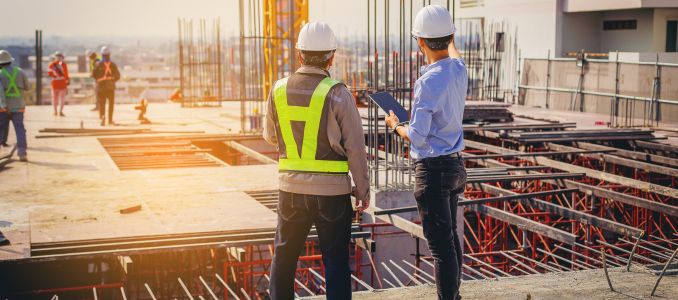
OSHA has issued several regulatory updates affecting construction safety that employers will want to closely monitor.
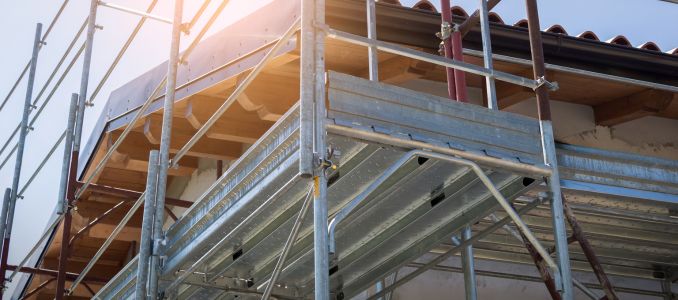
Through proper selection, inspection, setup, and adherence to safety basics, crews can significantly reduce fall hazards and ensure safer performance at height.

Construction Safety Week returns May 4–8, 2026, with the theme “All In Together,” emphasizing unity, trust, and shared responsibility across all levels of the construction industry to strengthen safety culture and reduce preventable incidents.
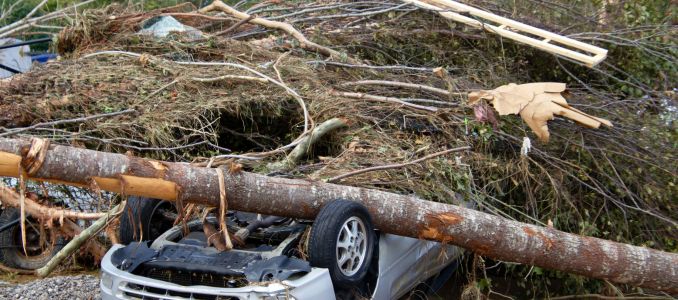
Commissioner Luke Farley and AMES Construction join forces to protect workers and strengthen safety practices during the reconstruction of Interstate 40 following Hurricane Helene.

A new CPWR and Dodge Construction Network report shows progress on heat safety and worker well-being programs, but smaller firms lag behind in implementation and data use.
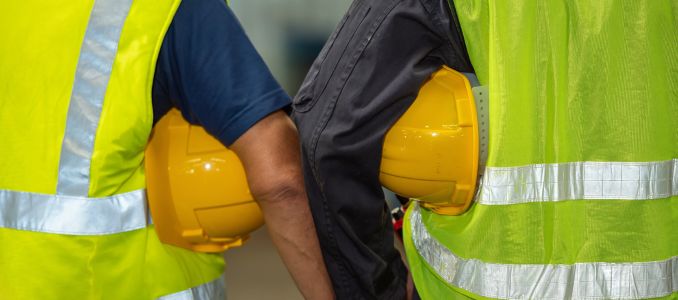
At the 2025 NSC Safety Congress & Expo in Denver, the Labor Division collected more than $3,500 to support the Pinnacol Foundation’s scholarship program for children of workers killed or seriously injured on the job.
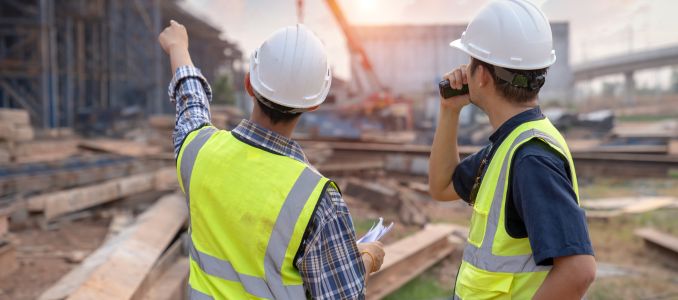
Governor Wes Moore announced $4 million in additional funding through Maryland’s Road to Careers program, a statewide workforce initiative designed to expand access to skilled jobs in transportation and construction while removing barriers to employment.

Digital innovation is transforming fall protection — turning helmets, harnesses, and inspections into proactive safety systems that prevent risks, simplify compliance, and accelerate emergency response.
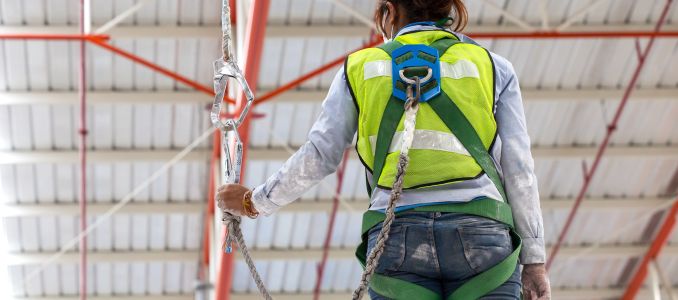
As temperatures drop and daylight hours shrink, construction sites face increased fall hazards, making proper planning, equipment, and safety culture more critical than ever.

OSHA has proposed more than $900,000 in penalties after a bridge painter fell into a Georgia river and drowned, citing two companies for serious safety violations.
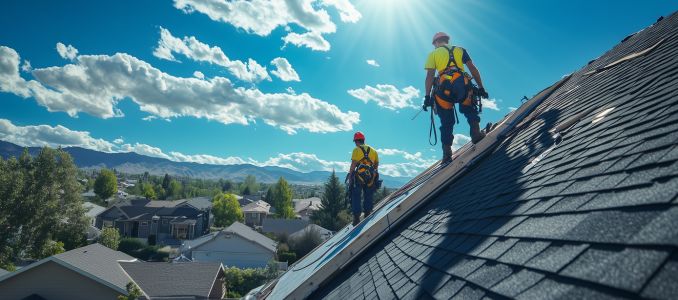
Roofing remains one of the most hazardous professions in the U.S., with 110 fatal falls in 2023 alone. Regular training, teamwork, inspections, and open communication can help prevent future tragedies.
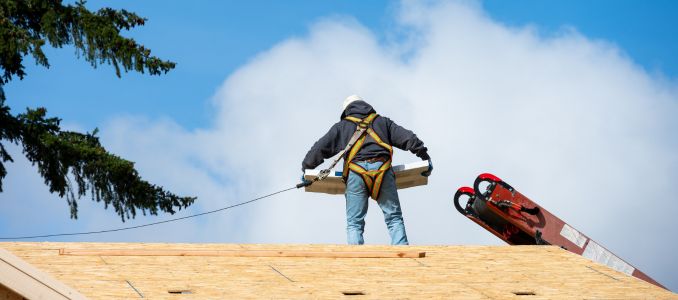
Elo Roofing cited for willful and repeat violations after inspectors found workers unprotected from deadly falls.
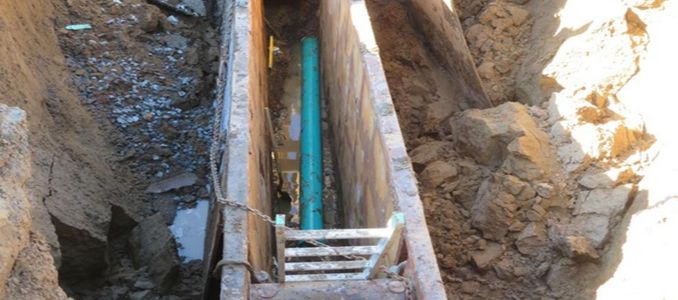
Clark County contractor cited for repeated trench safety violations; quick action prevented potential tragedy.

Gaize showcases safety professionals an alternative to traditional drug testing at NSC, with real-time detection of on-the-job impairment.

OSHA cited Elo Restoration LLC, operating as Elo Roofing, for 10 violations after two inspections found workers exposed to fall hazards at residential jobsites.

Equipping construction crews with body cameras and two-way radios enhances communication, reduces risks, and strengthens accountability, making job sites safer and more efficient.

MIOSHA, industry partners, and trade groups are joining forces during Construction Suicide Prevention Week, Sept. 8–12, 2025, to raise awareness, provide resources, and address the mental health crisis in the construction industry.

Learn how EHS managers can proactively ensure safety and compliance during facility construction, from contractor selection to legal risk mitigation and OSHA alignment.

IoT-enabled helmets are helping to redefine what it means to protect the head and thusly redefine safety on the job site. Here are two innovations recently seen at ASSP Safety 2025.

How employers can significantly reduce fall-related injuries and fatalities by following the Hierarchy of Fall Protection Controls.