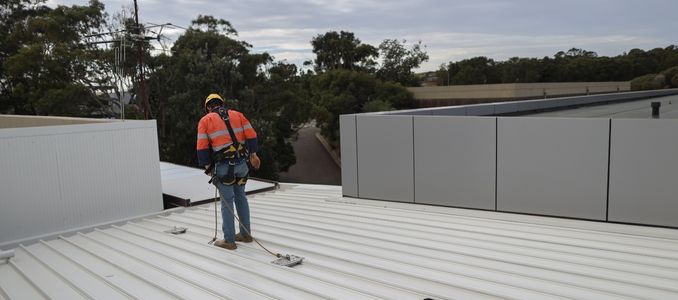
Washington’s Labor & Industries department fined roofing companies more than $1.4 million for repeat fall protection violations, citing ongoing risks from falls at height.
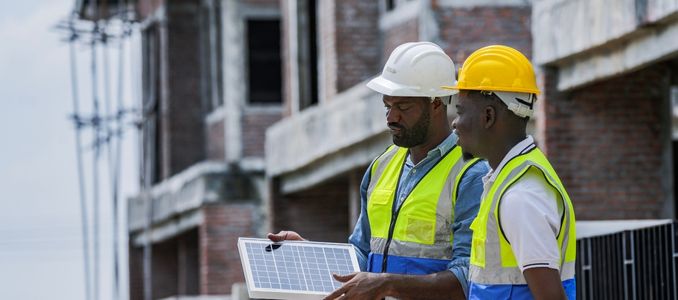
The 2026 State of the Skilled Trades report from NFPA finds workers expect more AI on the job but want stronger training and protections as labor shortages persist.

Even with better technology and regulations, human behavior remains the leading cause of workplace incidents. Here’s what safety leaders need to understand—and fix—in 2026.
HHS has reinstated hundreds of NIOSH employees after widespread concern that staffing cuts threatened critical occupational safety and health research.
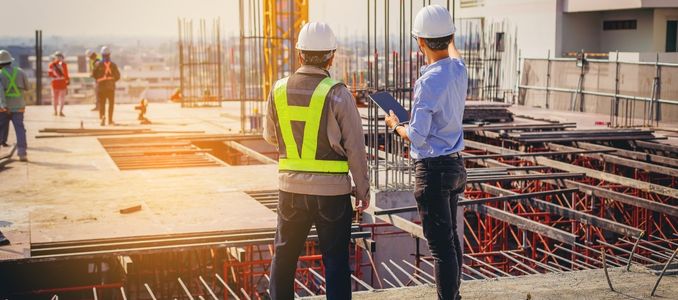
The Connecticut Department of Labor has joined a six-state enforcement alliance to share data, target repeat violators, and strengthen worker protections across state lines.

Many organizations meet OSHA’s Hazard Communication requirements on paper, but gaps in understanding and application continue to undermine chemical safety in real-world work environments.
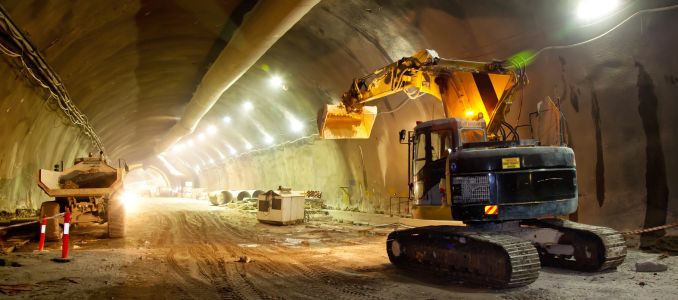
The strategic partnership aims to reduce construction hazards through improved safety systems, training, and leadership engagement during work on the Cemetery Brook Drain Tunnel Project.
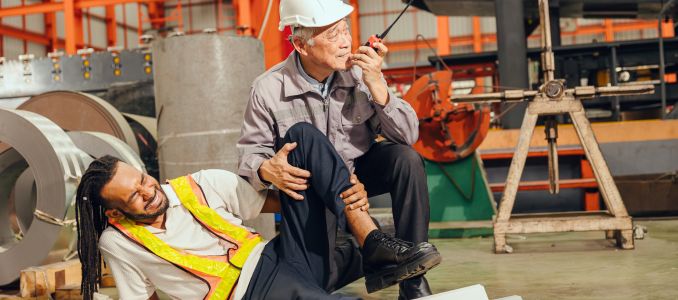
The American Society of Safety Professionals is advancing a new approach focused on neutralizing high-risk hazards at the point of work, targeting serious injuries and fatalities through action-driven safety strategies and standards.
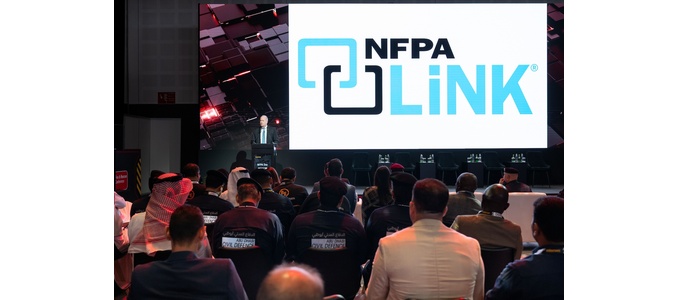
The latest update to NFPA LiNK introduces AI-powered tools and workflow enhancements designed to help safety professionals apply codes and standards faster, more accurately, and with greater confidence.
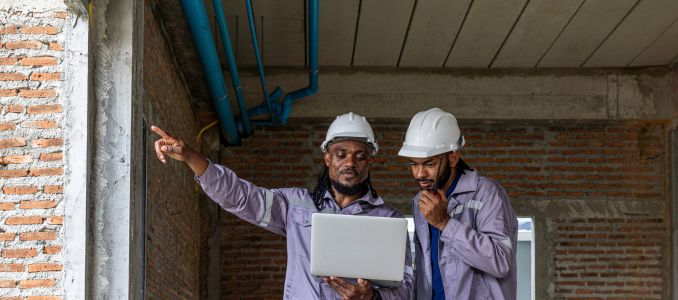
Stories about near misses, lessons learned, and everyday work can bridge the gap between written safety rules and real-world behavior—when used thoughtfully and supported by leadership and technology.