
Nearly 300 organizations join global initiative to reduce musculoskeletal disorders, which cost U.S. businesses $19 billion annually.
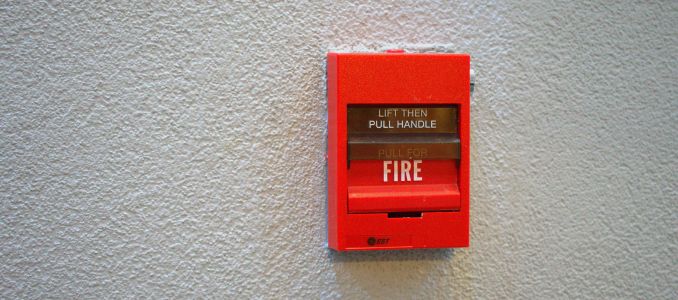
The building automation company introduced integrated smoke control capabilities and cloud-connected platforms to streamline building emergency response.

K.G. Walters Construction is one of only four employers statewide to receive the Safe Partner Award from SCATS.

A seafood processing worker suffered a severe hand injury after contacting an improperly adjusted bandsaw blade, highlighting the need for proper guarding.
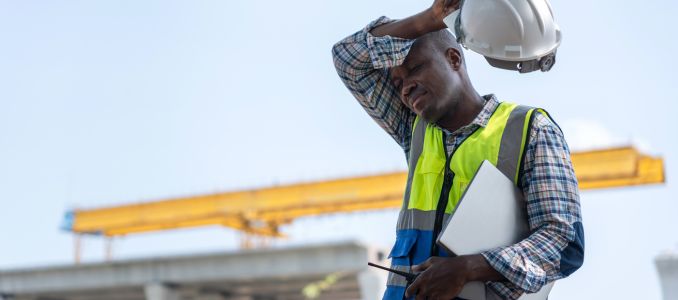
Worker advocates say the executive order is a major step toward preventing heat-related illnesses and fatalities as federal regulators continue developing a nationwide workplace heat standard.
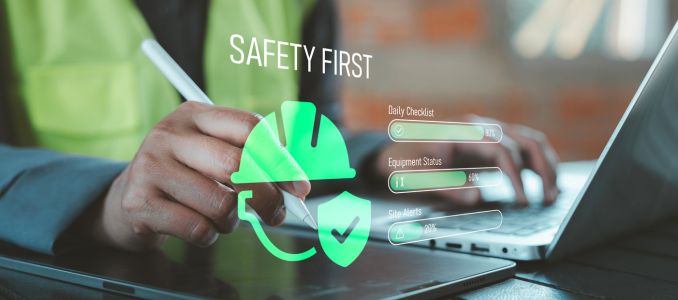
A survey of over 1,000 safety professionals reveals that artificial intelligence and leadership support are reshaping workplace safety programs.

VPPPA says OSHA's decision to align VPP with its Recommended Practices framework will help employers strengthen safety and health management systems nationwide.
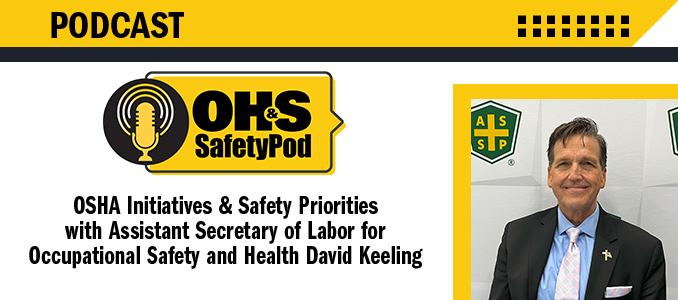
Assistant Secretary of Labor David Keeling shares insights on heat stress, AI, Safety Champions and OSHA's evolving role in workplace safety.
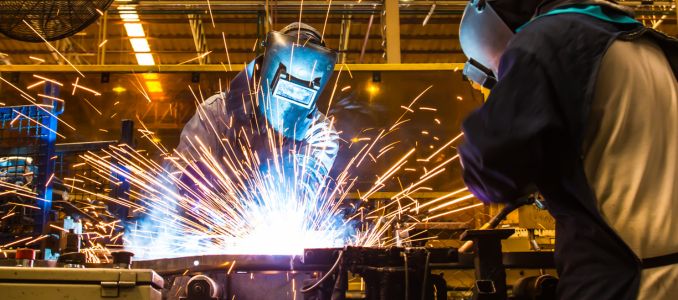
Comfort, fit and usability are reshaping welding PPE programs as safety leaders recognize that workers are more likely to consistently wear equipment that reduces fatigue, heat stress and physical strain while still protecting against serious hazards.
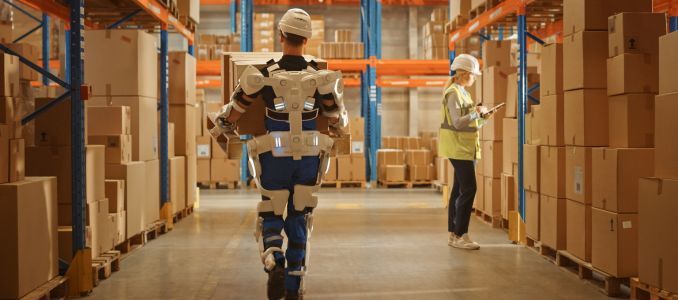
Safety wearables can reduce strain and fatigue, but without structured training and worker buy-in, even the most advanced solutions fall short in high-demand industrial environments.