Researchers in Hong Kong have confirmed the first patient to be reinfected with COVID-19, suggesting that those who recover may only have short-lived immunity to the virus.
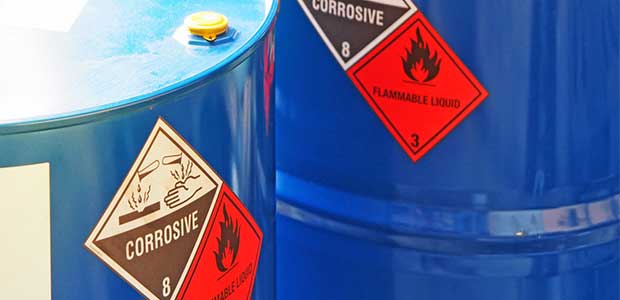
Although most facilities or homes will not store chemicals in massive quantities, improperly storing even a small amount of volatile chemicals can cause injury and even worse, death.
OEHS professionals offer free educational guide and resources for emergency responders.

Episode 21
In this mini Safety Speak episode, Editor Sydny Shepard discusses the new leading cause of death in the U.S, Oregon's new Worker Virus Protection Rule, a new ladder safety grant and effective safety leadership.

With COVID-19 restrictions and 2020 projected to be one of the hottest years on record, it’s important for employers, managers and workers to keep heat stress safety top of mind.
On-duty firefighters have an increased risk of experiencing exposure to PAHs, which are a family of chemicals known for their potential to cause cancer.
The world’s largest annual safety event will be held virtually in March rather than in person.

A new proposed rule from the Oregon Occupational Health and Safety Administration would mandate CDC recommendations to keep workers safe amid the pandemic.
The checklist includes considerations such as investigating exposures, determining when an employee should be tested and configuring a work environment to minimize the risk of a spread.

COVID-19 would only trail heart disease and cancer as the third most leading cause of death this year.