
The NFPA 2400 standard underscores the need for an sUAS coordinator and the importance of knowing airspace requirements, weather conditions, crew readiness benchmarks, resource needs, incident command systems, regulatory requirements, and communication strategies.
The price of workers' compensation insurance in Washington state will take the largest drop in more than 10 years on Jan. 1, 2019, as the state Department of Labor & Industries on Dec. 3 announced a 5 percent decrease in the average amount employers pay for the coverage.
The complaint alleged that analysis of environmental samples collected from the defendants' facility during numerous inspections showed the facility contained a resident strain of Listeria monocytogenes. FDA most recently inspected the facility in late 2017, and its inspection showed the ready-to-eat food products that defendants manufactured and distributed were adulterated.
"My administration has made fighting the opioid epidemic one of its top priorities, and this collaboration with Michael Bloomberg and Bloomberg Philanthropies will allow us to take an in-depth look at the areas where we can supplement our programs to successfully assist more Pennsylvanians," Gov. Tom Wolf said.
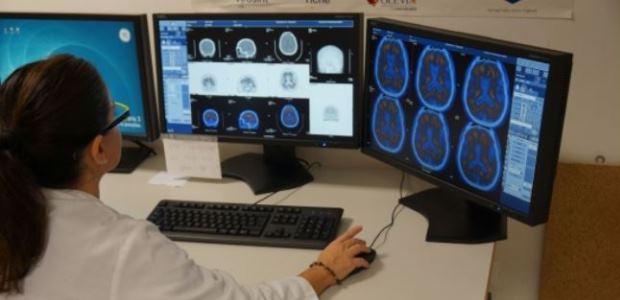
Every year, more than 35 million nuclear medicine examinations are performed globally, particularly to diagnose and manage cancer, cardiovascular diseases, and neurodegenerative disorders. Countries often lack programs to train specialists and technical personnel to facilitate diagnosis and treatment, according to IAEA.

The program prepares motivated youth through classroom instruction and hands-on skills training for employment and registered apprenticeship in one of the fastest-growing occupations in construction.
AKOSH's enforcement inspections under the program will focus on the types of hazards commonly found in hospitals and other health care settings: slips, trips, and falls; bloodborne pathogens; tuberculosis; workplace violence; and ergonomics.
The Houston workshop includes lunch, and participants will receive a certificate of participation. Proceeds will benefit the SPE Gulf Coast scholarship fund.
"This owner's intentional disregard of the manufacturers' safety instructions and failure to take proper safety measures resulted in serious injuries to an employee," said OSHA Jacksonville Area Office Director Michelle Gonzalez.
The Asian longhorned tick (Haemaphysalis longicornis) has been found in several U.S. states since it was first discovered here in New Jersey in August 2017.