
By Cam Stevens
AI can help scale scenario-based safety training by simulating real-world situations and perspectives.

By Diana Jones
Falling tools, low beams, and keeping a helmet secured: What the updated ANSI/ISEA Z89.1 standard means for the hazards your crew faces.

By Rodney Taylor
Building a Task-Based Risk Reduction Strategy for hand protection — and other PPE.

By David Kopf
From new first aid and head protection standards to OSHA’s HazCom deadline and evolving heat regulations, workplace safety professionals face a changing compliance landscape.

By Natalie Schwatka, PhD
Pairing leadership development with worker-driven design helps contractors treat the conditions behind poor mental health as hazards they can control.

By Ryan Pfund
Six checkpoints help safety professionals review emergency flushing coverage when chemicals, layouts, utilities or work assignments change.

By Stasia DeMarco
Proper inspections, hands-on training and job site oversight can help employers reduce ladder and scaffolding hazards.

By Tim Turney
Wearable noise dosimeters help safety professionals measure changing exposure levels throughout a shift, identify high-risk tasks and implement more effective hearing conservation measures.

By Jade Hendrix
Four practices for adapting safety workflows while maintaining consistent compliance data.
By Mia Barnes
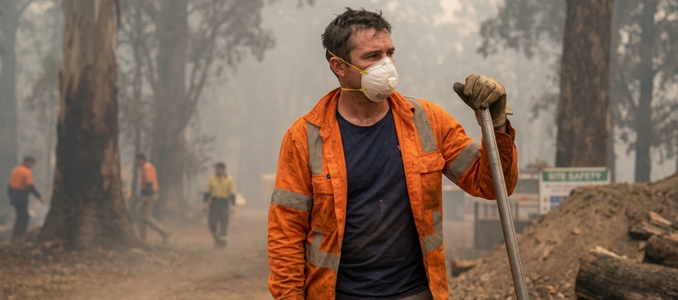
Effective response plans combine filtration, monitoring, remote work and respiratory protection.
By Tony Bleak
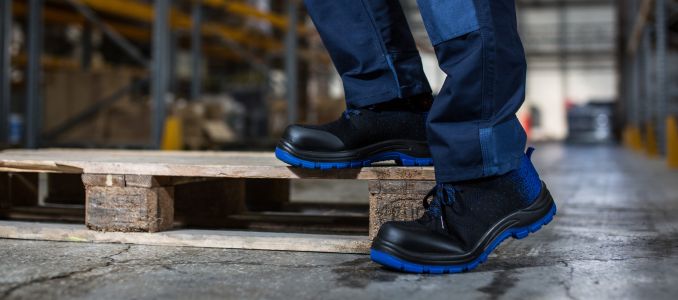
Safety boots meeting ASTM F2413 crush standards often lack essential arch support, driving plantar fasciitis and worker fatigue on hard jobsite surfaces.

By Shawn M. Galloway
Serious Injury and Fatality (SIF) rates remain stubborn because critical warnings get filtered out long before reaching executive decision-makers.

By Robert Pater
Safety is more than a requirement to follow. Making it personally meaningful can help workers absorb safe practices and apply them on and off the job.

By David Kopf
While 86% of workplace safety organizations are exploring AI, most lack formal ethics policies, quality data, and training to turn efficiency gains into fewer injuries.