Episode 5
OH&S Editor Sydny Shepard and Combustible Dust expert Russell Ogle discuss the hazards of combustible dust, what to look for and how to react in the event of a catastrophic incident.

Combustible dust is a prominent threat in many workplaces, and it’s no wonder OSHA has a number of regulations and standards on the topic. Here is what you need to know about the hazards, causes, and risks of combustible dust in the workplace.
Episode 2
You can hear the audible groan when employees are told they need to go through safety trainings, but with the number of hazards on the job workers cannot go without these vital trainings. When an incident happens, employees must be able to refer back to their training—and fast.

When it comes to gas detection, compliance with OSHA standards is a gray area.

New gas detection solution combines wireless and fixed elements, allowing technicians to work from the safety of ground level to maintain gas detectors and create compliance reports on the fly.

Common pitfalls to avoid with atmospheric testing in confined spaces.
Here’s a round of the latest and greatest, debuted at NSC 2019.
The National Safety Council is expecting more than 15,000 safety professionals to attend the annual Congress & Expo this month.

San Diego Convention Center will be the backdrop for this year’s NSC Congress & Expo.
This silent toxin is both colorless and odorless, and exposure to it is often deadly; that’s why the U.S. Department of Labor does not take carbon monoxide (CO) matters lightly.

With 166 deaths in confined spaces and 887 deaths from falls in the United States in 2017, drones are becoming a safer way to complete dangerous tasks.
Payne Enterprises Inc. has been placed in the Severe Violator Enforcement Program after an employee was killed in a trench collapse. The company has two repeated violations as it was cited for violations related to the trench collapse in 2017 and 2018.
R.V. Wagner Inc. is facing $212,158 in penalties for failing to use trench protection techniques, failing to provide a safe exit and other serious violations.

Once a space is designated a permit-required confined space, it engages an extra level of planning and preparation to mitigate the potential hazards.
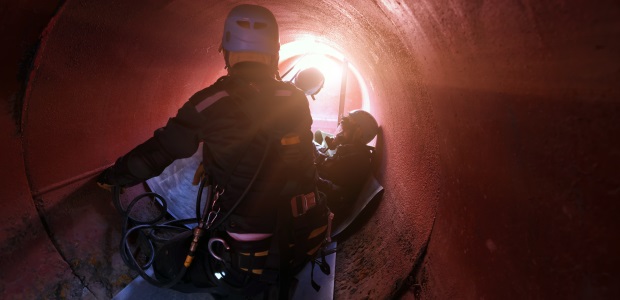
The confined space standards for both general industry and the construction industry place great emphasis on safety training.
The new alliance between OSHA's Fort Lauderdale Area Office and NUCA of South Florida will focus on cave-in protection, silica, heat stress, and atmospheric hazards associated with confined spaces.
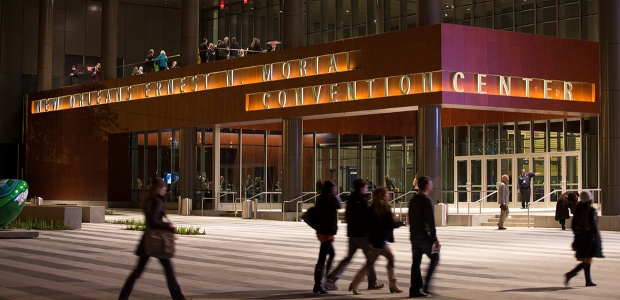
One of the highlights is a June 12 panel discussion on how increased use and legalization of marijuana affect companies' efforts to maintain drug-free workplaces.
"The violations identified exposed employees to serious and potentially life-threatening injuries," said OSHA Syracuse Area Director Jeffrey Prebish. "Employers can minimize workplace dangers by conducting required job hazard analyses."

All hazards must be identified before entry to the space and listed on the permit.
WorkSafeBC has posted a new guide, posters, and a video addressing hazards specific to craft-brewing and distilling processes, including carbon dioxide and confined spaces.