Trinity Rail and Maintenance Services Inc. was cited for 11 serious violations after the death of two employees in August.
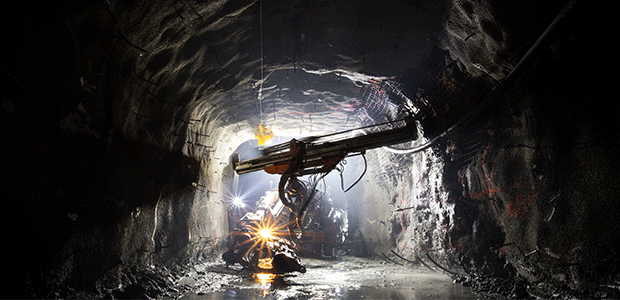
A Jan. 10 gold mine explosion killed 10 workers, while one is still missing.

Episode 42
Join Editor Sydny Shepard as she discusses the HHS guidelines on drug testing, the latest injury rates for the Meat Packing and Processing industry and how OSHA is suggesting retailers, delivery workers and those in order fulfillment decrease their risk of transmitting COVID-19.
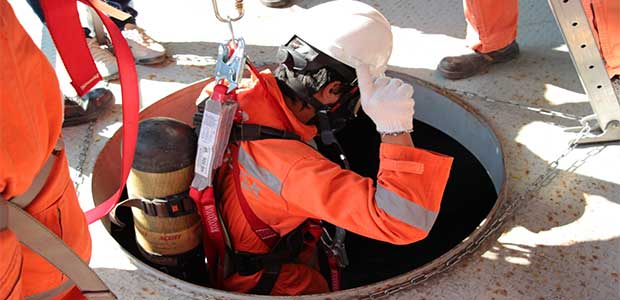
The MSHA issued a safety alert to help prevent further fatal injuries in confined spaces.
Employees that are working in person during the pandemic should be working in offices with adequate ventilation to minimize their risk of infection.

Water treatment workers that enter ducts, manholes and vaults frequently must know these safety tips for confined spaces.
The safety industry continues to see developments in innovation and technology despite no trade shows to show off new products in person.
Episode 28
Editor Sydny Shepard discusses some top headlines in the safety industry, including a new partnership with ASSP and the Agriculture Safety and Health Council of America, the World Health Organization’s call for health care worker safety and millions of dollars in grants awarded to nonprofit organizations by OSHA.
Episode 26
Editor Sydny Shepard discusses all things hazards, standards and training regarding confined spaces with guest Chris Koester, consultant and owner with Priority One Safe-T, an emergency response and standby rescue services and training firm for industrial and manufacturing companies.

Industrial vacuums are the right tool for preventing secondary explosions.
At production sites, workers often interact with production processes and equipment such as pumps, furnaces and others. These pose numerous HSE hazards and a lack of basic understanding of their operations could lead to mishaps—sometimes with major consequence.
Wireless gas detectors are changing the way we work in confined spaces.
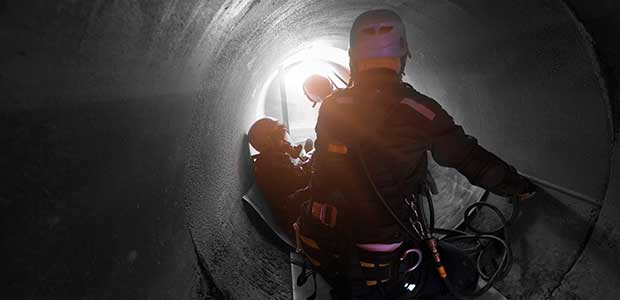
Working in confined spaces can be extremely dangerous. The good news is: many accidents and injuries can be avoided.
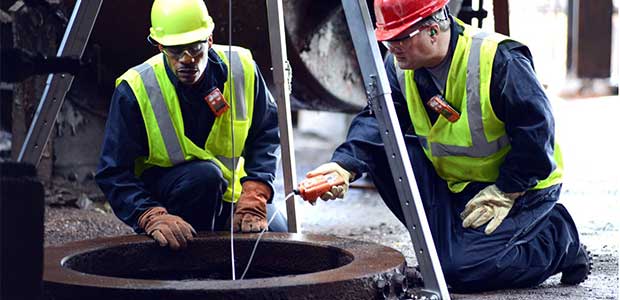
Wireless gas detectors are changing the way we work in confined spaces.

Photoionization detectors (PIDs) are gas detection technology that can help businesses address this risk from the start, maintaining the highest level of short- and long-term safety for workers.
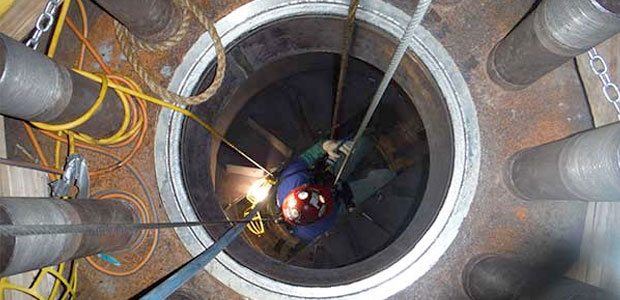
Nothing is as simple as it seems; the unexpected happens every day.
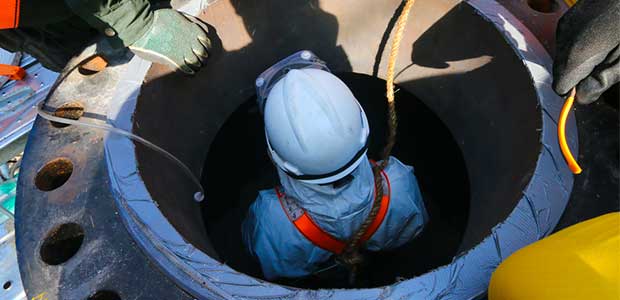
The four essentials of confined space safety for construction workers.
From grain handling operations to heavy blast material, pit cleaning with vacuums allows workers to clean outside of confined spaces.
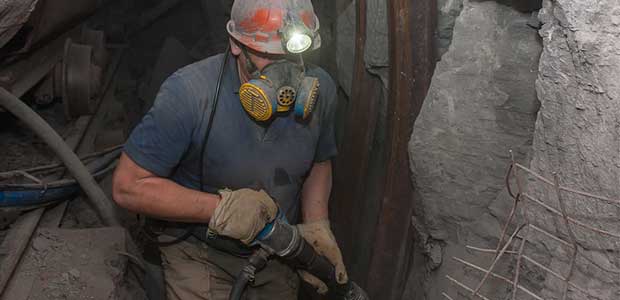
The former industrial workers, particularly those with respiratory illnesses or occupational lung diseases are more prone to COVID-19.

Confined spaces pose a number of physical and environmental hazards to a worker—and it’s critical that employers understand the risks, those most vulnerable and hazard mitigation techniques.