
This was the first annual increase since 2005 and was driven largely by motorcyclist and pedestrian fatalities, NHTSA reported Nov. 14.

EasyJet, Airbus, and Nicarnica Aviation created what they called the world's first significant artificial ash cloud in order to test the AVOID sensor's ability to detect and estimate concentrations of volcanic ash in the atmosphere.

The DOT inspector general's office announced it Nov. 5 in response to a request from the top Democrat on the U.S. House Committee on Transportation and Infrastructure.

The section on engineering controls -– local exhaust ventilation, isolation, and dust suppression methods -- states they are likely to be the most effective control strategy for nanomaterials, but it also advises using elimination and substitution first if they are feasible.

The key element of its new proposed rule is public disclosure of companies' injury and illness data.

The committee is scheduled to meet Dec. 5-6 in Washington, D.C., to discuss GHS and the proposed draft standard on occupational exposure to beryllium, among other matters.

The cities of New Orleans, Las Vegas, and Orlando will host at least two of the biggest U.S. safety, health, and environmental conferences apiece next year.

The agency's assistant secretary, Dr. David Michaels, has spoken repeatedly about the issue of temporary workers' safety. A group of safety advocates has drawn up 15 recommendations to address the issue.

The insurers and environmental groups in SmarterSafer.org are fighting to keep the Biggert-Waters Act of 2012 implementation on track as many members of Congress push for delays.

Because the food-processing environment is multifaceted, no one glove can be considered the industry standard.

When a person is performing atmospheric testing, he or she must accurately sample the atmosphere to ensure no hazardous gases are present.

Passengers eventually will be allowed to read e-books, play games, and watch videos on their devices during all phases of flight except takeoff and landing, but cell phone calls are still prohibited because of FCC regulations.

Given the known prevalence of SCA, prudence dictates recognizing cardiac arrest in the safety planning process.
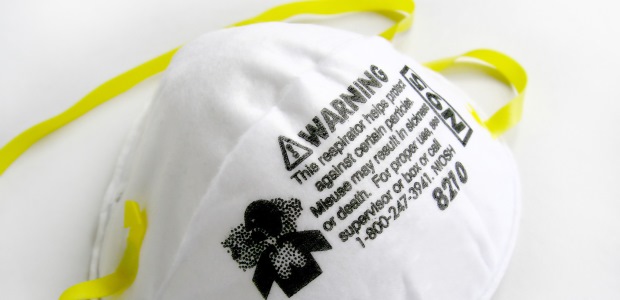
OSHA's respiratory regulations require that you have a written program outlining your company's usage of respirators. The program needs to be reviewed annually.
We all feel the hurt when employee health is not addressed.

According to OSHA, 40 percent of all janitorial injuries involve eye irritations or burns; 36 percent are skin irritations or burns; and 12 percent are the result of breathing fumes.

This is a perfect time for employers to become more familiar with ways in which they can protect their workers from head, face, and eye injuries.