
The Oklahoma Department of Labor and the Oklahoma Safety Council co-sponsor the "Speak Out for Workplace Safety!" contest.

The American Trucking Associations' Share the Road truck and dozens of other trucks are delivering handmade wreaths to veterans' cemeteries and educating students and the public about trucking safely along the way.

OSHA's Dr. David Michaels said the declining rates are encouraging, “even during this period of healthy economic growth when we would expect the rate of injuries to rise.”

The 60-page document is meant to assist responders in health care, public safety, utilities, construction, humanitarian aid, and cleanup services.

They fell by 17 percent over a three-year period, according to a new report from the Agency for Healthcare Research and Quality.

The agency's Climate Change Occupational Safety and Health Work Group is working to determine OSH issues, identify gaps in worker protection, and make recommendations for safety and health improvements.

Welding processes require the use of head-to-toe protective gear, from head and face protection to steel-toed boots, as well as ventilation.
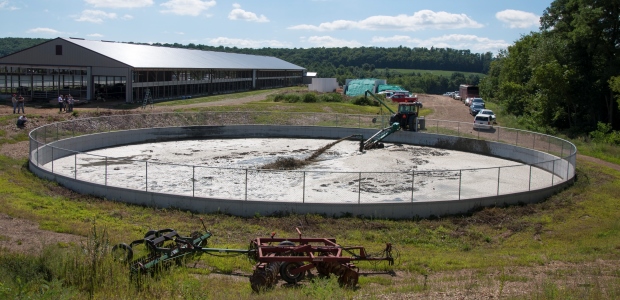
There must be ongoing education of farmers, their families, and hired hands on the dangers of gases on farm properties.

With the introduction of updated standards such as NFPA 70E 2015, you need to know what they mean.

Have a plan and get your PPE program ready before the panic sets in.

Contingency planning for continued business operations is a multi-faceted risk management function.

In-class instruction twinned with simulation learning allows learners to "debrief" with instructors after simulations in order to understand their mistakes, ask questions, and then re-try scenarios online.
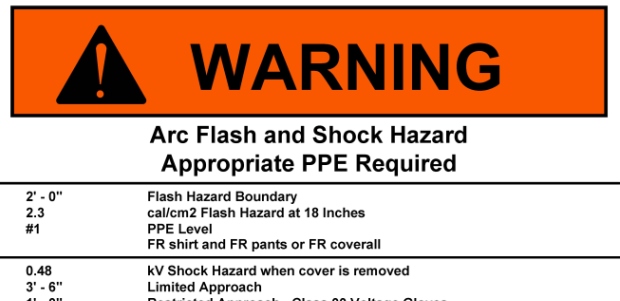
Real-world applications have brought on an increasing demand for garments that are suitable for use in environments with multiple hazards.
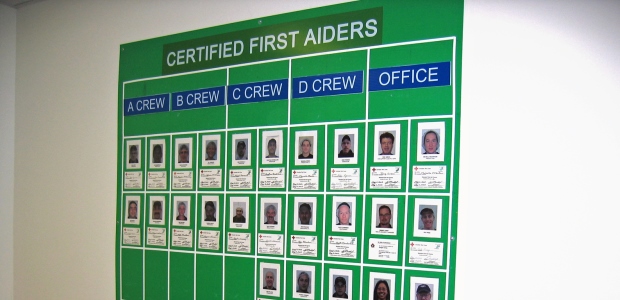
Visually presenting who we are can inspire new ideas, benchmarking, and team collaboration.

The markings that are placed on the eyewear convey the protector's capabilities to the employer and employee, and this marking scheme will vary by product type.

Best practices include completing documented equipment inspections on schedule and consistently performing detailed cleaning of equipment.

If you are working in a classified environment and your vacuum is not NRTL-certified, you can be fined and, more importantly, you are risking your facility’s safety every day.