OSHA cited Grede Wisconsin Subsidiaries LLC, an iron foundry, for 28 alleged violations.
At least 14 workers have died since 2000 while using stripping products that include methylene chloride, according to the document.
Camera and sensor technologies, policies, certified spotters, training programs, a companywide ban on cell phone use – the panel of stakeholders at a Feb. 5 OSHA meeting in Arlington, Texas suggested all of these.
Publisher Karen Cavallo wears two hats at 1105 Media Inc. She is also group publisher of the Home Medical Equipment Group.
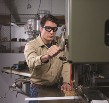
In extremely dirty, dusty, high-hazard industries, such as oil and gas production or heavy manufacturing, the "sealed eyewear" product category is rapidly taking center stage.
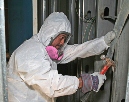
Brisk sales and incremental innovations are the order of the day.
The state agency also has filed 25 citations against Chevron USA, including 11 willful serious and 12 serious violations, in connection with the August 2012 fire.
The meeting will take place March 6 in Washington, D.C. Registrations to participate or attend it must be made by Feb. 22.
The organizers say more than 1,600 exhibitors will participate in the Nov. 5-8 trade fair and congress at the Dusseldorf, Germany fairgrounds.
A non-mandatory technical amendment taking effect Jan. 22 explains the basics of ensuring safe operations and discusses the roles of the chemical hygiene officer and others.
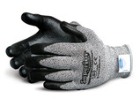
To put it simply, your father would not recognize the new work gloves on the market today. In fact, these are not even your older brother's gloves.
OSHA's release noted that a federal agency receives a notice of an unhealthful or unsafe working condition, which is equivalent to a private-sector citation.
Just ahead of the year's biggest U.S. auto show, Ford and GM announced they will hire more than 3,000 salaried workers this year, according to a Detroit News report. As of October, U.S. manufacturers' light vehicle output in 2012 was about 20 percent above that of the previous year.
It requires setting a minimum alarm point at 25 percent of the rated service time but allows manufacturers to set it at a higher point.
The first phase of the Health Hazard Evaluation Program’s examination of health and safety in the electronic waste recycling industry is expected to end in April. It will include a survey of as many as 100 e-waste recycling facilities across the country.
This is just the second time three of these popular classes have been held in a single year.
UK Power Networks (Operations) Ltd., which supplies power to London and southeastern England, pleaded guilty and has been fined $442,000 and ordered to pay $233,000 in court costs, HSE reported.
The Oregon Young Employee Safety Coalition, Oregon OSHA, and several partner organizations are sponsoring it this year.

Is the system scalable? As your needs expand, your wireless system should be able to expand with you.
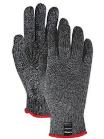
Today, engineered fibers and blends are the new standard in cut protection.