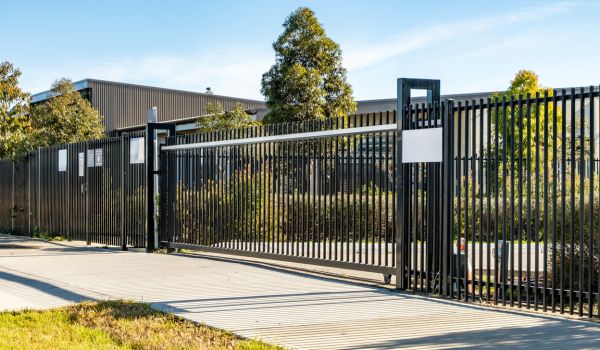
Campus safety cannot wait as higher education shifts from reactive emergency response to continuous, intelligence-driven preparedness.
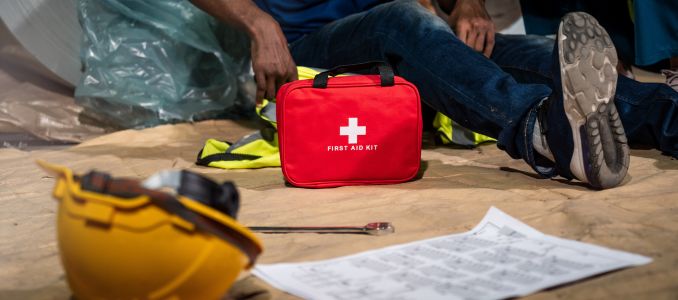
Many workplace injuries develop not from catastrophic events but from everyday tasks performed in poorly organized environments. Improving facility design, ergonomics and workspace organization can reduce strain, lower injury risk and improve productivity.
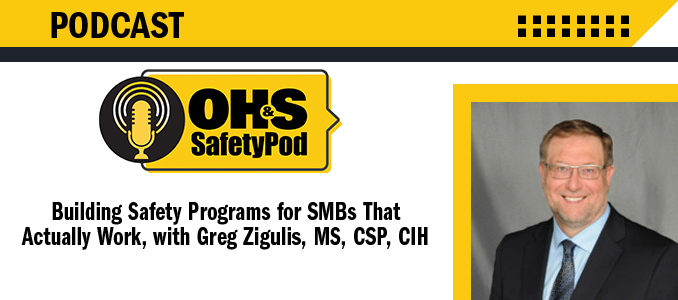
Safety expert Greg Zigulis shares practical strategies to help SMBs move from reactive compliance to structured, effective safety programs.
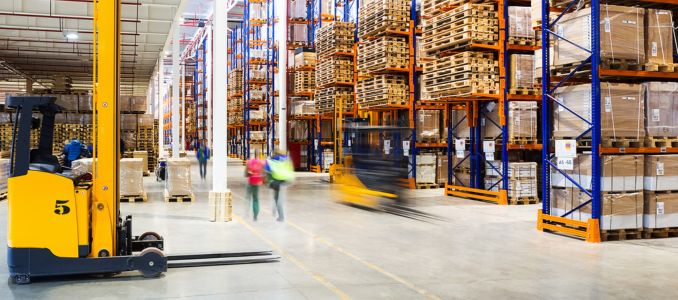
As factory construction surges, facility design must evolve to handle the complex collision risks posed by robotics and high-speed automation.
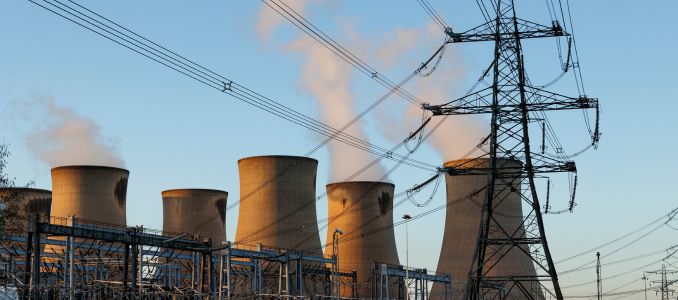
Federal Safety officials cited a Nebraska biofuels company for safety violations after a fatal explosion, citing combustible dust hazards, ignition risks, and fall protection failures.

The International Facility Management Association’s new report introduces the FM Workload Index and shows rising workload expectations for facility professionals worldwide.
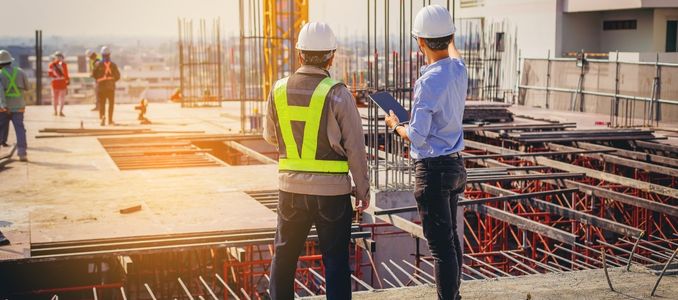
The Connecticut Department of Labor has joined a six-state enforcement alliance to share data, target repeat violators, and strengthen worker protections across state lines.
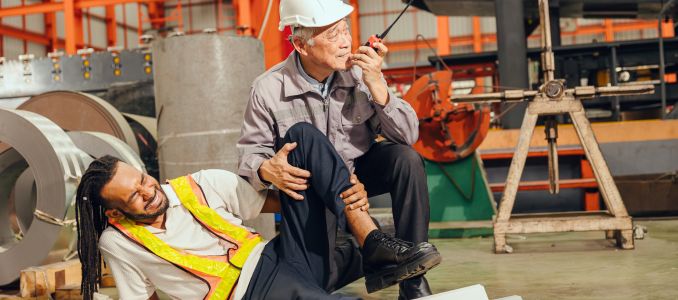
The American Society of Safety Professionals is advancing a new approach focused on neutralizing high-risk hazards at the point of work, targeting serious injuries and fatalities through action-driven safety strategies and standards.
This week’s Friday Roundup highlights new emergency response equipment, maintenance solutions that extend system performance, digital tools to simplify regulatory compliance, cold-weather PPE innovations, and industry efforts to improve fit and inclusion for women in the skilled trades.
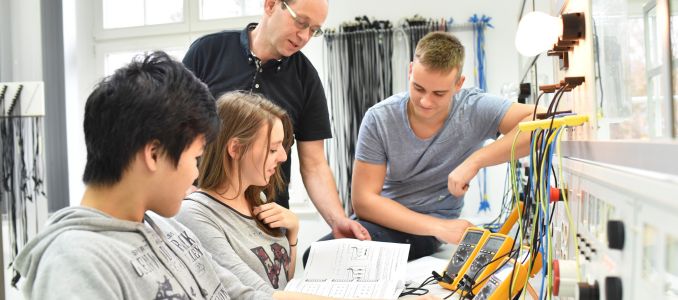
Funding through the YouthBuild program aims to prepare young people ages 16–24 for careers in construction, manufacturing, IT and health care through training and apprenticeship pathways.

AI is increasingly used to predict risks, prevent injuries, and support long-term safety decision-making, while raising important questions about governance, ethics, and worker trust.

The strategic partnership focuses on hazard prevention and worker training during construction of the Mark Stebbins Community Center.
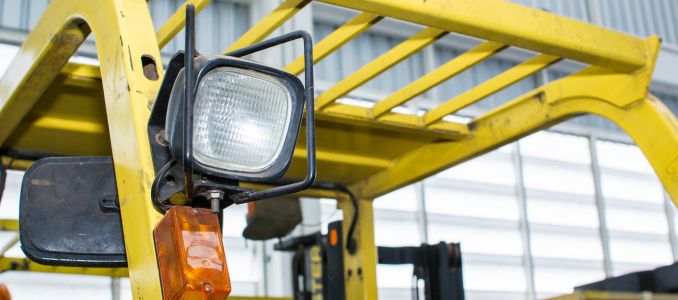
As facilities push for higher efficiency and stronger safety compliance, AI-powered cameras, predictive alerts, and advanced forklift lighting systems are redefining visibility, reducing near misses, and creating a proactive, data-driven approach to pedestrian and equipment safety.
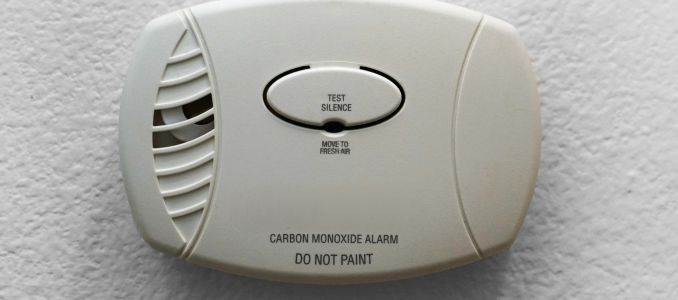
With winter temperatures driving more indoor equipment use, KYSAFE is urging Kentucky employers to recognize and prevent carbon monoxide dangers by improving ventilation, avoiding fuel-burning tools indoors and using reliable detection systems.
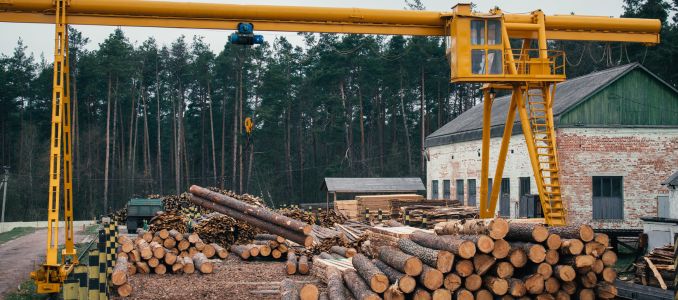
A 39-year-old worker was fatally crushed when unstable lumber stacks collapsed at an Oregon sawmill, leading state safety officials to issue serious citations and renew warnings about widespread stacking and storage hazards across multiple industries.
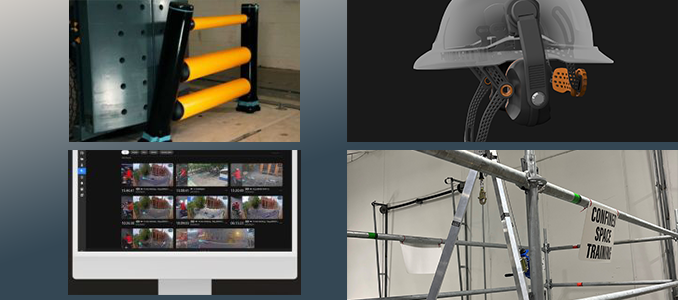
A-SAFE’s Barrier Range, HighBar’s Dial-Fit Helmet System, Tech Safety Lines’ Rescue Program, and VIVOTEK’s Think Search platform advance impact protection, headgear fit, rescue readiness, and AI-driven safety intelligence.
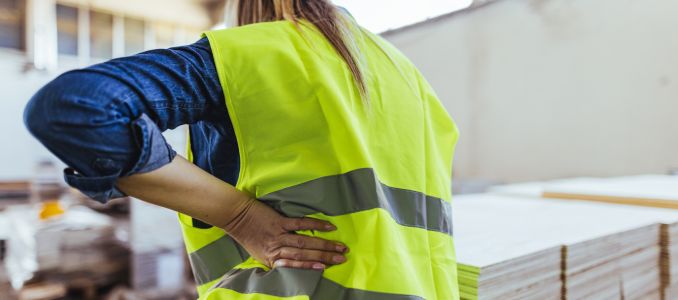
The monthlong campaign offers a practical, four-step approach to preventing sprains and strains by strengthening leadership, worker involvement and follow-through.
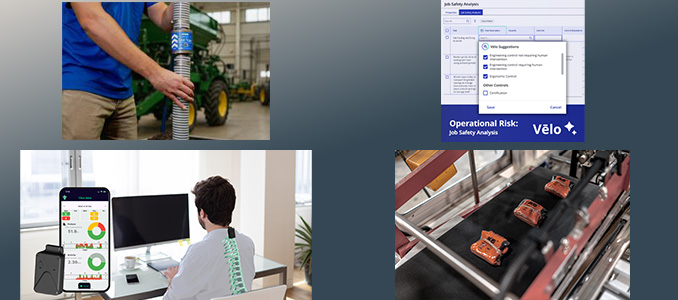
From advanced pneumatic conveying systems and posture-improving wearables to AI-driven safety analysis and faster PPE distribution, these new product innovations are designed to boost workplace safety, efficiency, and worker wellbeing.
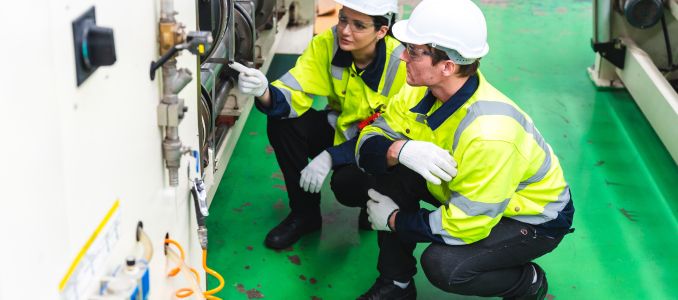
Michigan employers with 250 or fewer workers can apply for matching grants of up to $5,000 to fund equipment and training that improve workplace safety.