Advanced Search
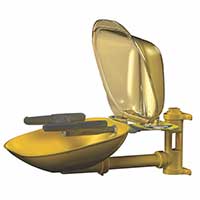
Halo™ eye/face wash provides 20 percent better protection than any other eye/face wash. Exclusive self-draining feature removes standing water eliminating potential bacterial growth, improving hygiene and worker safety.
Move beyond one-size-fits-all. Discover a six-step, employee-driven approach to implementing PPE programs that actually protect women in the workforce. Read Now
New federal guidelines offer a three-step roadmap for workplace safety, though experts suggest weighing participation against enforcement risks. Read Now
With warehouse injuries doubling across the sector, human-centric robotics are removing workers from the path of exposure without displacing them. Read Now
Milliken secures independent verification from Forever Analytical as the fire service industry reaches an inflection point on PFAS and transparency. Read Now
As data center construction booms, discover how connected safety tech and advanced training are mitigating rising electrical risks for the 2026 workforce. Read Now
Don't wait for a fall to take action. Learn why stumbling on uneven ground or dodging overgrown brush are critical warnings for workplace safety. Read Now
Confined spaces are dynamic environments where gas levels, airflow, and temperature can shift in seconds. AI-based atmospheric intelligence is helping safety teams move beyond threshold alarms to predictive, real-time risk interpretation.
New research from the ASSP outlines how AI tools are transforming risk assessment and reporting for EHS experts.
Workers may feel safe, but many can’t identify safety systems or report hazards. Experts warn the growing gap between perception and real protection.
More AI Coverage
All Webinars
All White Papers