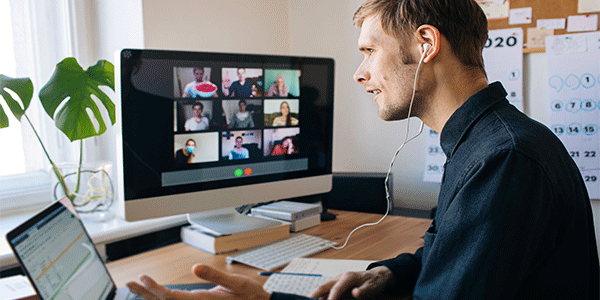
Fifty percent of Americans would prefer to work from home even after the pandemic is over, says a report by Pew Research Center.

The COVID-19 pandemic has increased the need for support, communication and flexibility from employers.
Comfort level is an important variable to address when wearing PPE, especially fall harnesses.
OH&S has been celebrating innovation and products optimized to keep workers safe for over 10 years.
Making a few adjustments can help make your work from home experience more practical and pleasant.
Employee mental health has suffered as the stress caused by the coronavirus pandemic has affected worker’s personal and professional lives.
As countries are slowly starting to go back to the way things were and employees go back to the office, a problem most employers face is how to deal with their employees during these difficult times.
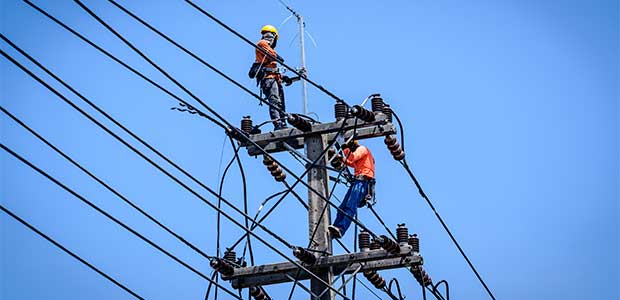
The Faces of Fire/Electrical Campaign has, so far, featured interviews with two real electrical utility workers who were injured on the job.

Teaching, an already stressful occupation, has gotten more difficult as classrooms fill up with students for the fall semester.
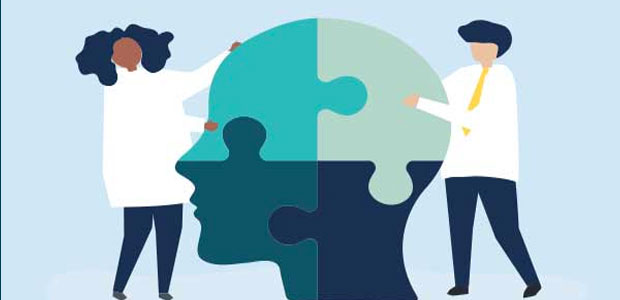
The University of Connecticut’s Journal of Occupational and Environmental Medicine found that employee mental health has declined since the onset of the pandemic.
The safety industry continues to see developments in innovation and technology despite no trade shows to show off new products in person.

Artificial intelligence will offer ergonomic assessments to employers.
The new panel will provide feedback on issues like driver safety.
Episode 27
In this mini episode of the podcast, Editor Sydny Shepard shares the top headlines for the week, including OSHA's final rule on cranes, new coronavirus citations for a New Jersey medical center and three tips to cultivating better mental and physical health for your employees.
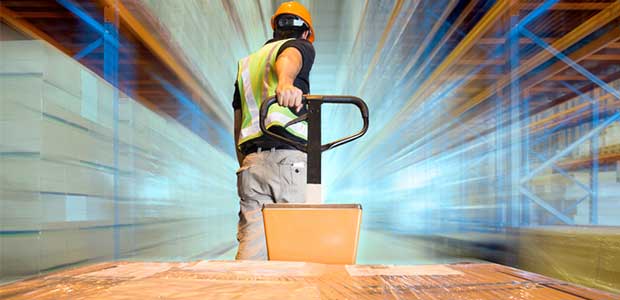
As standard operations and the pace of production starts to revert to normal, both employers and employees must consider the possibility of physical deconditioning.
The use of wearable technology has opened a new era in ergonomics, and it is a game changer for risk assessments.
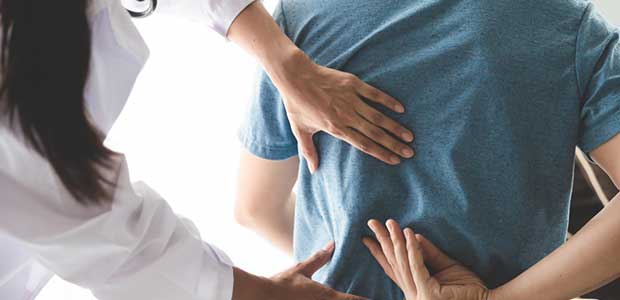
On-site clinics are increasingly popular in workplaces, and for good reason. Not only do employees need to monitor their physical and ergonomic health, employers save money by protecting their workers.

Facilitating an effective and sustainable ergonomics process does not have to be pen-and-paper, old-fashioned and outdated.
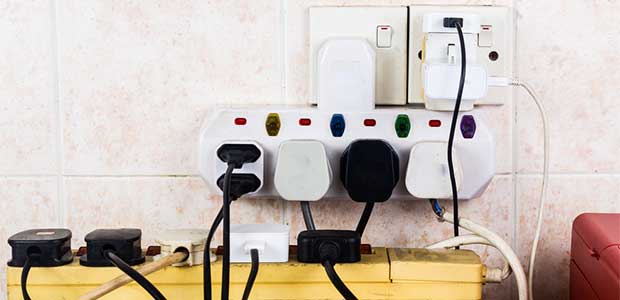
Although staff no longer must make the commute into the office, safety hazards can and do still exist in the home. Here's your WFH safety checklist.
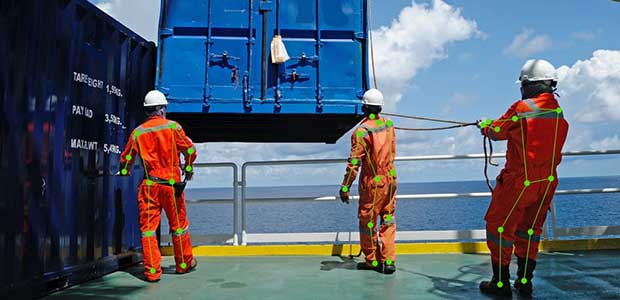
With the use of AI-driven (Artificially Intelligent) algorithms, the pressure of personal worker safety is relieved from organizations and transferred to individuals. Workers are empowered by using personalised feedback and learning about their actions.