The goal is to measure the performance of the planes' radar-operator systems in a realistic scenario using 40- to 60-foot long commercial fishing vessels underway in the fishing grounds off the New England coast.
Two years in prison and three years of supervised release, plus $94,222 in restitution, was the sentence issued by a Houston judge this week.
The July 15 event in Oak Brook was co-sponsored by the Illinois Department of Public Health and the Illinois Public Health Association.
Released June 29, EPA's list of 44 ponds nationwide that are assigned a high hazard potential rating, meaning a failure probably would cause fatalities, included 12 North Carolina sites -- the most of any state.
The National Emergency Grant funds will increase the overall approved number of participants in the temporary work program from 600 to 767 and extend the project through Dec. 31, 2009.
The American public's concern about potentially pandemic influenza A(H1N1) waned in early May as schools in some affected states reopened and Mexico appeared to have its outbreak in hand. The number of confirmed cases and countries in which they were found continued to rise steadily, however, primarily in the Americas and Europe, the World Health Organization reported.
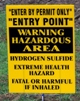
With rigs in use in many non-traditional areas, emergency responders and company health and safety professionals must work together.
Whether in the public or private sector, risk managers with limited resources are constantly faced with the challenge of prioritizing competing concerns, managing the desire to take all possible steps to protect the organization and its employees. In today's economic climate, shrinking budgets are the norm, and securing funding for things like emergency preparedness can be difficult.
The agency wants comments by Aug. 4 on how it should write a rule that will require accidental chemical releases to be reported to it or to the National Response Center.
An enhanced wind shear across the tropical Pacific coupled with relatively cool temperatures in the Atlantic "will almost certainly result in a less-active season than last year, and could potentially result in an unusually quiet season," said WSI seasonal forecaster Dr. Todd Crawford.
In general, the public assumes that when “9-1-1” is dialed—whether from a wireline, VoIP, or wireless phone—the location information will be transmitted to the correct public safety answering point, but because of an aging infrastructure designed for wireline use in the 1970s, E911 coverage is inadequate for many of today’s commonly used communication technologies.
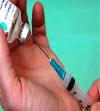
Christopher A. Viehbacher, Chief Executive Officer of sanofi-aventis, a leading global pharmaceutical company, declared at the June 17 opening session of the Pacific Health Summit in Seattle that the company will donate 100 million doses of the novel A(H1N1) influenza strain the World Health Organization (WHO).

Michael D. Brown also will be speaking on themes of Communicating in a Crisis and Making Things Work When All the Wires Are Cut in his general session keynote at the Alliance of Hazardous Materials Professionals National Conference in September.
"While we share the goal of establishing permanent chemical security regulations, we are concerned several provisions in the legislation as introduced could undermine the important work that is already underway," said Marty Durbin, American Chemistry Council vice president of federal affairs.
"These grants provide direct support for regional preparedness, urban security, and medical response efforts in communities across the country," said DHS Secretary Janet Napolitano on Tuesday.
Widespread climate impacts are already occurring and affecting water, energy, and transportation, the government's new report states.
"When did you first learn about the swine flu outbreak? Have you searched the Internet for additional information on the swine flu outbreak? If a vaccine for swine flu became available, would you want to be vaccinated?"
These questions first appeared on Facebook on Saturday, April 25, just a day or two after concerns of H1N1, or swine flu, swept across the country.
The pandemic flu session will focus on industry approaches toward interactions with FDA, and the latest biochemical methods for the development of vaccines.
In its examination of how US Airways Flight 1549 was able to avoid tragedy after striking geese and safely ditching in the Hudson River on Jan. 15, the hearing will focus in part on developments in technologies such as radar for bird tracking.

In an address to the New Jersey Motorcoach Association, NTSB Acting Chairman Mark V. Rosenker called on the motorcoach industry to voluntarily move toward fleets equipped with lap/shoulder belts.