
A cross-sector aviation forum gathered in D.C. to address ramp worker safety hazards and explore collaborative safety solutions.

To better serve communities nationwide, NFPA has expanded its regional team to provide enhanced support for fire, life, and electrical safety initiatives.

ASSP has released a new report capturing insights from industry leaders to help guide strategic improvements in workplace safety across various industries.

Workers in high-risk work environments need to feel confident their flame-resistant clothing will also help them be seen by others.

The Safety Days return April 2-3, providing industry professionals with essential training on workplace safety and best practices.
Expert Dennis Terpin discusses the various respiratory issues involved in disaster response and the key components of a respiratory protection program in disaster scenarios.
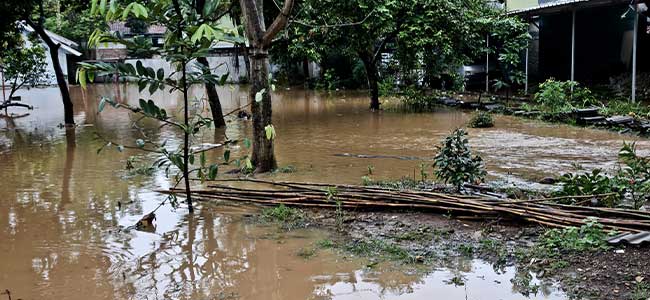
Flood recovery presents hazards such as power loss, water accumulation and saturation of building materials and electrical components.

The virtual event will focus on post-pandemic workplace safety.
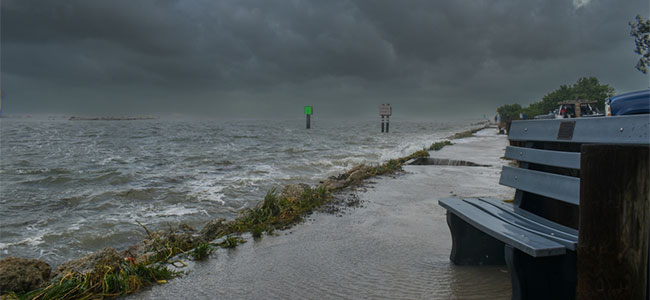
The agency is prioritizing on-site support in Florida's hardest-hit areas.
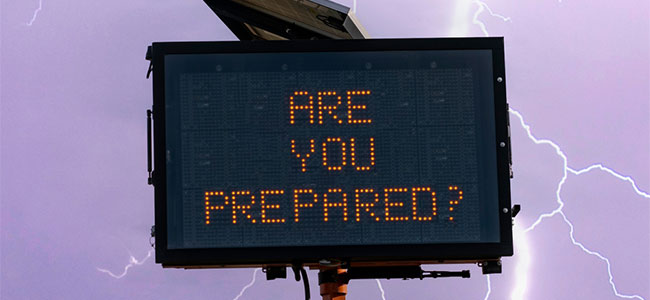
Getting ahead of something as unpredictable as severe weather can seem an impossible challenge, but understanding the four pillars of an effective response plan can help managers ensure workers stay safe and healthy no matter what's on the forecast.
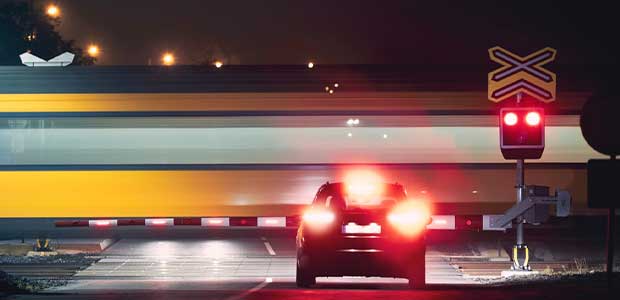
Nonprofit Operation Lifesaver, Inc., published PSAs about train and rail safety.
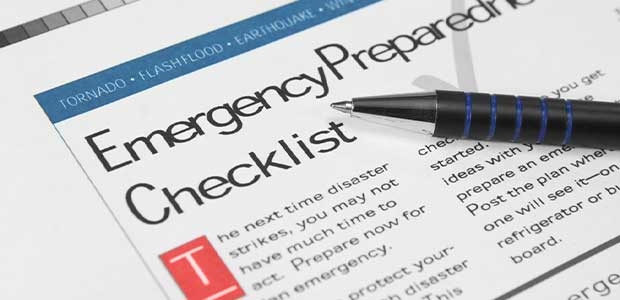
Having an emergency response plan and training employees on the plan is one of the ways employers can help save lives.
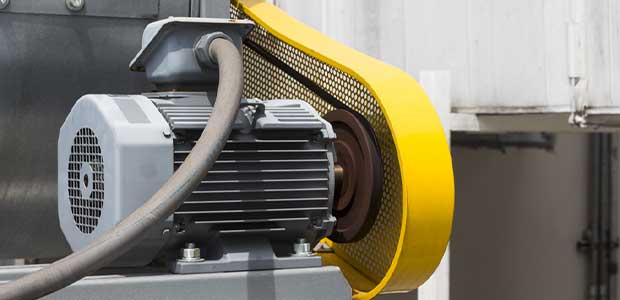
The company was cited for serious and repeat violations.

OSHA is taking steps now to help companies reduce heat illness.

Injuries and deaths from combustible dust are preventable. Follow OSHA’s guidelines on mitigating these hazards.
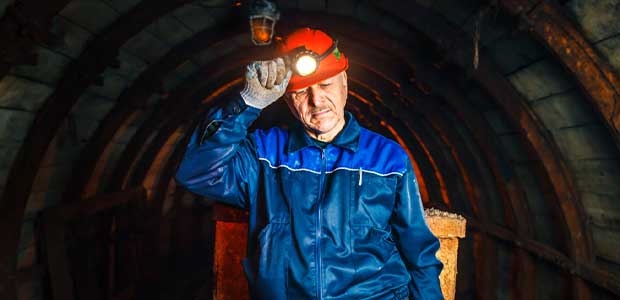
Up to $1,00,000 will be given out under the Brookwood-Sago grant program.

Slips, trips and falls lead to thousands of injuries every year. Learn how to prevent them to improve worker safety.
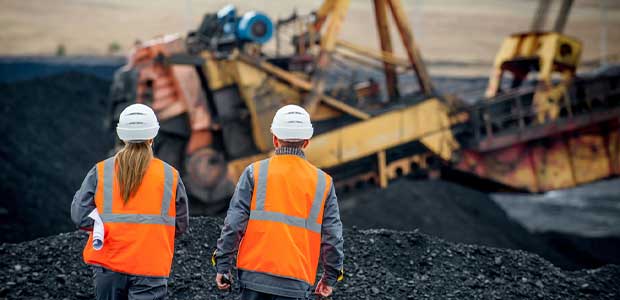
The program includes additional steps to help protect miners from silica exposure.

These blind spots can pose risk to workers.

OSHA said these exits were locked or blocked at two locations.