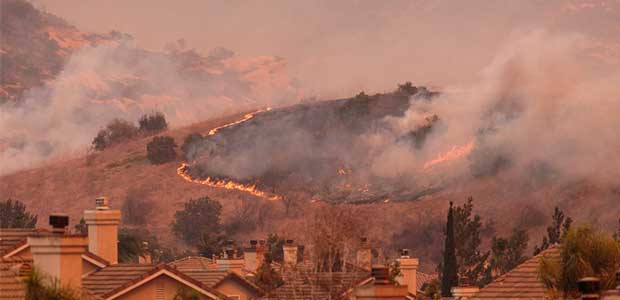
Employers must quickly adopt the new requirements in early August.

In May, an Iowa worker fell 1,000 feet from a television antenna tower and died. Further investigation showed he was not wearing available fall protection equipment. The employer now faces two serious violations, including inadequate strength in a protection attachment.

New advanced technology informs a healthcare provider whether surgical procedures are necessary or if wounds will heal with other non-surgical treatment.

A report by the Health and Safety executive shows that self-employed workers in the Agricultural and Construction sectors were the most prone to fatal injuries in the 2018-2019 year.

Self-guided bulldozers and mining trucks are being developed with advanced artificial intelligence to prevent equipment from colliding with human workers.

Workers are now protected from ‘adverse employment action’ for being medical marijuana users, but employers can prohibit cannabis use at the workplace.

A hard hat is designed to protect from impacts that could damage the brain, so take its upkeep seriously.

Training provided to workers must cover the physical and health hazards of chemicals in the work area and measures workers can take to protect themselves.

Include it in all of your safety topics . . . first aid, chemicals, materials handling. Do whatever is needed to ensure a working, well-documented, accurate program.

Robotic hydrodemolition helps to simplify bridge repair.

Mindlessness is habitual, automatic, repetitive behavior generally brought on by multi-tasking. It can directly impact an individual's overall wellness, stress level, listening skills, injury risk and safety, and more.
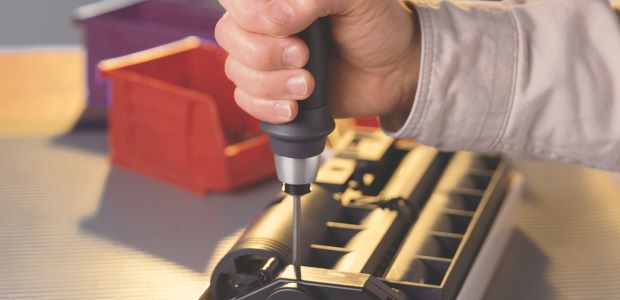
Tool manufacturers are improving all aspects of their tools, including the shape, size, weight, balance, torque, vibration, speed, and noise.

Today's safety professionals have more data at their fingertips than ever before, but simple hand lacerations continue to plague work sites, creating mountains of paperwork and productivity delays.

Utility workers need garments that not only provide protection from arc hazards and foul weather, but also ensure that they can be seen by others, reducing the risk of visibility-related workplace accidents.

Today's welding helmets and PAPR advancements mean that the prospect for worker safety is brighter than ever.
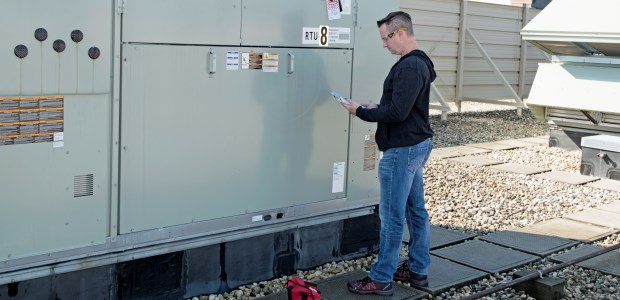
Clear, systemized safety procedures and good practices will keep your patients and employees safe with fewer accidents.

Once a space is designated a permit-required confined space, it engages an extra level of planning and preparation to mitigate the potential hazards.