
Understanding 1926.1153 Respirable Crystalline Silica for Construction.

A well-designed electrical safety PPE program can help mitigate injuries in the event of an arc flash.

How to ensure your employees don’t become statistics.

New gas detection solution combines wireless and fixed elements, allowing technicians to work from the safety of ground level to maintain gas detectors and create compliance reports on the fly.
It’s no surprise that safety leaders have to deal with many issues simultaneously.

Incorporating incidental spill response techniques into hazard communication training helps to keep employees safe during response.
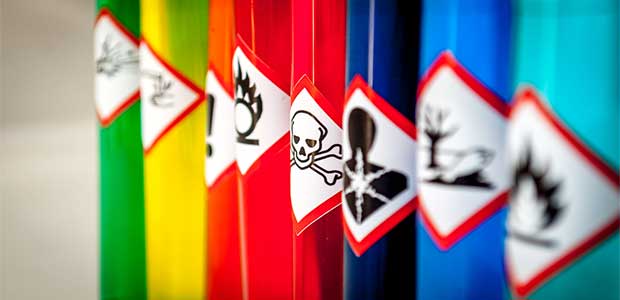
How to evaluate and improve program effectiveness.

The importance of implementing loss prevention and mitigation techniques that are specifically written for the chemical processing industry.

Is a business’ safety culture a success if it simply follows the letter of the law and avoids government fines?

For facility operations managers, starting a 5S lean manufacturing program can reduce waste and optimize productivity through better workplace organization.

SPONSORED
Following the regulations and staying in compliance are important, but we know you want to go beyond minimum requirements to keep your employees safe. Some regulations have numerous training and employee information requirements, while others have none. Are you covering everything? And what does it take to go above what’s required?

Here’s how to keep your workforce humming during peak holiday seasons.

No matter how effective your personal hygiene standards are, a single person in your place of work can cause illness.

If your facility handles, transfers, packages or processes dust-producing materials or powders, you could face an explosion risk from combustible dust.

Until now, not much research had been done to find the best CPR methods from data that accounted for both compression rate and chest depth. Now, new data gives some exciting new answers.
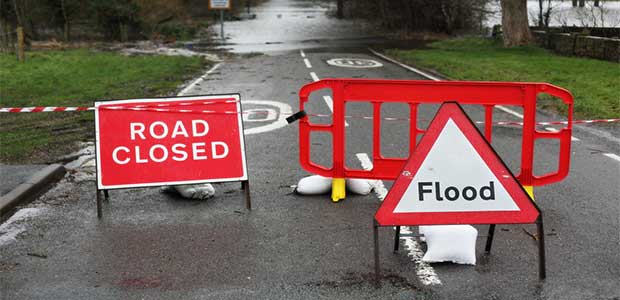
Severe weather can have hazardous effects on all facets of our lives: homes, transportation, and livelihood. OSHA and NOAA are working on a public education effort to help people stay safe during severe weather.

An $805 million contract allowed Boeing to design the Navy’s first operational carrier-based unmanned aircraft. Now, it’s built and ready.